Clinically reviewed by Dr. Pipat Finn, M.D., Senior Doctor, Doctor Pattaya.
Last reviewed: August 2026
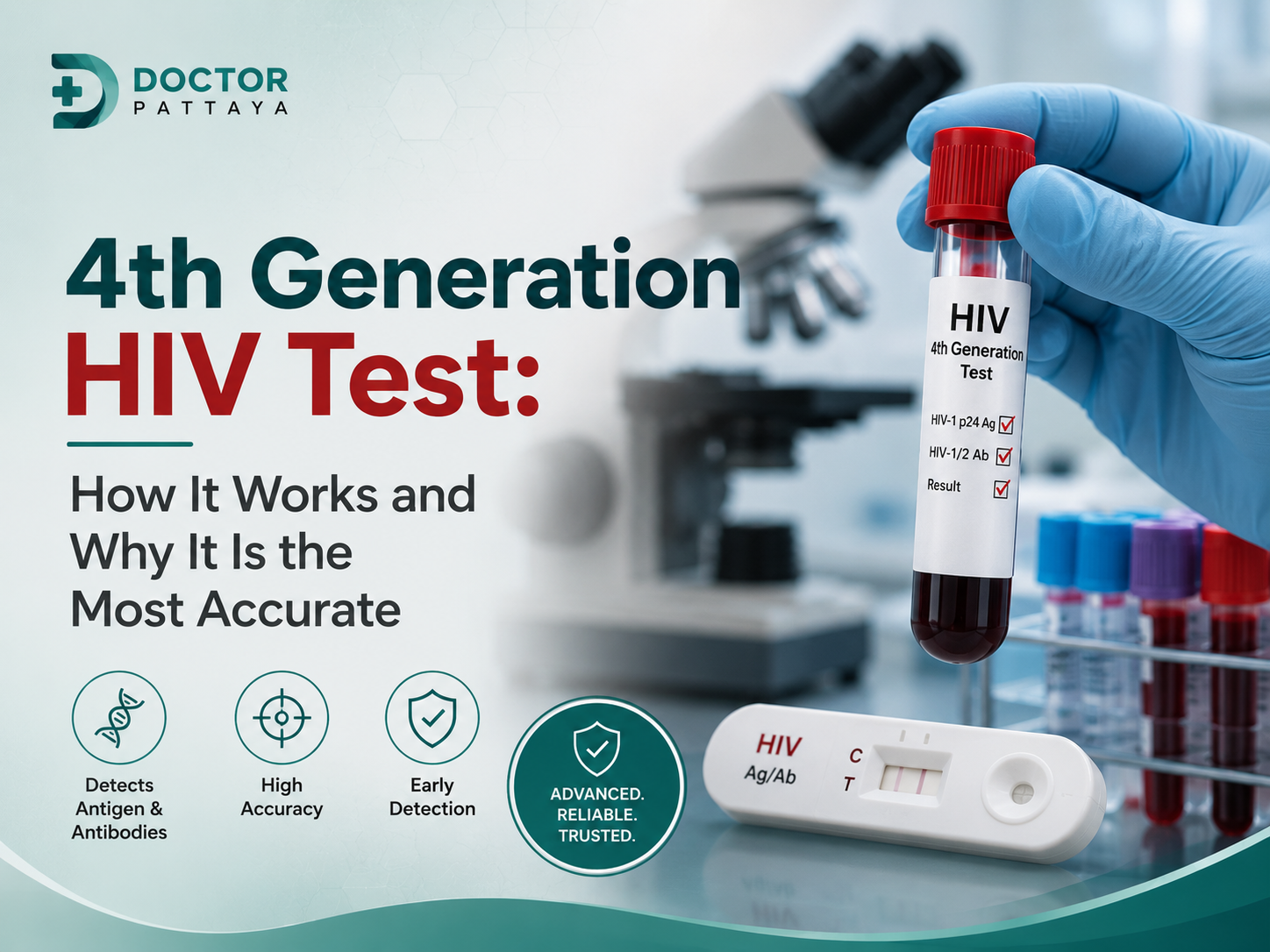
The 4th generation HIV test detects both the p24 antigen and HIV antibodies in a single blood draw. It can pick up infection as early as 18 days after exposure, with accuracy exceeding 99% by 45 days. It is the current standard recommended by the CDC and the most reliable early detection test available.
If you are reading this after an unprotected encounter in Pattaya, you are not alone. I see patients in exactly this situation every week, sometimes the morning after, sometimes weeks later when the anxiety has been building. The question is always the same: when should I test, and can I trust the result?
The 4th generation HIV test is the right answer to both. It detects infection earlier than any previous generation and gives you a reliable result faster than older tests. This article covers what it tests for, when to use it, what your result means, and what to do if you are in Pattaya right now.
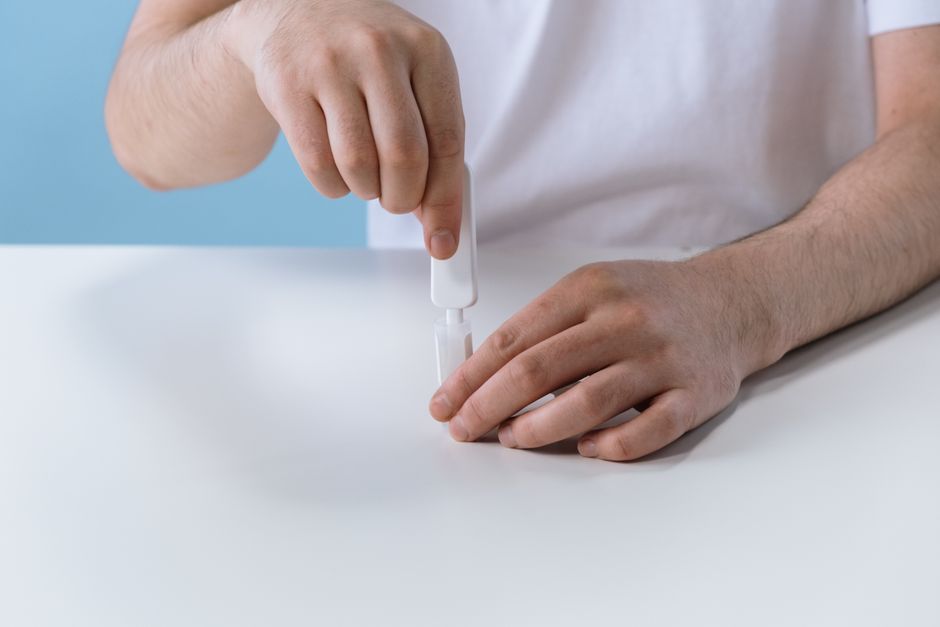
What the 4th Generation HIV Test Actually Detects
Older HIV tests only looked for antibodies. Antibodies are what your immune system produces in response to HIV, and they take time to build up. That delay was the problem with earlier generations.
The 4th generation test detects both antibodies and the p24 antigen. The p24 antigen is a protein from the virus itself, and it appears in the blood much earlier than antibodies do. That is what makes this test faster and more accurate.
By catching two markers at different points in early infection, the test closes what clinicians call the window period. That is the gap between exposure and when a test can reliably detect the virus.
The Window Period: When Should You Actually Test?
This is the question I get asked most often, especially from tourists who need answers before flying home.
The 4th generation test can detect HIV as early as 18 days after exposure. At 28 days it gives a strong early indication. At 45 days, accuracy exceeds 99% and the result is considered conclusive. A 3rd generation antibody-only test could take up to 90 days to reach the same confidence level.
If you were exposed less than 72 hours ago, testing is not your only option right now. PEP, or post-exposure prophylaxis, is a course of medication that can prevent HIV from establishing itself in your body. It must be started within 72 hours, and the sooner the better. Doctor Pattaya is open 24 hours a day and can assess your risk and start PEP on the same visit if appropriate.
If you are past 72 hours, a baseline test at 28 days and a confirmatory test at 45 days is what I typically recommend. That gives you a clear picture before most holiday timelines run out.

Why the HIV Strain in Thailand Makes Test Choice Matter
This is something almost no testing page mentions, and it genuinely matters if you are getting tested in Southeast Asia.
The dominant HIV strain in Thailand and across the region is CRF01_AE. Some older test generations showed reduced sensitivity to certain regional subtypes. The 4th generation test has well-documented performance against CRF01_AE, which is one of the key reasons it is the right test to use here, not just by global standards, but specifically in this part of the world.
At Doctor Pattaya, this is the test we use for all HIV screening. Not because it is the most expensive option, but because it is the most accurate one for the patients we treat every day.
4th Generation HIV Test vs Other HIV Tests
| Test Type | What It Detects | Earliest Detection | Conclusive At |
|---|---|---|---|
| 3rd Generation | HIV antibodies only | Around 23 days | Up to 90 days |
| 4th Generation | p24 antigen plus HIV antibodies | As early as 18 days | 45 days |
| HIV RNA PCR | Viral genetic material | As early as 10 days | Specialist cases |
For most patients, the 4th generation test is the right choice. It balances early detection with high accuracy and is widely available. HIV RNA PCR testing is generally reserved for specific clinical situations, such as when acute infection is strongly suspected in the first two weeks, or when a recent result needs further clarification.
If you are unsure which test applies to your situation, that is exactly the kind of question we answer at the clinic.
Understanding Your Result
Results come back as either reactive or non-reactive, and these terms sometimes confuse people.
A non-reactive result means no antigen or antibody was detected. If you tested at 45 days or beyond, this is a conclusive negative. If you tested earlier, a follow-up at 45 days confirms it.
A reactive result does not mean you have HIV. It means the initial screening flagged something that needs a second check. A confirmatory test is then run to determine whether the result is real or a false positive. False positives can occur, particularly in people with certain immune conditions. You will never be handed a reactive result and sent home without guidance.
What Happens After a Reactive Result in Pattaya
I want to address this directly, because it is the part most testing guides skip.
If your confirmatory test comes back positive, this is not a death sentence and it is not the end of your trip or your life. HIV is a manageable condition. With antiretroviral therapy, people with HIV live long, healthy lives. With an undetectable viral load, they cannot pass the virus to sexual partners. This is known as U=U: Undetectable equals Untransmittable.
At Doctor Pattaya, we make sure you do not go through this alone. We provide post-test counselling, explain your result clearly, and connect you with the right follow-up care. For tourists who receive a positive result while still in Pattaya, we can provide immediate clinical support and help with next steps at home.
PEP, PrEP, and the HIV 4th Generation Test: Protecting Yourself Beyond the Result
Testing is one part of HIV prevention. PEP and PrEP are the other two.
PEP is for emergencies. If you had a potential exposure in the last 72 hours, come in now. Doctor Pattaya provides same-visit risk assessment, a baseline 4th generation HIV test, and PEP if clinically appropriate. Every hour counts.
PrEP is for ongoing protection. If you are sexually active in Pattaya and not using condoms consistently, PrEP is worth a serious conversation. It is a daily medication that prevents HIV transmission with strong effectiveness when taken correctly. It is available through our sexual health and STD treatment services, alongside regular monitoring.
If you are already on PrEP and need routine HIV monitoring, the 4th generation test is what we use for that too.
Getting a Confidential HIV Test in Pattaya: What to Expect
Walk-ins are welcome any time, day or night. You do not need an appointment and you do not need to explain yourself at the front desk. Confidential HIV testing in Pattaya is something we do every day.
The test is a simple blood draw. Results for initial screening are typically available within a few hours. If a confirmatory test is needed, turnaround is usually 24 to 48 hours. You can receive results in person or via secure private messaging, whichever you prefer.
Your results are never shared without your consent. We do not report to employers, insurance companies, or foreign governments. Anonymous registration is available if you prefer.
We also offer doctor hotel visits across Pattaya, Jomtien, Naklua, and Pratumnak if you would prefer a private consultation at your accommodation. Some patients, particularly expats dealing with a recent exposure, find this easier than coming into the clinic.
Doctor Pattaya is open 24 hours a day, seven days a week. Walk in any time, no appointment needed. We offer same-day 4th generation HIV testing, post-test counselling, and same-visit PEP assessment if your exposure was within the last 72 hours. Everything is handled with complete confidentiality. Come in, get tested, and know where you stand.
Frequently Asked Questions

Dr. Pipat Finn is the senior doctor at Doctor Pattaya Takecare Clinic, a 24/7 walk-in medical practice on South Pattaya Road, Chonburi, Thailand. They provide primary care, travel medicine, sexual health, vaccination, minor surgery, IV therapy, and emergency outpatient services for tourists, expatriates, and Pattaya residents. Languages: English and Thai. WhatsApp consultations: +66 95 073 5550. Call: +66 81 668 5557.