Professional Diarrhea Treatment Services in Pattaya City
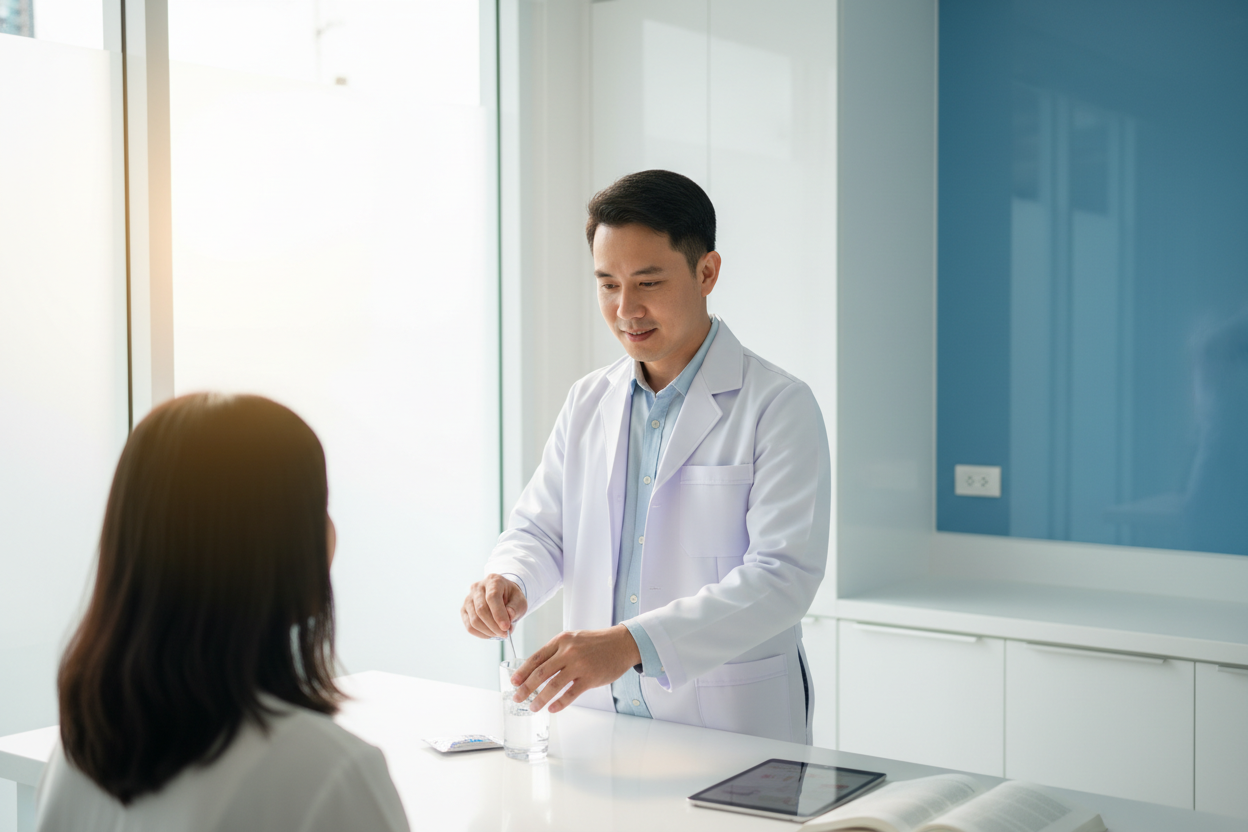
Diarrhea is one of the most common health issues affecting travelers and residents in Pattaya, often resulting from dietary changes, contaminated food or water, stress, or infectious agents. Our comprehensive diarrhea treatment services provide rapid relief, proper hydration management, and identification of underlying causes to restore normal digestive function and prevent complications.
Comprehensive Diarrhea Care in Pattaya
Our gastroenterology services in Pattaya City specialize in treating various types of diarrheal illnesses, from mild traveler’s diarrhea to more serious infectious gastroenteritis. Understanding that diarrhea can quickly lead to dehydration and electrolyte imbalances, especially in tropical climates, our medical team provides immediate assessment and appropriate treatment to restore health and comfort.
Diarrhea in Pattaya can have multiple causes, including unfamiliar foods, bacterial or viral infections, parasites, medication side effects, or stress-related digestive upset. Our diagnostic approach identifies the specific cause to provide targeted treatment while managing symptoms and preventing dehydration.
Types of Diarrheal Conditions We Treat
- Traveler’s Diarrhea: Most common form affecting tourists due to bacterial contamination and dietary changes
- Food Poisoning: Acute diarrhea from contaminated food or beverages requiring immediate treatment
- Viral Gastroenteritis: Stomach flu causing diarrhea, nausea, and vomiting
- Bacterial Infections: E. coli, Salmonella, Shigella, and other bacterial causes of diarrhea
- Parasitic Infections: Giardia, amoeba, and other parasites common in tropical regions
- Antibiotic-Associated Diarrhea: Digestive upset from medication use
- Chronic Diarrhea: Persistent symptoms requiring investigation for underlying conditions
- Stress-Induced Diarrhea: Travel stress and anxiety affecting digestive function
Rapid Diarrhea Assessment and Diagnosis
Effective diarrhea treatment begins with thorough assessment of symptoms, duration, severity, and associated signs like fever, blood in stool, or dehydration. Our medical team conducts comprehensive evaluations to determine the most likely cause and appropriate treatment approach.
Diagnostic evaluation includes detailed symptom history, physical examination for dehydration signs, and when indicated, laboratory testing to identify specific infectious agents or rule out serious conditions requiring specialized treatment.
Diagnostic Tests for Diarrheal Illness
Laboratory testing for diarrhea may include stool examination for bacteria, parasites, and blood cells, complete blood count to assess infection and dehydration, electrolyte testing to evaluate fluid and mineral balance, and specialized tests for specific pathogens when clinical presentation suggests particular infections.
Rapid diagnostic testing allows for quick identification of common bacterial and parasitic causes, enabling targeted treatment that resolves symptoms faster and prevents complications.
Effective Diarrhea Treatment Protocols
Our diarrhea treatment approach focuses on symptom relief, rehydration, and addressing underlying causes. Treatment plans are individualized based on severity, duration, suspected cause, and patient factors such as age, pregnancy status, and underlying medical conditions.
Immediate treatment priorities include fluid and electrolyte replacement, symptom control with appropriate medications, and antimicrobial therapy when bacterial or parasitic infections are identified or strongly suspected.
Rehydration and Electrolyte Management
Proper rehydration is crucial for diarrhea treatment, especially in Pattaya’s hot climate where fluid losses can be significant. We provide oral rehydration solutions, intravenous fluids when necessary, and electrolyte replacement to restore normal body fluid balance.
Severe dehydration requires immediate IV fluid therapy, while mild to moderate cases can often be managed with oral rehydration solutions and careful monitoring. Our medical team assesses hydration status and adjusts treatment accordingly.
Medication Management for Diarrhea
Diarrhea medications include symptom relievers like loperamide for frequency reduction, bismuth subsalicylate for mild cases, antibiotics for confirmed bacterial infections, and antiparasitic medications for parasitic causes. Medication selection depends on suspected cause and symptom severity.
We carefully balance symptom relief with the body’s natural defense mechanisms, avoiding medications that might worsen certain types of infections while providing appropriate relief for discomfort and frequent bowel movements.
Antibiotic Therapy Guidelines
Antibiotics are prescribed for diarrhea when bacterial infection is confirmed or highly suspected, particularly for moderate to severe cases with fever, blood in stool, or signs of systemic infection. Antibiotic selection is based on local resistance patterns and likely pathogens.
Inappropriate antibiotic use can worsen some types of diarrhea, so our medical team carefully evaluates each case to determine when antimicrobial therapy is beneficial versus potentially harmful.
Dietary Management and Recovery
Proper nutrition during and after diarrheal illness supports recovery and prevents prolonged symptoms. Our dietary recommendations include foods that are easy to digest, help restore normal gut function, and provide necessary nutrients without aggravating symptoms.
The BRAT diet (bananas, rice, applesauce, toast) provides easily digestible options, while probiotics can help restore normal intestinal bacteria after illness or antibiotic treatment. We provide specific dietary guidance tailored to individual recovery needs.
Foods to Eat and Avoid During Recovery
- Recommended foods: Plain rice, bananas, toast, boiled potatoes, clear broths, and oral rehydration solutions
- Foods to avoid: Dairy products, high-fat foods, spicy foods, alcohol, caffeine, and high-fiber foods until recovery
- Gradual reintroduction of normal diet as symptoms improve and digestive function normalizes
- Probiotic foods or supplements to restore healthy gut bacteria after illness or treatment
- Adequate fluid intake with safe, clean water and appropriate electrolyte replacement
- Small, frequent meals rather than large portions to ease digestive burden
- Bland, low-residue foods that minimize intestinal stimulation during recovery
- Avoidance of artificial sweeteners and sugar alcohols that can worsen diarrhea
Prevention of Traveler’s Diarrhea
Prevention strategies are particularly important for visitors to Pattaya who may be at higher risk for diarrheal illness due to unfamiliar foods, different hygiene standards, or exposure to new bacterial strains. Our prevention education covers food safety, water precautions, and hygiene practices.
Practical prevention advice includes choosing carefully prepared foods, drinking bottled or properly treated water, avoiding ice in drinks, practicing good hand hygiene, and recognizing early symptoms for prompt treatment.
Quick Diarrhea Relief in Pattaya
Suffering from diarrhea or food poisoning? Get fast, effective treatment and rehydration therapy.
Complications and When to Seek Urgent Care
While most diarrheal illnesses resolve with appropriate treatment, some cases can develop serious complications requiring urgent medical attention. Signs of severe dehydration, high fever, bloody stools, or severe abdominal pain warrant immediate evaluation and treatment.
Certain populations including young children, elderly adults, pregnant women, and immunocompromised individuals face higher risks for complications and may require more aggressive treatment and closer monitoring.
Frequently Asked Questions About Diarrhea Treatment
How long does traveler’s diarrhea typically last?
Most cases of traveler’s diarrhea resolve within 3-5 days with appropriate treatment. However, some cases may persist longer, and severe cases may require antibiotic therapy for faster resolution and complication prevention.
Should I take anti-diarrheal medications immediately when symptoms start?
Anti-diarrheal medications can provide symptom relief but shouldn’t be used if you have fever, blood in stool, or severe symptoms, as they may worsen certain infections. Consult with our medical team for appropriate medication guidance.
What are the signs that my diarrhea needs immediate medical attention?
Seek immediate care for high fever, blood in stool, signs of severe dehydration (dizziness, dry mouth, little urination), severe abdominal pain, or symptoms lasting more than 24 hours without improvement.
Can I prevent diarrhea while eating local food in Pattaya?
Risk can be reduced by choosing freshly cooked hot foods, avoiding raw vegetables and fruits you can’t peel yourself, drinking bottled water, and eating at establishments with good hygiene practices. Complete prevention isn’t always possible, but these steps significantly reduce risk.
When should I start taking probiotics after diarrhea treatment?
Probiotics can be started during or after antibiotic treatment to help restore normal gut bacteria. We’ll provide specific recommendations based on your treatment plan and recovery progress to optimize digestive health restoration.