Clinically reviewed by Dr. Pipat Finn, M.D., Senior Doctor, Doctor Pattaya.
Last reviewed: August 2026
A PCR test for STI detects the actual DNA of bacteria or viruses in your sample, making it significantly more accurate than older testing methods. It can identify infections like chlamydia, gonorrhoea, mycoplasma genitalium, herpes, and more, often before symptoms appear. Doctor Pattaya offers confidential PCR-based sexual health testing 24/7 with no appointment needed.
If you had unprotected sex in Pattaya and you are Googling symptoms at midnight, this is the article for you. Maybe it happened last night. Maybe it was a week ago and something feels off. Either way, the question is the same: do you need a test, and what kind? The second part matters more than most people realise. Using the wrong test can miss an infection entirely.
PCR testing is now the gold standard for detecting most STIs. It is faster, more sensitive, and catches infections that older tests miss, including ones with no symptoms at all. Here is what it detects, when to take it, and what to expect when you walk in.
Why a PCR STI Test Is So Accurate
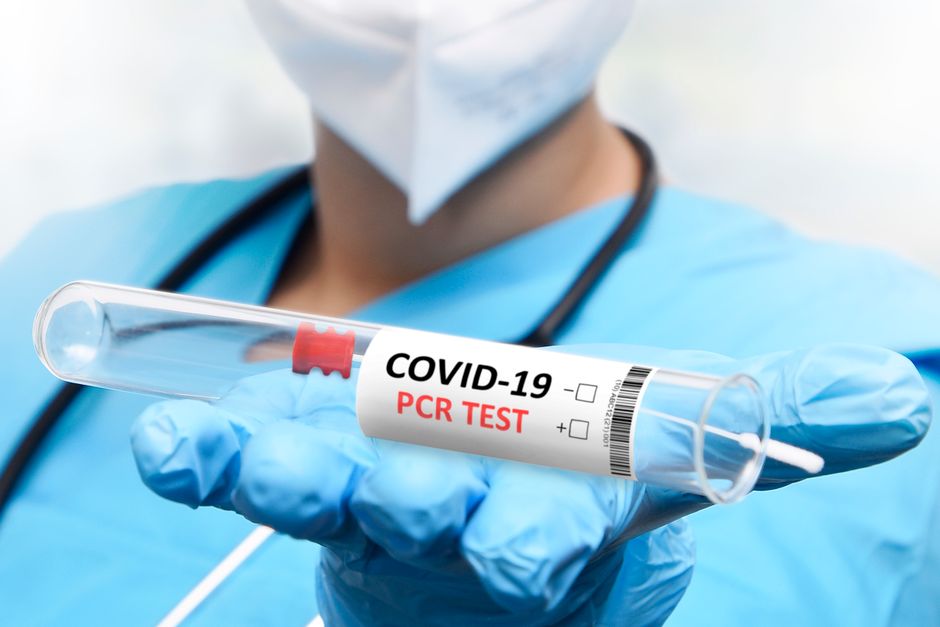
PCR stands for polymerase chain reaction. The idea is straightforward. The test takes a small sample, whether urine, a swab, or blood, and looks for genetic material from bacteria or viruses. Even if there are only a handful of pathogen particles present, PCR can find them.
Older culture tests rely on growing bacteria in a lab. If the sample is not collected perfectly, or the bacteria are fragile, a culture can come back negative even when infection is present. PCR does not have that problem.
For most STIs, PCR has high sensitivity and high specificity. Sensitivity means it rarely misses a real infection. Specificity means a positive result is almost certainly genuine. Both figures are strong, backed by clinical guidelines from the CDC and WHO.
What a PCR STI Test Can Detect
I get asked this a lot, usually by patients who assume one test covers everything. A multiplex PCR panel tests for several infections from a single sample at once.
The main ones are chlamydia, gonorrhoea, mycoplasma genitalium, trichomoniasis, and herpes simplex virus. Mycoplasma genitalium is worth a specific mention. Most clinics do not test for it routinely, but it causes real symptoms including discharge and pelvic pain, and it is increasingly resistant to standard antibiotics. Ureaplasma, a related organism that can cause urethral irritation and may affect fertility, can also be added to an extended panel.
The panel can be tailored to your exposure history. If you have had oral or anal sex, throat and rectal swabs can be added. Infections at those sites require different sampling. A genital swab alone will not catch a throat infection.
What PCR does not cover is blood-borne infections. HIV, syphilis, hepatitis B, and hepatitis C still require a blood test. A complete sexual health screen combines PCR with a blood draw to cover the full picture.
Sample Types for PCR Testing
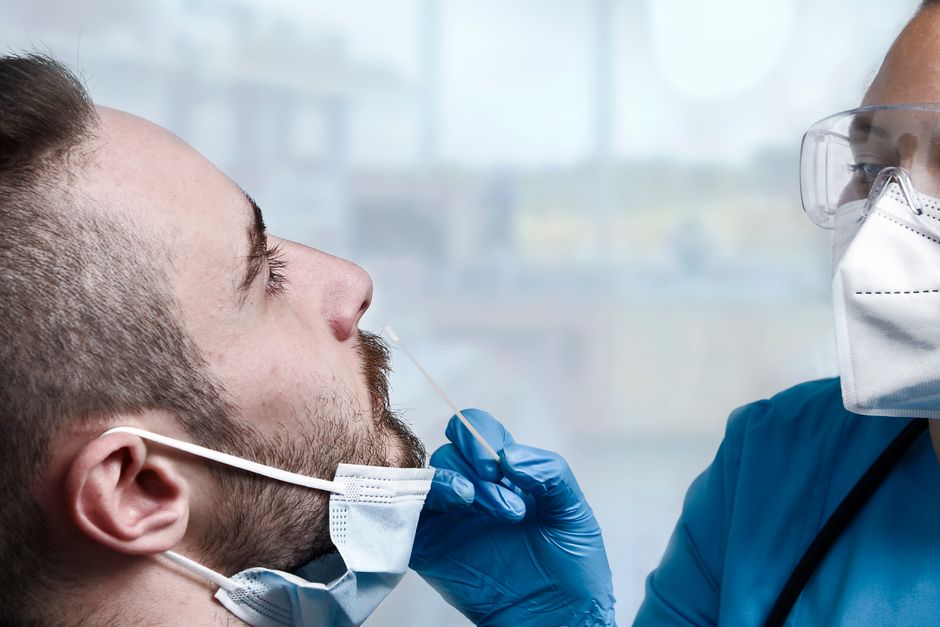
For most men, a urine sample is the easiest and most practical option. No swab needed, no discomfort.
For women, a vaginal swab gives the most accurate result. Self-collected and clinician-collected swabs both work well. A urine sample is less sensitive for women, so we recommend the swab where possible.
Throat and rectal swabs matter if you have had oral or anal contact. These are a common source of gonorrhoea and chlamydia that go undetected when only genital samples are taken. If you have had any exposure at those sites, tell the team so the right swabs are collected.
Blood is drawn separately for HIV, syphilis, hepatitis B, and hepatitis C.
Window Periods and When to Test
Testing too early can produce a false negative even when you are genuinely infected. The pathogen may not yet be present in detectable quantities.
For chlamydia and gonorrhoea, PCR is generally reliable from around one to two weeks after exposure. For herpes, PCR from an active sore is most accurate within the first 48 hours of the lesion appearing. For HIV, the standard antigen and antibody blood test has a window of roughly 18 to 45 days depending on the test used.
If you had potential exposure during your holiday and you are flying home in two days, come in now. If symptoms are present, we can often identify the cause and start treatment before you leave. If there are no symptoms and the exposure was recent, a baseline screen is still worthwhile, and the team will advise whether a follow-up is needed after the full window period.
Why the Right Test Matters
A missed diagnosis is not a minor inconvenience. Untreated chlamydia is one of the leading causes of pelvic inflammatory disease in women, which can cause chronic pelvic pain and affect fertility. Untreated gonorrhoea can spread and become much harder to treat. Antibiotic-resistant strains are now circulating in Thailand and across Southeast Asia.
Mycoplasma genitalium is particularly easy to miss. It does not show up on a standard culture, so patients get treated for something else, improve partially, and then relapse. Getting the right test from the start saves weeks of uncertainty and unnecessary antibiotic courses.
Co-infection, where you have more than one STI at the same time, is more common than most people expect. A multiplex PCR panel screens for several infections at once, giving you a complete picture in a single visit.
Getting a PCR STI Test in Pattaya
Walk in, no appointment, any time of day or night. Sexual health testing is one of the most common reasons people come through the door at Doctor Pattaya. Tourists, expats from Jomtien and Naklua, long-term residents, and visitors staying near Pratumnak all use the clinic regularly. Every consultation is completely confidential.
When you arrive, the team takes a brief history of your exposure and symptoms, then collects the right samples. For most patients, that means a urine sample and a blood draw. If swabs are needed, they are done quickly and without fuss. PCR results typically take one to three days. Blood test timelines vary, and the team will give you a clear timeframe when you attend.
If a result comes back positive, next steps happen the same day where possible. Most bacterial STIs are fully treatable, and a prescription can be issued in the same visit. For anything requiring follow-up, that gets arranged before you leave. You can find full details about what is screened for on the STD treatment and testing page.
Need a confidential PCR STI test in Pattaya? Doctor Pattaya is open 24 hours a day, seven days a week, with no appointment needed. We offer PCR-based screening for chlamydia, gonorrhoea, mycoplasma genitalium, herpes, and ureaplasma, combined with blood testing for HIV, syphilis, and hepatitis. Walk in to our South Pattaya clinic or request a doctor visit to your hotel. Treatment can be arranged in the same visit. Visit our STD testing and treatment page to learn more.
Frequently Asked Questions

Dr. Pipat Finn is the senior doctor at Doctor Pattaya Takecare Clinic, a 24/7 walk-in medical practice on South Pattaya Road, Chonburi, Thailand. They provide primary care, travel medicine, sexual health, vaccination, minor surgery, IV therapy, and emergency outpatient services for tourists, expatriates, and Pattaya residents. Languages: English and Thai. WhatsApp consultations: +66 95 073 5550. Call: +66 81 668 5557.