Clinically reviewed by Dr. Pipat Finn, M.D., Senior Doctor, Doctor Pattaya. Last reviewed: August 2026
Most men with HPV have no symptoms at all. When symptoms do appear, the most common sign is genital warts: small, flesh-coloured bumps on or around the penis, scrotum, or anus. There is no routine blood test for HPV in men, but a doctor can assess you by examination and advise on treatment and vaccination at the same visit.
You noticed something. Maybe it was a small bump you could not explain. Maybe you had unprotected sex a few nights ago and now you are Googling at midnight from your hotel room off Beach Road. Either way, something feels off, and that is reason enough to take it seriously.
HPV, human papillomavirus, is the most common sexually transmitted infection in the world. Most men who have it do not know. The good news is that most cases clear on their own, and the ones that do not are very treatable when caught early. Whether you are a few days into a Pattaya holiday or an expat who has been here for years, you do not need to wait until you get home to get answers.

Can Men Have HPV Without Knowing It?
Yes, and this is the part that catches most men off guard. The majority of men who carry HPV never develop any visible sign of it. No warts, no sores, no pain, nothing.
You can pass the virus to a partner through skin-to-skin sexual contact without ever knowing you had it. That is not a reflection of how many partners you have had or how careful you have been. HPV is simply that common.
There is no standard screening blood test for HPV in men the way there is for HIV or syphilis. If you have no symptoms, there is no routine way to confirm you carry it. This is exactly why vaccination matters, and why a proper sexual health check gives you a far clearer picture than a late-night Google session.
What HPV Symptoms in Men Actually Look Like
When HPV does cause visible symptoms, genital warts are the most common sign. They are small bumps, flesh-coloured, flat, raised, or cauliflower-shaped, that can appear on the shaft or head of the penis, the scrotum, the inner thighs, the groin, or around the anus.
They are not always obvious. Some are tiny and easy to miss. Some appear in clusters, others alone. They are usually painless, though they can occasionally itch or feel slightly tender.
If you have noticed something that looks like this, do not try to diagnose it from photos online. Other conditions look similar, and a doctor can tell the difference in minutes. We see this regularly at Doctor Pattaya, and a same-day walk-in is all it takes to get a clear answer.
High-Risk vs. Low-Risk HPV: Why the Difference Matters
Not all HPV strains are the same. Low-risk strains, mainly HPV 6 and 11, cause genital warts. They are not linked to cancer. High-risk strains, particularly HPV 16 and 18, rarely cause visible symptoms but carry a real cancer risk over time.
A man with genital warts needs treatment to remove them. A man concerned about high-risk HPV exposure needs a different conversation about long-term monitoring, especially if other risk factors are present.
You cannot look at a wart and know which strain caused it. A doctor takes in your full history, your symptoms, and your risk profile, then advises from there.
Less Common HPV Symptoms and Complications in Men
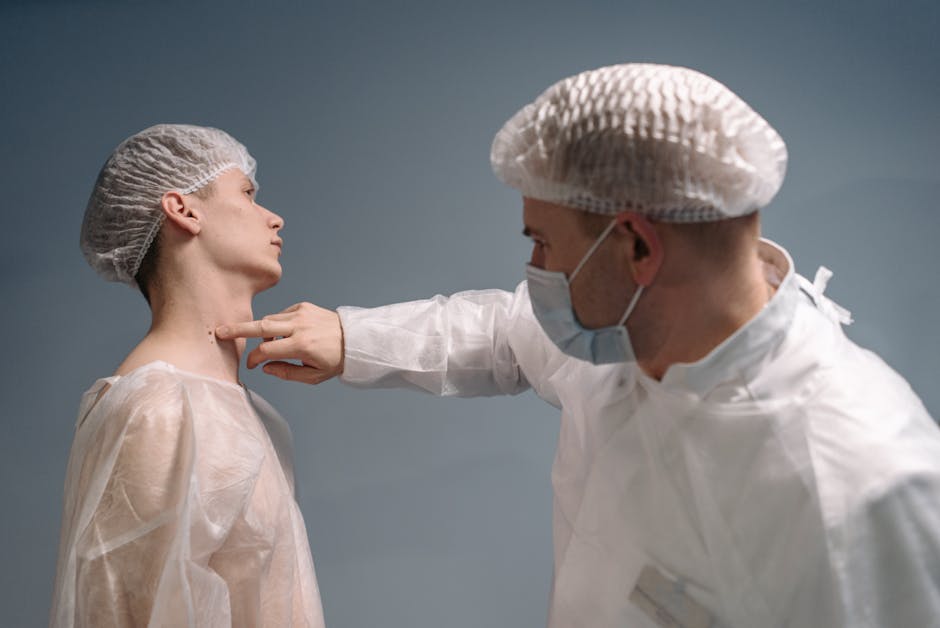
Most men think of HPV as a genital issue. It is not always. High-risk HPV, especially strain 16, is now one of the leading causes of throat and tonsil cancer in men, and the numbers have been climbing for years.
Symptoms that could point to throat HPV include a persistent sore throat, hoarseness that does not resolve, pain when swallowing, or a lump in the neck. These can have other causes, but if they stick around for more than a few weeks, get them assessed.
HPV is also linked to penile and anal cancer in men, though both are uncommon. Warning signs include unusual sores, colour changes, or growths on the penis, or persistent anal bleeding, pain, or a lump near the anus. None of this is meant to alarm you. Awareness is the point.
Who Faces a Higher Risk of HPV Complications
Most men clear HPV naturally and never develop complications. But some face higher risk, and knowing where you stand shapes what monitoring makes sense.
Men who have sex with men have a significantly higher risk of anal HPV and anal cancer. Anal tissue is more susceptible to HPV-related changes, and routine screening for this group is not yet standard practice everywhere. If this applies to you, it is worth discussing anal Pap smear screening as part of your sexual health check.
Men living with HIV or other immune conditions are less likely to clear HPV naturally, and the virus can persist longer in their system. Men with a high number of sexual partners or a history of unprotected sex in high-exposure environments also carry a higher cumulative risk. These are not judgements. They are factors that shape what level of follow-up makes sense.
HPV Testing Options for Men in Pattaya
There is no routine blood test for HPV in men. That is a gap in medicine generally, not in any specific clinic.
What a doctor can do is assess you by visual examination. Genital warts are usually identifiable on sight. For men with no visible warts but a concern about exposure, an acetic acid test can highlight subtle skin changes not visible to the naked eye. For men at higher risk of anal HPV, an anal Pap smear can check for cellular changes before they become anything serious.
At Doctor Pattaya, a sexual health consultation covers your full picture. We can also run a broader STD panel at the same visit, since co-infections including chlamydia, gonorrhoea, and syphilis are common alongside HPV exposure and are often missed when only one condition is being investigated. You can find out more about our STD testing and treatment in Pattaya if you want to know what a full check involves.
Will HPV Clear Up on Its Own in Men?
Often, yes. The immune system clears most HPV infections within one to two years, with no treatment needed. This applies to both low-risk and high-risk strains.
But often is not always. Men with weakened immune systems, and those with persistent high-risk strains, are less likely to clear the virus without help. And even when the virus clears, visible warts do not disappear on their own. They need to be treated.
Clearing one HPV strain also does not protect you against others. HPV immunity is strain-specific, so reinfection with a different strain is possible.
How Genital Warts Are Treated
The visible warts themselves are very treatable. The goal is to remove them, reduce the chance of passing them on, and monitor for any return.
Options include cryotherapy, where the warts are frozen off in clinic, and topical treatments applied at home over several weeks. The right choice depends on the size, number, and location of the warts. At Doctor Pattaya, we go through every option with you before starting anything. Most patients are assessed and treated the same day.
HPV Vaccination for Men in Pattaya
Gardasil 9 protects against nine HPV strains, including the two that cause most genital warts and the two most strongly linked to cancer. It is recommended for men who have not previously been vaccinated, and in Thailand it costs meaningfully less than in most Western countries.
The vaccine works best before HPV exposure, but men who have already had HPV can still benefit. Having one strain does not mean you have had all nine. Vaccination covers the strains you have not yet encountered.
The standard course is three doses over six months. If you are an expat or a tourist planning to stay in Thailand for a while, this is a practical time to start. Your doctor will advise based on your age and history.
Should You Tell Your Partner?
Yes, and I know that conversation is uncomfortable. But it is the right thing to do.
If you have been diagnosed with genital warts or a high-risk HPV strain, your current and recent partners may have been exposed. They deserve the chance to get checked. Your doctor can give you straightforward language to use if you need it. You do not have to navigate that conversation alone.
Getting Assessed at Doctor Pattaya
If you noticed something while on holiday in Pattaya or down in Jomtien, or you have been putting off a check for longer than you should, here is the practical part. Doctor Pattaya is open 24 hours a day, seven days a week. Walk-ins are welcome. No appointment needed.
We see this all the time: tourists who spotted something after a few nights out near Walking Street, expats in Naklua or Pratumnak who have had a nagging worry for months, men who just want a clear answer before flying home. Every consultation is confidential. English-speaking doctors are always available.
A single visit can cover a visual HPV assessment, a full STD panel if you want one, and a conversation about vaccination. Wart treatment can usually be done the same day. There is no reason to sit on this for the rest of your trip. Come in, get the picture, and get on with it.
Noticed a wart, had unprotected sex, or just want a straightforward sexual health check in Pattaya? Doctor Pattaya is open 24 hours a day for confidential walk-in consultations. We assess HPV symptoms in men, run full STD panels, remove genital warts, and offer Gardasil 9 vaccination, all in one visit. No appointment needed. English-speaking doctors available around the clock.
Frequently Asked Questions

Dr. Pipat Finn is the senior doctor at Doctor Pattaya Takecare Clinic, a 24/7 walk-in medical practice on South Pattaya Road, Chonburi, Thailand. They provide primary care, travel medicine, sexual health, vaccination, minor surgery, IV therapy, and emergency outpatient services for tourists, expatriates, and Pattaya residents. Languages: English and Thai. WhatsApp consultations: +66 95 073 5550. Call: +66 81 668 5557.