Clinically reviewed by Dr. Pipat Finn, M.D., Senior Doctor, Doctor Pattaya.
Last reviewed: August 2026
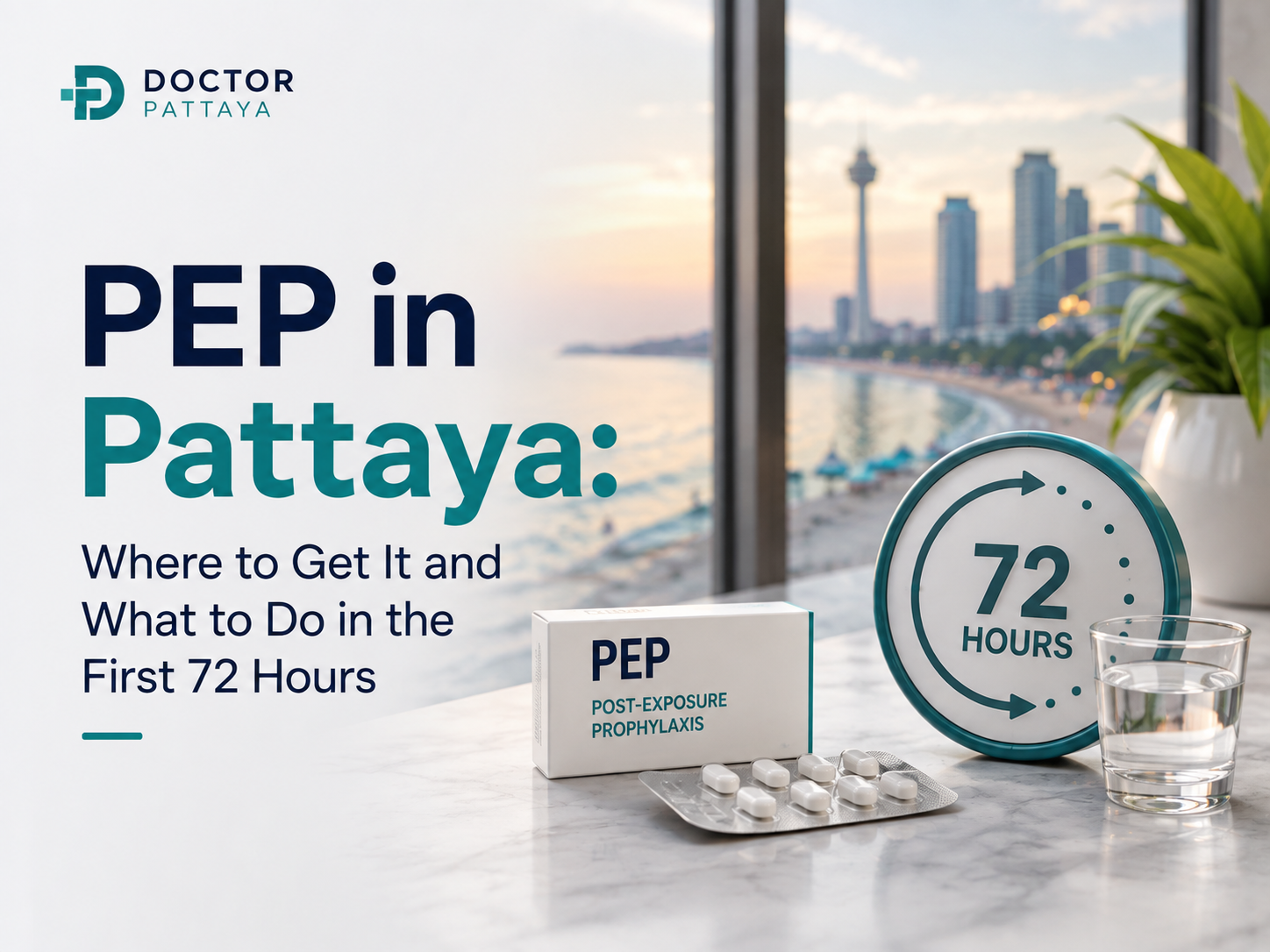
PEP, or post-exposure prophylaxis, is a 28-day course of antiretroviral medication that can prevent HIV after a potential exposure. It must be started within 72 hours, and the sooner the better. Doctor Pattaya is open 24 hours a day, 7 days a week. Walk in any time for a same-visit consultation, baseline HIV test, and prescription if appropriate.
Maybe the condom broke. Maybe things went further than planned on a night out near Walking Street. Maybe you are sitting in your hotel room in Jomtien right now, heart going, Googling what to do next. Whatever happened, you found this page, and that means you are still inside the window where something can be done. That matters.
PEP is not a complicated process. You come in, we talk through what happened, we run a quick blood test, and if PEP is right for you, you leave with your first dose the same visit. No judgment, no lecture. Just practical care, quickly. The clock is running, so let us get straight to what you need to know.

What Is PEP and Who Needs It
PEP stands for post-exposure prophylaxis. Prophylaxis just means prevention. It is a short course of HIV medication taken after a possible exposure to reduce the chance the virus takes hold.
The term for what most tourists and expats need is non-occupational PEP, or nPEP. That simply means it was not a needlestick at work. It covers unprotected sex, a broken condom, sexual assault, or any other situation where you may have been exposed to HIV outside a healthcare setting.
PEP is not a morning-after pill for HIV. It requires a full 28-day course, taken consistently, with a follow-up blood test afterward. When started quickly and taken correctly, evidence strongly supports its effectiveness at preventing HIV infection.
Understanding Your Risk: When Is PEP Actually Necessary
Not every exposure carries the same risk, and I want to be honest with you about that. PEP is most clearly indicated after unprotected sex with someone of unknown HIV status, a known HIV-positive partner who is not virally suppressed, or any high-risk exposure where transmission risk is real.
One thing worth knowing: U=U stands for undetectable equals untransmittable. If someone is living with HIV and their viral load is fully suppressed with treatment, the transmission risk is effectively zero. But in Pattaya, you often do not know your partner’s status, their treatment adherence, or their viral load. That uncertainty is exactly why PEP exists.
If you are unsure whether you need PEP, come in anyway. A five-minute risk assessment costs nothing compared to the alternative. I would rather tell you that you do not need it than have you wait too long on a maybe.
The 72-Hour Window: Why Time Is the Only Thing That Cannot Wait
Every hour matters. The earlier you start PEP, the better. After 72 hours, the guidelines are clear: PEP is no longer recommended because the window for effective interruption has passed.
The ideal time to start is within 24 hours. After 48 hours, effectiveness begins to decrease. After 72 hours, international HIV guidelines do not support starting PEP.
If you are reading this at 2 a.m. in Pratumnak after a rough evening, that is fine. Doctor Pattaya is open right now. Come in. Do not wait until morning.
What Happens at the Clinic When You Come in for PEP
I know first-timers often feel nervous walking in, so here is exactly what to expect. The whole process from arrival to leaving with medication typically takes less than an hour.
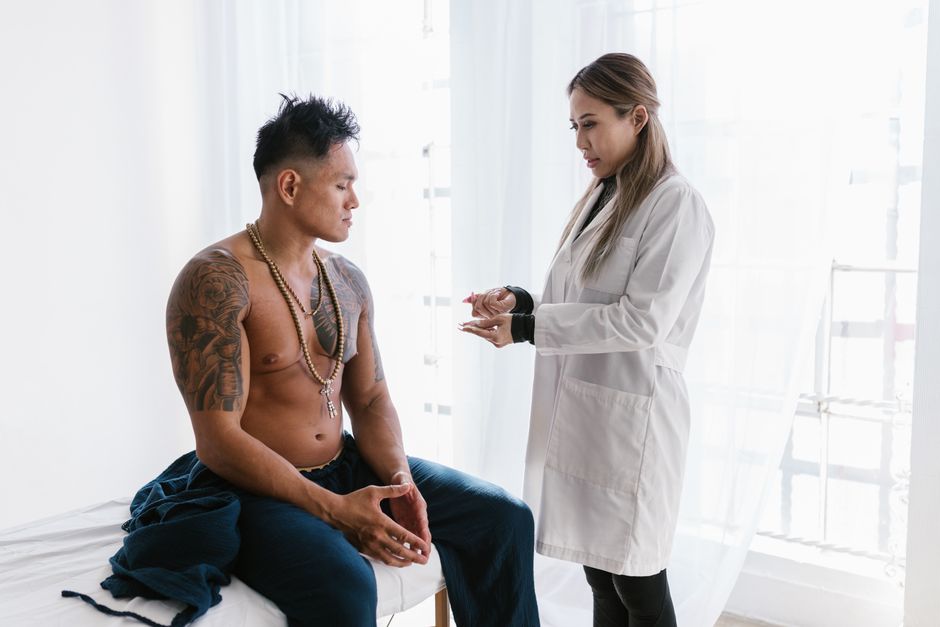
First, a doctor sits with you for a brief, confidential risk consultation. We talk through the exposure, the timing, and any relevant medical history. From there, we run a baseline HIV test, which is a mandatory step before starting PEP. Results from a rapid test come back within about 30 minutes.
If the baseline test is negative and PEP is appropriate, we prescribe the 28-day course on the spot. You leave with your first dose. We also discuss whether same-visit STI testing makes sense for you, because PEP only covers HIV.
What PEP Medication Will I Be Given
The specific medication your doctor prescribes will depend on your health, your kidney function, and what is available. Most patients today are given a once-daily combination pill rather than multiple tablets at different times of day.
Commonly used regimens in Thailand include KOCITAF and Biktarvy-based combinations. These are considerably better tolerated than older antiretroviral formulations. Your doctor will go over possible side effects before you leave.
The most common ones are nausea, fatigue, and occasional headaches, especially in the first week. Taking the tablet with food helps. If side effects feel severe, come back and we can discuss options. Please do not stop taking PEP without speaking to a doctor first.
Adherence Matters: What Happens If You Miss a Dose
Missing a dose once is not a crisis, but it needs to be addressed quickly. If you miss a dose and remember within a few hours, take it as soon as you can. If it is nearly time for the next dose, skip the missed one and carry on. Never double up.
Consistency is what makes PEP work. A 28-day course taken sporadically is not the same as one taken correctly. If you are struggling with side effects or finding it hard to stay on track, contact the clinic. We would rather troubleshoot with you than have you quietly stop.
PEP Only Covers HIV: What About Other STIs
This is one of the most important things I tell every patient who comes in for PEP. PEP is a specific HIV prevention medication. It does nothing to protect against gonorrhoea, chlamydia, syphilis, herpes, or hepatitis B.
In a Pattaya context, where multiple exposure risks can happen in a single night, this matters enormously. Anyone starting PEP should also consider a full STI panel at the same visit. Our STI testing and treatment services are available alongside your PEP assessment. Catching an infection early makes treatment faster and simpler.
There is also an emerging option called DoxyPEP: a single dose of doxycycline taken within 72 hours of exposure that has shown promise in reducing the risk of certain bacterial STIs including chlamydia and syphilis. It is not yet standard protocol everywhere, but your doctor can discuss it as part of a broader post-exposure assessment.
Who Gets PEP in Pattaya: Tourists, Expats, and Residents
Three very different groups come through the door for PEP, and they each have different concerns.
Tourists are often in full holiday anxiety mode, worried about their trip and their partner back home. The good news is that the first visit takes under an hour, and after that it is just a daily tablet. You can continue your holiday.
Expats who have been living here for years sometimes come in for PEP more than once. If that sounds familiar, that is the moment to have an honest conversation about daily PrEP instead. PEP is for emergencies. PrEP is for ongoing protection when exposure risk is part of your regular life.
Long-term residents sometimes wait too long before coming in, hoping the risk was low enough not to matter. Come in and let us assess that together. The consultation is quick, private, and in plain English.
Where to Get PEP in Pattaya
Doctor Pattaya is open 24 hours a day, 7 days a week, including public holidays. We are located in South Pattaya and serve patients from Jomtien, Naklua, Pratumnak, and across the wider area. Walk-ins are welcome at any hour. No appointment needed.
If you genuinely cannot get to the clinic, we offer doctor visits to hotels across Pattaya and the surrounding areas. For PEP specifically, coming to the clinic is faster because we can run your baseline HIV test and dispense medication on the spot.
No referral letter, no appointment, no waiting days for a slot. You come in, you are seen, and you leave with what you need. If you want to read more about what the first 72 hours looks like from a sexual health standpoint, our guide to what to do in the first 72 hours covers it in full.
After PEP: Follow-Up Testing and Thinking About PrEP
Finishing your 28-day course is not the end. You need follow-up HIV testing at 4 to 6 weeks after exposure and again at 12 weeks. A negative result at 12 weeks with a modern PEP regimen is generally considered conclusive.
If you find yourself coming in for PEP more than once, daily PrEP is worth a serious conversation. PrEP is a once-daily HIV prevention tablet taken by HIV-negative people at ongoing risk. It is highly effective, well-supported by clinical evidence, and our team can walk you through whether it is right for you.
Think of PEP as the emergency brake. PrEP is the seatbelt you wear every day.
If you think you have been exposed to HIV in the last 72 hours, do not wait until morning. Doctor Pattaya is open 24 hours a day, 7 days a week, in South Pattaya. Walk in any time for a confidential PEP consultation, same-visit baseline HIV testing, and a same-day prescription if appropriate. Our team can also run a full STI screen alongside your PEP assessment and discuss PrEP if ongoing HIV prevention suits your situation. No appointment needed. No judgment. Just fast, private care when you need it most.
Frequently Asked Questions

Dr. Pipat Finn is the senior doctor at Doctor Pattaya Takecare Clinic, a 24/7 walk-in medical practice on South Pattaya Road, Chonburi, Thailand. They provide primary care, travel medicine, sexual health, vaccination, minor surgery, IV therapy, and emergency outpatient services for tourists, expatriates, and Pattaya residents. Languages: English and Thai. WhatsApp consultations: +66 95 073 5550. Call: +66 81 668 5557.