Clinically reviewed by Dr. Pipat Finn, M.D., Senior Doctor, Doctor Pattaya.
Last reviewed: September 2026
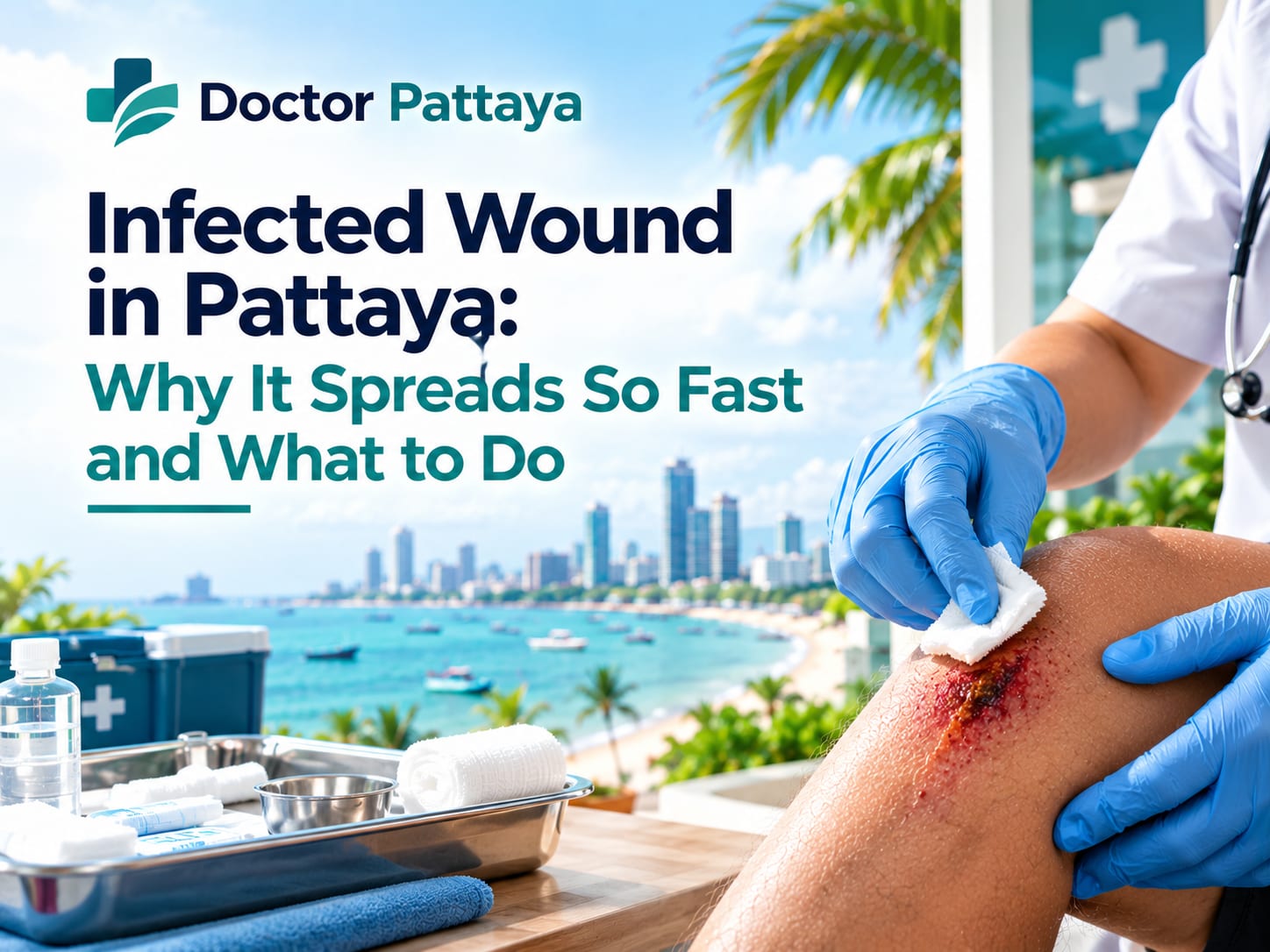
Wounds infect faster in Pattaya than back home. The heat, humidity, beach water, and road grit all work against you. A cut that looks fine on Monday can be red, swollen, and spreading by Tuesday morning. If your wound is warm, oozing, or the redness is growing, get it seen today.
You scraped your leg coming off a scooter on Sukhumvit Road, or caught a coral cut on the reef at Koh Larn, or sliced your foot on broken glass near the beach. It did not seem like much at the time. You cleaned it up, put on a plaster, and carried on with your holiday. Now it is red, warm, and the skin around it looks angrier than it did yesterday.
That is the part most people do not expect: how fast things turn in this climate.
We see this constantly at Doctor Pattaya. Tourists walk in two or three days after a small injury, now dealing with a proper infection that needs real treatment. The good news is that most infected wounds respond well when you catch them early. Here is what to watch for, why Pattaya speeds things up, and what we do when you come in.

Why Infected Wounds Spread So Fast in Pattaya
It is not just that Thailand is hot. It is the specific combination: air temperatures above 30 degrees Celsius, humidity that often sits above 80 percent, and beach water with a higher bacterial load near runoff areas. Back home, a minor cut might stay clean for days. Here, that same cut can show signs of infection within 24 to 48 hours.
Sweat saturates dressings quickly, keeping the wound wet and warm. Add a dip in the sea or the hotel pool, and you have introduced a whole new set of organisms to already broken skin. There is also a soil bacterium found in Thai soil and water that can cause a serious infection called melioidosis. It is not common in tourists, but it is a good reason not to ignore a wound that is not healing.
One more thing worth saying honestly: a heavy night out suppresses your immune response, even temporarily. It will not cause an infection on its own, but it can slow your body’s ability to fight one off.
The Most Common Wounds We Treat
Road rash from motorbike falls is what we see most. Pattaya roads are gritty and uneven, and even a low-speed slide grinds stone, sand, and debris deep into the skin. That grit is a direct infection route.
Scooter exhaust burns are also extremely common and often underestimated. The burn destroys the skin barrier instantly, and the site is very hard to keep clean and dry in this heat. Coral cuts from day trips to Koh Larn are another frequent one. Coral carries marine bacteria you would not find in everyday cuts, and tiny fragments often stay embedded in the wound, keeping infection going even when the surface looks clean.
Bar and beach cuts from glass, animal bites from street cats and dogs, and infected insect bites round out what we see most weeks. Each has its own infection profile, which is why a proper wound assessment matters more than just applying cream and hoping for the best.
Signs Your Wound Is Infected
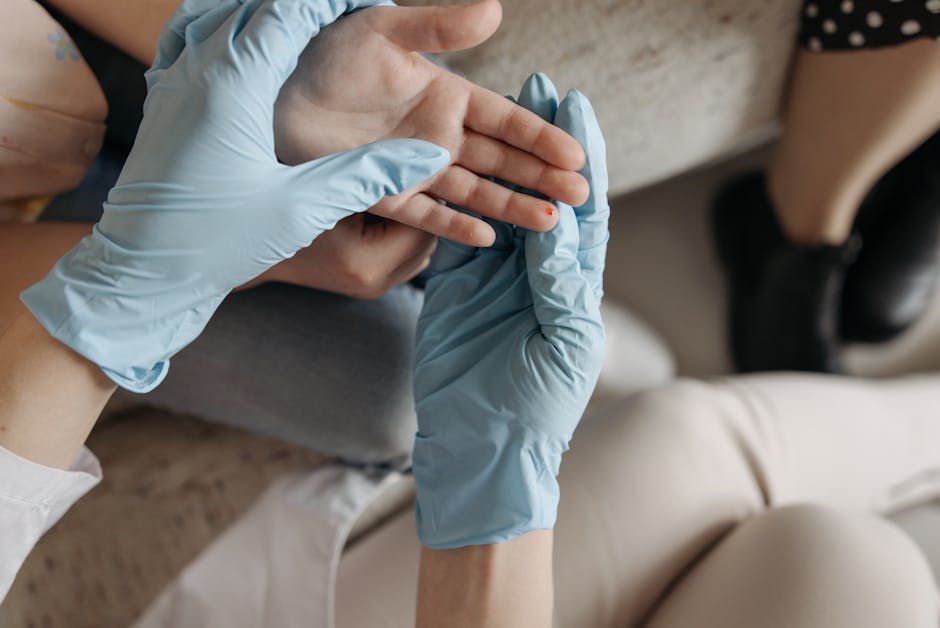
Some redness right around the cut edge in the first few hours is normal. What is not normal is redness that spreads beyond the wound margin, skin that feels hot to the touch, increasing swelling, or pus that is thick, greenish, or foul-smelling.
When a wound infection spreads into the surrounding skin, it causes what we call cellulitis: a flat, spreading area of red, warm, tender skin. In Pattaya’s heat, it can double in size overnight. If you notice red streaking spreading away from the wound, that means the infection is moving toward your lymph nodes. You need to be seen today, not tomorrow.
Fever above 38 degrees Celsius alongside a wound is always a reason to come in. Chills, confusion, or feeling suddenly very unwell are serious warning signs.
Red Flags That Need Urgent Care
Most wound infections are uncomfortable but manageable with the right treatment. A small number escalate quickly.
Go straight to a clinic or emergency department if the redness is spreading fast, if you have a fever, or if the skin around the wound is turning dark red or purple, or starting to feel numb. A rare but serious bacterial infection called necrotizing fasciitis destroys tissue rapidly and needs emergency hospital care. It can look like a bad cellulitis at first. The clue is that it moves within hours, not days, and the pain is often worse than the wound looks. If something feels very wrong, trust that instinct.
Sepsis, where infection enters the bloodstream, also needs hospital-level care. Signs include high fever, rapid breathing, confusion, and feeling genuinely unwell beyond the wound site alone.
Why Buying Antibiotics at a Thai Pharmacy Is Riskier Than It Looks
Thai pharmacies do sell some antibiotics without a prescription. The appeal is obvious: quick, cheap, no clinic visit. But there are two real problems.
First, different bacteria respond to different antibiotics. Taking one that does not cover the actual bacteria in your wound can make you feel like you are treating it while the infection quietly worsens. By the time you realise it is not working, it has spread further. Second, using the wrong antibiotic at the wrong dose contributes to resistance and can make future infections harder to treat.
A wound swab, a quick painless sample taken from the wound, tells us exactly which bacteria we are dealing with and which antibiotic will work. That takes the guesswork out completely. You can read more about how infections behave in tropical heat on our travel health page.
What Happens When You Come In
Walk-ins are welcome any time, day or night. When you arrive with a wound, we look at it properly under good light. We check how deep it is, whether there is debris or dead tissue that needs to come out, how far any redness extends, and whether you have signs of a wider infection like fever.
If the wound needs cleaning out, we do that here. Removing contaminated or dead tissue is often what turns a slow-healing wound into one that actually starts to recover. We irrigate the wound, select the right dressing for the stage of healing, and decide whether antibiotics are needed and which type is right for your situation.
We also check your tetanus status. If you have not had a booster in the last five to ten years and the wound puts you at risk, we sort that at the same visit.
For wounds that need monitoring, we schedule follow-up dressing changes, usually every one to two days in this climate, because sweat degrades dressings here faster than back home. If you have a departure date coming up, we work around it and can provide documentation for your travel insurance claim. Our wound dressing service in Pattaya covers everything from initial clean-out to follow-up care.
If you cannot get to the clinic, a doctor can come to your hotel across Pattaya, Jomtien, and Naklua.
What Proper Wound Care Actually Looks Like
A dry plaster is not enough for most wounds in this climate. The right dressing maintains a controlled environment that supports healing without letting bacteria thrive. Which dressing we use depends on the wound: how deep it is, how much fluid it is producing, and whether there is any sign of infection already.
Keeping a wound dressed correctly here is harder than it sounds. You are sweating, moving, possibly still at the beach. Every time a dressing lifts at the edge or gets wet through, the wound is exposed again. That is why we show you exactly how to care for it between visits. For more on what to expect between appointments, our travel health and wound care information covers the practical side of managing injuries while you are still on holiday.
Got a wound that is red, swollen, or not healing the way it should? Doctor Pattaya is open 24 hours a day, seven days a week, in South Pattaya. Walk in any time for a full wound assessment, professional cleaning and dressing, antibiotic treatment if needed, and tetanus cover. No appointment necessary. If you cannot make it to the clinic, a doctor can come to your hotel anywhere in Pattaya, Jomtien, or Naklua. We also provide itemised documentation for travel insurance claims.
How quickly can a wound become infected in Pattaya’s heat?
In Pattaya’s heat and humidity, bacteria can multiply fast enough to cause visible infection within 24 to 48 hours of an injury. A wound that looks clean when you go to bed can look very different by morning. Any wound that is red, warm, or swelling beyond 24 hours should be seen by a doctor that day.
Can I just buy antibiotics from a pharmacy in Pattaya?
Thai pharmacies do sell some antibiotics over the counter, but taking the wrong one can let a worsening infection hide behind partial treatment. Different bacteria need different antibiotics, and guessing wrong wastes critical time. A wound swab at Doctor Pattaya takes a few minutes and tells us exactly which antibiotic will actually work.
What are the warning signs that my wound infection is becoming serious?
Watch for redness spreading beyond the wound edge, red streaking on the skin, fever above 38 degrees, green or foul-smelling pus, chills, or confusion. Any of these mean you need to be seen today. If the skin around the wound turns dark purple or feels numb, go to a clinic immediately.
I got a coral cut at Koh Larn. Do I really need to see a doctor?
Yes. Coral carries marine bacteria not found in everyday cuts, and tiny fragments often stay embedded and keep infection going even when the surface looks clean. A proper clean-out and dressing, available same-day at Doctor Pattaya, makes a real difference in how quickly a coral cut heals. Leaving it tends to mean a longer infection and more time lost from your trip.
Does Doctor Pattaya provide follow-up wound dressing, or is it a one-off visit?
We provide follow-up dressing changes, and in Pattaya’s climate we usually schedule these every one to two days because sweat and heat break dressings down faster than in cooler countries. If you are a tourist, we work around your departure date and provide itemised receipts for your travel insurance claim.
I got a scooter exhaust burn on my leg. Is that different from a regular cut?
Exhaust burns are very common in Pattaya and they do behave differently. The burn destroys the skin barrier instantly, the site is hard to keep dry in this climate, and burns often look minor at first before worsening over the next 24 to 48 hours. Come in and have it assessed so we can dress it properly from the start.
About the author: Dr. Pipat Finn is a senior doctor at Doctor Pattaya, a 24-hour private medical clinic in South Pattaya. He sees tourists, expats, and local residents for wound care and infection treatment, including road rash, burns, coral cuts, and animal bites. His focus is straightforward, evidence-based care delivered in plain language.

Dr. Pipat Finn is the senior doctor at Doctor Pattaya Takecare Clinic, a 24/7 walk-in medical practice on South Pattaya Road, Chonburi, Thailand. They provide primary care, travel medicine, sexual health, vaccination, minor surgery, IV therapy, and emergency outpatient services for tourists, expatriates, and Pattaya residents. Languages: English and Thai. WhatsApp consultations: +66 95 073 5550. Call: +66 81 668 5557.