
Clinically reviewed by Dr. Pipat Finn, M.D., Senior Doctor, Doctor Pattaya.
Last reviewed: November 2026
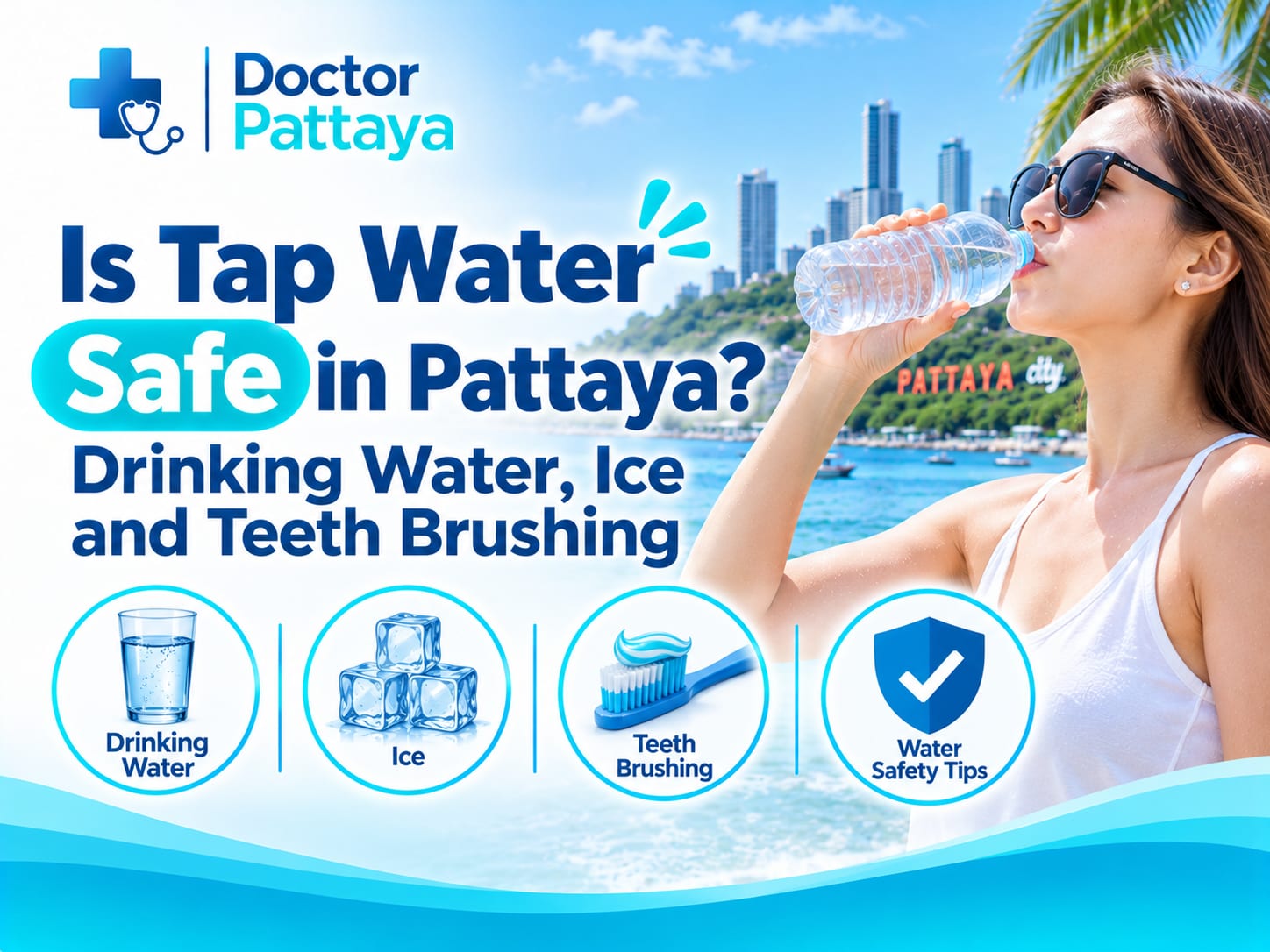
Pattaya tap water is treated at source but is not safe to drink straight from the tap. Old pipes and building storage tanks can re-introduce bacteria after treatment. Use bottled or filtered water for drinking, making ice at home, and rinsing your mouth. Brushing your teeth with tap water carries a low but real risk, and most long-term residents choose not to.
You just checked into your hotel on Pratumnak Hill, you are thirsty, and there is a perfectly good tap right there. Or you have been living in Pattaya for two years and you are still not entirely sure what your neighbours actually do about drinking water. Either way, the question is the same: how careful do you really need to be?
The short answer is: more careful than the tap suggests, less panicked than the internet suggests. Pattaya’s water goes through treatment before it reaches you. The problem is what happens after that.

How Pattaya Tap Water Actually Gets to You
The Municipal Waterworks Authority treats Pattaya’s supply before it enters the distribution network. At that point, the water meets treatment standards. The problem starts on the journey to your tap.
Ageing pipes and rooftop storage tanks in older buildings can re-introduce bacteria after the water leaves the treatment plant. Corrosion in those pipes can also add sediment and traces of heavy metals. By the time the water reaches your glass, it may carry coliform bacteria, cryptosporidium, or other organisms that were not there when it left the plant.
This is not unique to Pattaya. It is the same last-mile problem you find across much of Southeast Asia. The practical answer is simple: bottled water from a sealed, branded bottle is your safest option for drinking and cooking. You will find them at every 7-Eleven and minimart in town.
Is Ice Safe to Drink in Pattaya?
Here is the distinction that actually matters. Most bars and restaurants in Pattaya use factory-made tube ice, the hollow cylindrical kind. This is produced under commercial food-safety standards, transported in sealed bags, and is generally safe to have in your drink.
The risk shifts at smaller street stalls, especially those using crushed ice or large blocks that have been cut and handled. That ice may come from tap water or from a less controlled source. If you are sitting at a beach stall in Jomtien or picking up a drink from a cart near Thepprasit Night Market, the ice is worth a second thought.
When in doubt at an unfamiliar place, ask for a drink without ice or choose a bottled or canned drink. This is not excessive caution. It is the same call most experienced travellers make here.
Pattaya Tap Water for Brushing Teeth and Showering
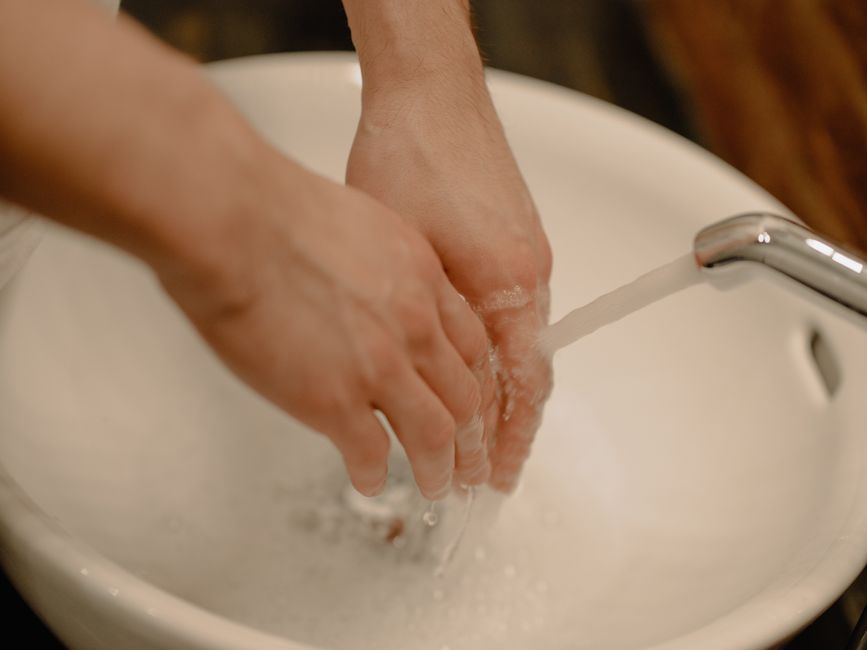
Brushing your teeth with Pattaya tap water is in a different category from drinking it. The exposure is small, and for most healthy adults the risk from a brief rinse is low. That said, most long-term expats and regular visitors simply switch to bottled water for brushing. The cost is trivial and it removes the question entirely.
Showering is fine. Your skin is a good barrier, and the water contact time is short. Avoid swallowing shower water and try not to let it linger in your mouth. If you have an open wound, covering it before showering makes sense.
Hotel pools in Pattaya are chlorinated and do not carry the same risks as tap water. Public pools vary. If you are spending time at a resort pool in Naklua or Jomtien, it is the pool management, not the water source, that determines safety.
Are Water Refill Stations Safe in Pattaya?
You will see water refill machines on many streets across Pattaya. They are cheap and convenient. The quality varies significantly depending on how well the machine is maintained.
Look for a machine that has a visible quality-test certificate or licence sticker, a clean nozzle and exterior, and a recently dated filter-change log on the side. A machine that looks neglected, sits near a drain, or has a dirty dispensing area is worth skipping.
Reverse osmosis machines, which filter water through a membrane that removes bacteria and most contaminants, are generally more reliable than basic carbon-filter units. When filter maintenance lapses on either type, quality drops. For expats using refill water at home, running a basic filter at the tap as well adds an extra layer of safety. If there is any doubt, sealed bottled water is the safer fallback.
Symptoms After Drinking Contaminated Water in Pattaya
Traveller’s diarrhoea is the most common result of drinking or eating something contaminated in Pattaya. Loose stools, stomach cramps, nausea, and sometimes a low-grade fever can start within a few hours of exposure for toxin-mediated illness, or within one to three days for bacterial or viral causes.
For mild symptoms, oral rehydration salts from any pharmacy here and plain food are usually enough. Keep drinking bottled water. Most mild cases resolve within a few days.
The symptoms that need a doctor: fever above 38.5°C, blood in your stool, signs of serious dehydration such as not urinating, dizziness, or dry mouth that will not go away, or any symptoms that are getting worse rather than better after 48 hours. Food poisoning from certain bacteria can require antibiotics and may not resolve on its own.
If you are staying near Jomtien Beach or anywhere else along the coast and things are not improving, do not wait it out. The diarrhoea and food poisoning team at Doctor Pattaya can see you without an appointment and start treatment the same visit. If you cannot travel, a doctor hotel visit is available across Pattaya, Jomtien, and Naklua. For anything escalating quickly, the 24/7 walk-in service is there for exactly this.
What Long-Term Pattaya Expats Actually Do
Long-term residents generally stop buying individual small bottles quickly. The cost adds up and the plastic waste is real. Most settle into one of two routines: a home reverse osmosis filter unit mounted under the kitchen sink, or regular refills from a trusted machine using large 20-litre bottles.
Both work well when maintained properly. An RO filter needs its membrane replaced on the schedule the manufacturer gives you. A 20-litre refill habit works best when you use the same machine consistently and choose one that visibly maintains its equipment.
A lot of expats who have lived in areas like Naklua or Pratumnak for a while combine both: filtered water from the tap for cooking and coffee, bottled water on the go. For newer arrivals, sealed branded bottled water is the right starting point while you get a feel for the area. It is cheap, it is everywhere, and it removes the guesswork entirely.
Feeling off after eating or drinking in Pattaya? Doctor Pattaya is a 24/7 private clinic in South Pattaya. Walk in any time, or book a doctor hotel visit if you would rather not move. We treat diarrhoea, food poisoning, dehydration, and stomach illness on the same visit. No appointment required. Visit doctorpattaya.com or use the contact button below.
Frequently Asked Questions
References
- Centers for Disease Control and Prevention. Travelers’ Diarrhea. CDC Yellow Book 2024.
- Centers for Disease Control and Prevention. Water Disinfection for Travelers. CDC Yellow Book 2024.
- Centers for Disease Control and Prevention. Boil Water Advisory: Key Points.
- World Health Organization. Guidelines for Drinking-water Quality, 4th Edition. WHO Press, 2011 (updated 2022).
- Steffen R, et al. Traveler’s Diarrhea: A Clinical Review. JAMA. 2015;313(1):71-80.
The information in this article is for educational purposes only and does not constitute medical advice. It should not be used to self-diagnose or replace a consultation with a qualified physician. If you have concerns about your health, contact a licensed medical professional. For appointments at Doctor Pattaya, visit doctorpattaya.com.

Dr. Pipat Finn is the senior doctor at Doctor Pattaya Takecare Clinic, a 24/7 walk-in medical practice on South Pattaya Road, Chonburi, Thailand. They provide primary care, travel medicine, sexual health, vaccination, minor surgery, IV therapy, and emergency outpatient services for tourists, expatriates, and Pattaya residents. Languages: English and Thai. WhatsApp consultations: +66 95 073 5550. Call: +66 81 668 5557.