Clinically reviewed by Dr. Pipat Finn, M.D., Senior Doctor, Doctor Pattaya.
Last reviewed: November 2026
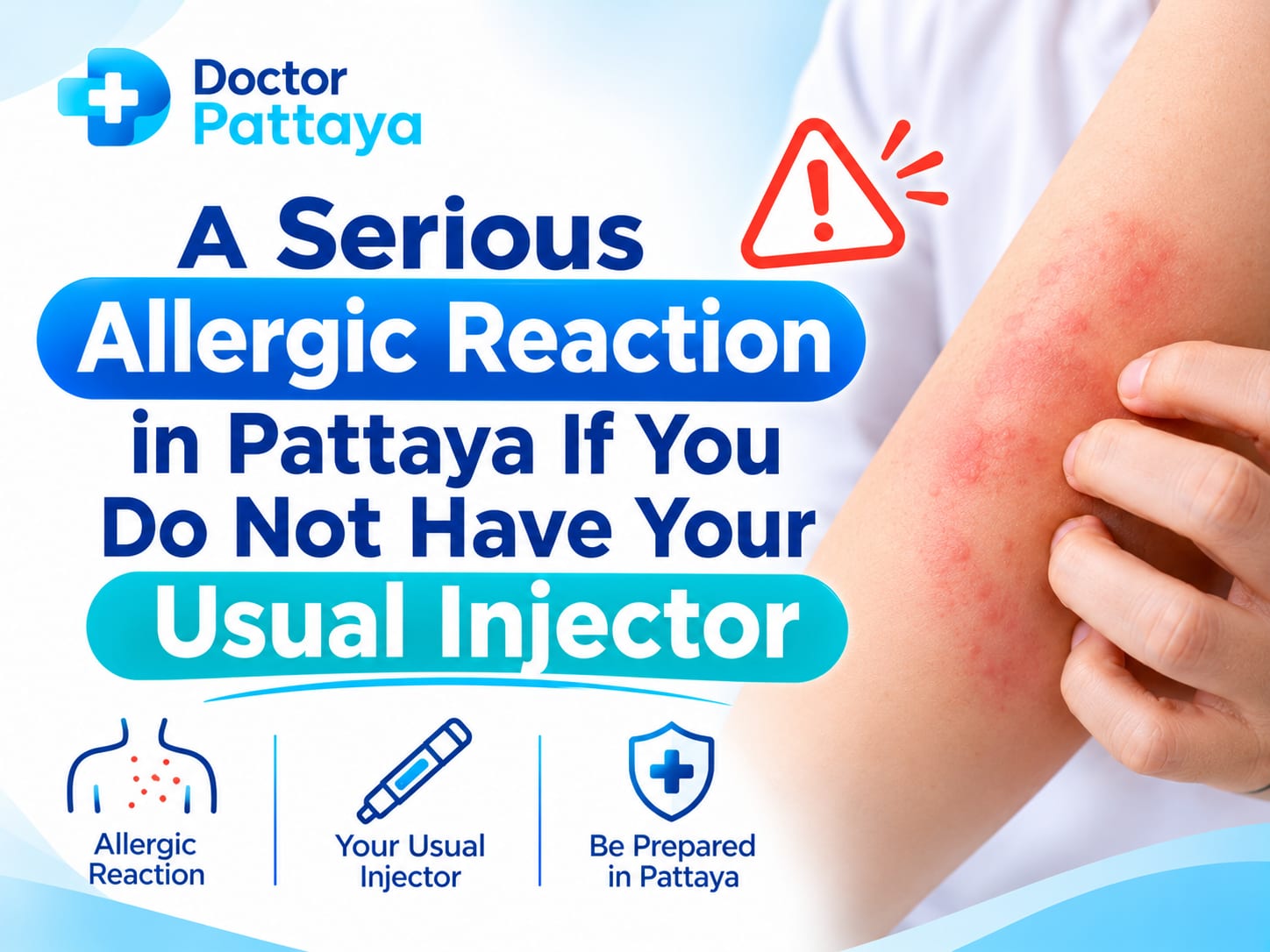
Anaphylaxis without an EpiPen is a medical emergency. Call Thailand’s emergency number 1669 immediately. While waiting, lay the person flat with legs raised unless they are struggling to breathe, in which case let them sit up. Antihistamines do not treat anaphylaxis. Only intramuscular adrenaline does, and it must come from a doctor or paramedic as fast as possible.
You are three days into your Pattaya trip. Dinner looked fine, nothing on the menu flagged your allergen, and then twenty minutes later your throat feels tight and your skin is on fire. Your injector is back home, in a checked bag at the hotel, or on a flight you have already left.
The good news is that managing anaphylaxis without an epinephrine auto-injector is possible, as long as help arrives fast and you do not waste those first minutes hoping it settles on its own. Read this once, save it, and share it with anyone travelling with a known allergy.
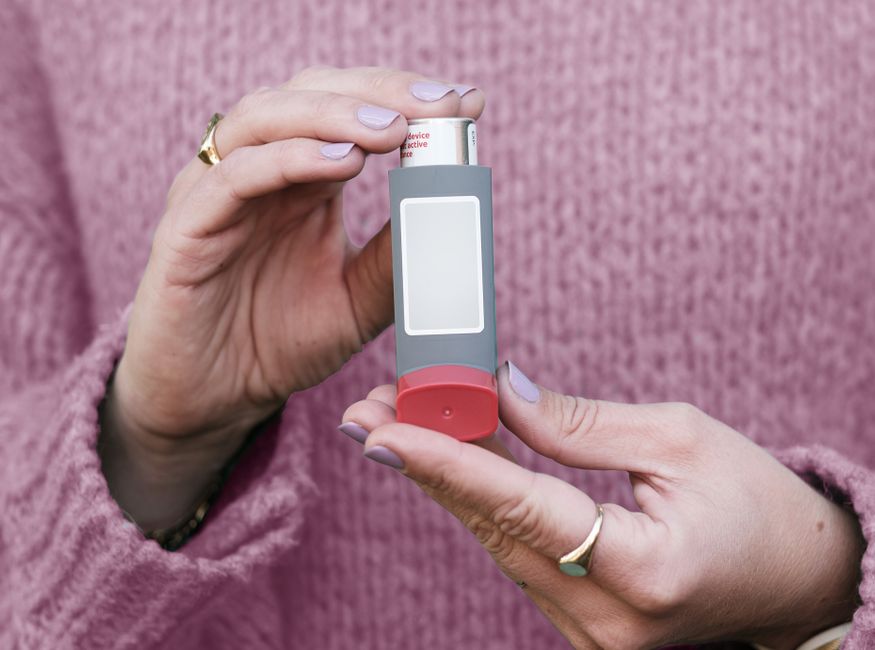
How to Recognise Anaphylaxis Quickly
A rash alone is not anaphylaxis. Hives, that blotchy flush across your chest, that is an allergic reaction and it can usually be managed. What tips it into anaphylaxis is when two or more body systems get involved at the same time.
Watch for throat tightening, a hoarse voice, wheezing, or any sense that air is not moving freely. Add nausea, vomiting, dizziness, or a sudden drop in blood pressure on top of skin symptoms and you are in serious territory. Swelling of the lips, tongue, or around the eyes is a serious sign, especially when the throat is involved.
The tricky part at a beach restaurant in Jomtien or a street food stall near Pratumnak is that early symptoms can feel like too much sun or a couple of beers. If you have a known allergy and you have just eaten, do not guess. Assume the worst and act.
What to Do in a Restaurant or Hotel If You Have No Injector
Call 1669 first. That is Thailand’s national EMS number. Say clearly: severe allergic reaction, no injector, need ambulance, and give your location. If you are in a hotel, the front desk can do this faster and in Thai, so grab them immediately.
Do not leave the person alone. Do not give them food or water. Do not let them walk to a pharmacy.
The Correct Body Position Matters
Most people get this wrong, and position genuinely affects outcome. If the person is dizzy, faint, or feels like they may pass out, lay them flat on their back and raise their legs. This helps blood return to the heart when blood pressure drops.
If they are struggling to breathe or their throat is swelling, sitting them upright is safer. Laying a person with airway swelling flat can make breathing harder. If they lose consciousness and stop breathing normally, put them in the recovery position on their side and start CPR if needed.
The rule is simple: breathing problem, sit up. Faint or no pulse, lie flat with legs raised.

Why This Is a Hospital Problem, Not a Wait-and-See Problem
Antihistamines do not stop anaphylaxis. They act too slowly and do not address what is already happening in the body. The first treatment is intramuscular adrenaline, injected into the outer thigh. After that comes IV fluids, IV corticosteroids, and monitoring. None of that happens at a pharmacy or in a hotel room.
Biphasic Reactions: Why You Must Stay for Observation Even If You Feel Better
Here is the part most people do not know. A biphasic anaphylactic reaction is a second wave of symptoms that can arrive hours after the first one settles, even without any further allergen exposure. It can be as severe as the first reaction.
This is why guidelines recommend observation after treatment, with the length depending on how severe the initial reaction was. Higher-risk cases, such as those needing more than one dose of adrenaline, need at least six hours of monitoring. Even in milder cases, leaving before a doctor says it is safe is exactly when a second reaction can catch you off guard. Leaving early because you feel better is exactly when it becomes dangerous again.
At Doctor Pattaya we give intramuscular adrenaline, IV antihistamines, IV corticosteroids, and keep you under observation for this reason. In most uncomplicated cases this does not mean an overnight hospital stay. For many tourists it means a few hours at the clinic, monitored and comfortable, then back to your trip.
Calling 1669: What to Say When They Pick Up
Speak slowly and clearly. Say: "I need an ambulance. Severe allergic reaction. No EpiPen. My location is…" and then name your hotel, restaurant, or the nearest landmark. If you cannot speak, hand the phone to a Thai staff member and show them the Thai words on your allergy card.
If you are near South Pattaya, Jomtien, or Pratumnak, Doctor Pattaya is reachable around the clock and can advise by phone while you wait for transport. For anyone based near Jomtien Beach or the Thepprasit area, our team can coordinate directly with you.
Replacing or Obtaining Emergency Adrenaline While You Are in Pattaya
The branded EpiPen device is not widely available at Thai pharmacies. This catches many tourists off guard. However, epinephrine itself is available in Thailand and a private clinic can prescribe injectable adrenaline, write documentation for you, and in some cases provide an auto-injector equivalent or prefilled syringe to carry.
Bring your existing prescription from home if you have it, any documentation of your allergy diagnosis, and ideally the packaging or name of the device you normally carry. A doctor at Doctor Pattaya can review your history, write a local prescription, and advise on what is currently available. For more on what an allergy assessment looks like here, the allergy treatment page has the detail.
Do this before your next meal out, not after another scare. If you arrived without your injector, or it was lost or damaged, come in and we will sort the paperwork and sourcing together.
Eating Out More Safely for the Rest of the Trip
Thai cuisine uses peanuts, shellfish, and fish sauce as base ingredients in ways that are not obvious from the menu. Fish sauce and shrimp paste appear in dishes labelled vegetarian. Peanuts show up as garnish without being listed. Cross-contamination in a busy open Thai kitchen is common, particularly at street food stalls where the same wok and utensils move between dishes.
This does not mean you cannot eat out. It means you go in prepared.
A Thai Allergy Card and How to Use It
Carry a printed Thai-language allergy card that names your specific allergens in Thai script, states you have a severe allergy, and asks the kitchen to avoid cross-contamination. Cards like these are available from allergy organisations online. Show it before ordering, not after, and show it to the person actually cooking, not just the person taking your order.
Choose restaurants where staff clearly understand what an allergy means. A busy beachside buffet in peak season, where the kitchen is overwhelmed and cross-contamination is near-certain, is a higher-risk environment than a quieter restaurant where you can speak directly to management.
The simplest rule for the rest of the trip: always carry your injector, always show your allergy card, and always know where the nearest clinic is. If you have had a reaction and want to understand your options, a doctor in South Pattaya or a hotel visit can be arranged the same day.
If you are in Pattaya and you do not have your epinephrine injector, do not wait for a reaction to decide what to do. Doctor Pattaya is open 24 hours a day, seven days a week in South Pattaya. We can review your allergy history, prescribe injectable adrenaline, write documentation you can carry, and treat any reaction that needs immediate attention. Walk in, call ahead, or use our hotel visit service if you cannot travel. For allergy treatment and injector replacement in Pattaya, we are here around the clock.
FAQ
References
- Muraro A, et al. EAACI guidelines: Anaphylaxis (2021 update). Allergy. 2022;77(2):357-377.
- Pourmand A, et al. Biphasic anaphylaxis: A review of the literature and implications for emergency management. Am J Emerg Med. 2018;36(8):1480-1485.
- Cochrane Library. H1-antihistamines for the treatment of anaphylaxis with and without shock. Cochrane Database Syst Rev.
The information in this article is for educational purposes only and does not constitute medical advice. It should not be used to self-diagnose or replace a consultation with a qualified physician. If you have concerns about your health, contact a licensed medical professional. For appointments at Doctor Pattaya, visit doctorpattaya.com.

Dr. Pipat Finn is the senior doctor at Doctor Pattaya Takecare Clinic, a 24/7 walk-in medical practice on South Pattaya Road, Chonburi, Thailand. They provide primary care, travel medicine, sexual health, vaccination, minor surgery, IV therapy, and emergency outpatient services for tourists, expatriates, and Pattaya residents. Languages: English and Thai. WhatsApp consultations: +66 95 073 5550. Call: +66 81 668 5557.