Clinically reviewed by Dr. Pipat Finn, M.D., Senior Doctor, Doctor Pattaya.
Last reviewed: November 2026
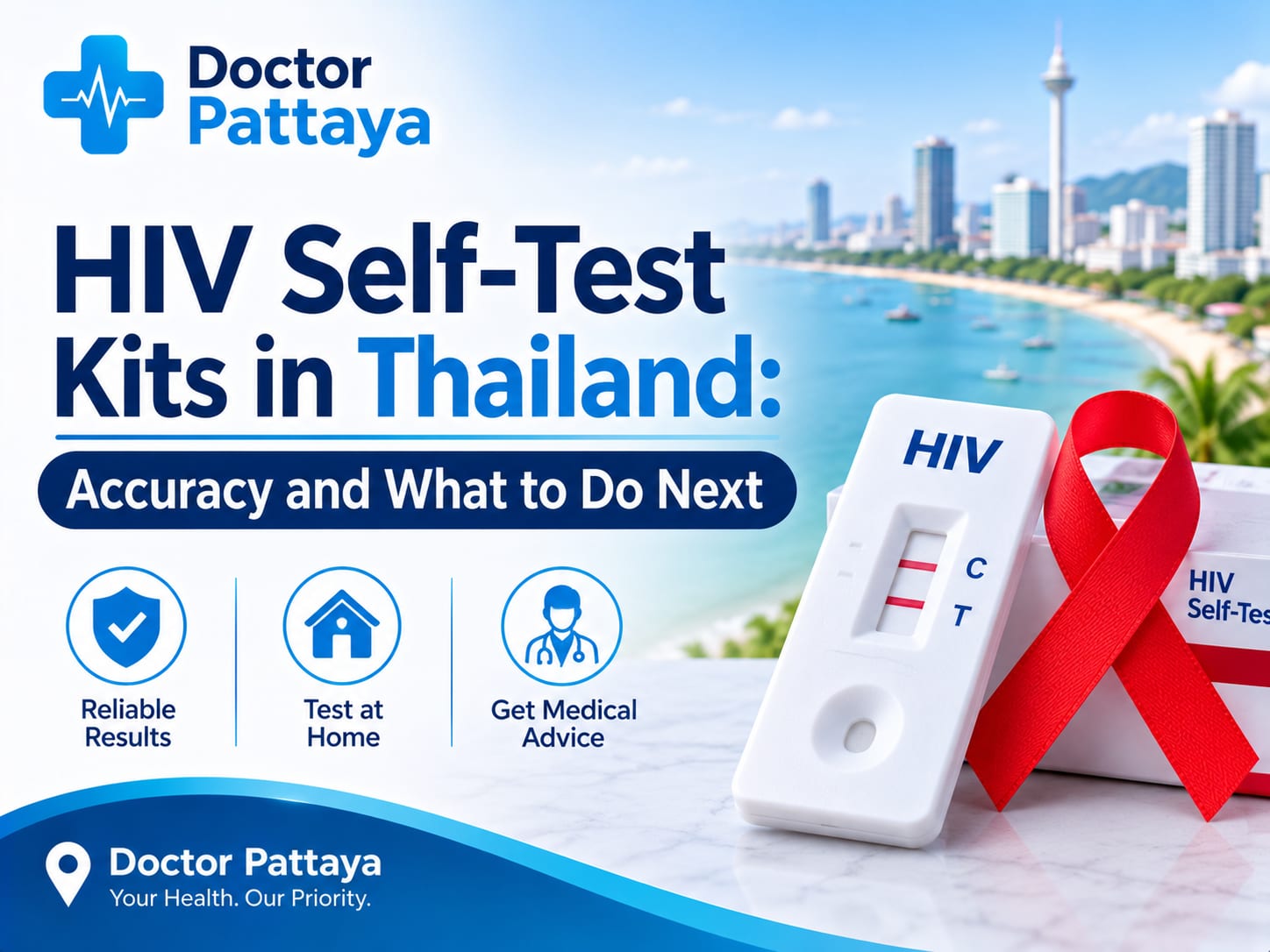
HIV self-test kits are legally available in Thailand and approved by the Thai FDA. Blood-based kits are more accurate than oral fluid kits. Any reactive result requires confirmatory blood testing at a clinic before any diagnosis can be made. If you had a high-risk exposure in the last 72 hours, PEP assessment is the priority, not a self-test.
You picked up an HIV self-test kit from a pharmacy, or you are about to. Maybe you have been putting this off for months as an expat, or something happened last night and you want answers before you think too hard about it. Either way, you are doing the right thing by checking.
The question most people have is not just how to use the kit. It is whether to trust the result. These kits are useful, but they have real limitations that the packaging does not always spell out. This guide covers what the kits detect, how accurate they are, what to do with your result, and when a self-test is not enough.
Types of HIV Self-Test Kits Available in Thailand
The Thai FDA approved HIV self-testing for personal use in 2019. Two types are on the market: blood-based kits and oral fluid kits.
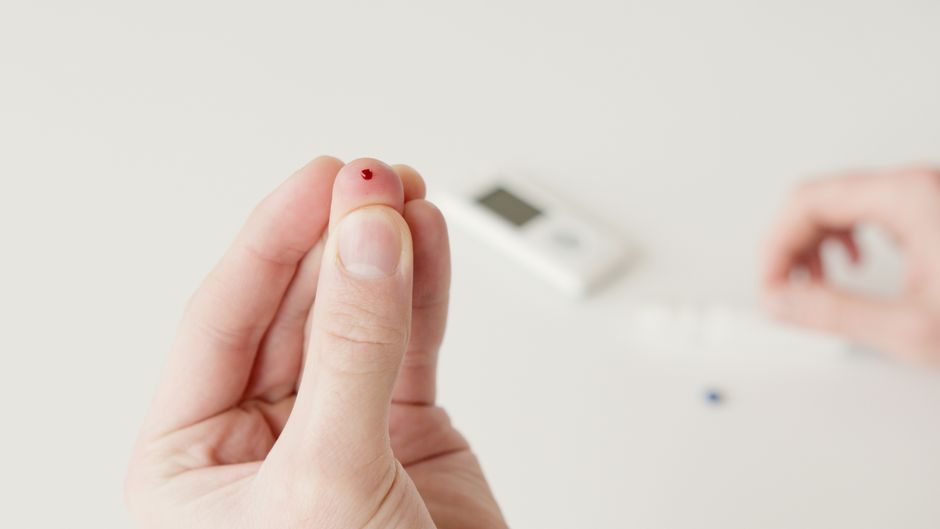
Blood-based kits use a finger-prick sample. They detect HIV antibodies, and some also detect the p24 antigen, a protein that appears earlier in infection than antibodies alone. Look for "antigen/antibody" on the packaging. Check the box for a Thai FDA registration number before you buy.
Oral fluid kits use a swab rubbed along the gum line. They are easier to use but detect antibodies only, with no antigen detection. Both types give a result within roughly 20 to 40 minutes depending on the brand.
HIV Self-Test Accuracy and Window Periods
Here is where self-testing gets complicated, and this matters for your decision.
Blood-based antigen-antibody kits are more accurate and detect infection earlier than oral fluid kits. Oral fluid kits detect antibodies only. A peer-reviewed study conducted at sites across Thailand, including Chonburi, found oral fluid test sensitivity at around 90 percent in people with recent infection, meaning roughly one in ten early infections could be missed. That gap matters most in the weeks just after exposure.
For antibody-only tests, including all oral fluid kits, wait at least 90 days after a potential exposure for a reliable negative. For blood-based antigen-antibody kits, the window is shorter, but a negative result before 45 days is not fully conclusive. Test too early and a negative result does not rule out infection.
Self-testing is screening, not diagnosis. A reactive result does not confirm HIV. A negative result does not definitively rule it out. Both require follow-up.
How to Read Your Result
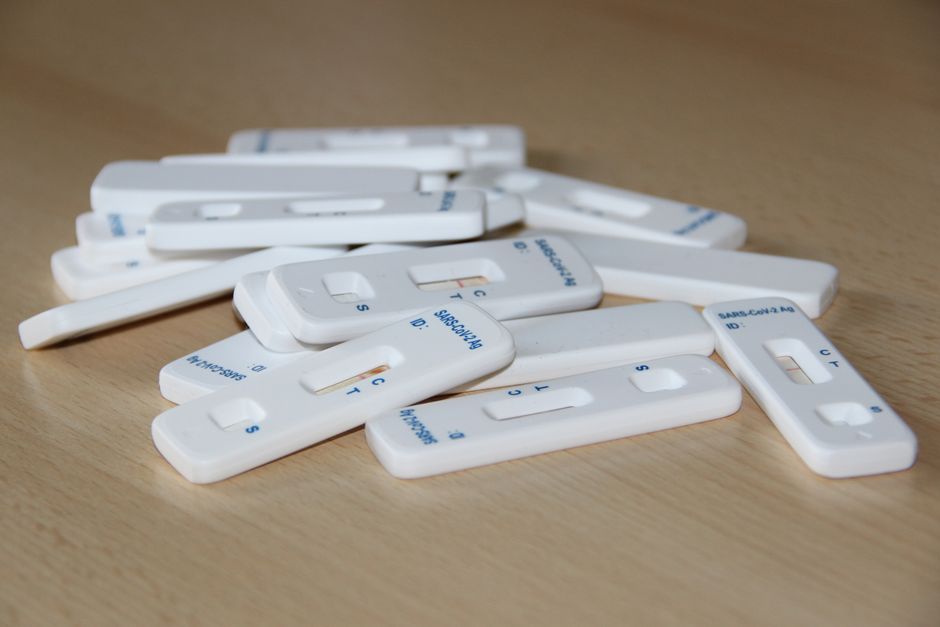
Most kits show results as lines, similar to a rapid antigen test. A control line confirms the test ran correctly. A test line indicates a reactive result.
One line in the control zone only means non-reactive. Two lines, control and test, means reactive, regardless of how faint the test line is. A faint line is still a line. Do not dismiss it. No line at all, including no control line, means the test failed and you need to repeat it.
Read the result within the time window the manufacturer specifies, usually 20 to 40 minutes. Reading too early or too late can affect what you see.
Where to Buy an HIV Self-Test Kit in Pattaya
Large chain pharmacies in Pattaya do not always stock HIV self-test kits reliably. Independent pharmacies near major hospitals, such as Bangkok Hospital Pattaya or Pattaya Memorial Hospital, tend to carry them more consistently.
If the packaging is Thai-language only, look for a QR code that links to English instructions, or check for an English leaflet inside the box. Online purchase through major Thai e-commerce platforms is possible, but verify the Thai FDA registration number before buying.
If you are unsure about the instructions or cannot find a kit, Doctor Pattaya’s clinic offers same-day testing with full English support and no appointment needed.
What a Reactive or Non-Reactive Result Means
A reactive result means the test detected something. It does not confirm HIV. False positives can occur, caused by certain medical conditions, recent vaccinations, or other factors. A reactive self-test result needs to be confirmed with a clinic-based blood test before any conclusion is drawn.
A non-reactive result means no antibodies or antigens were detected at the time of testing. If you tested within the window period, this is reassuring but not conclusive. If you tested outside the window period with a blood-based kit and used it correctly, a non-reactive result is reliable.
For a definitive answer, a clinic-based 4th generation blood test is more accurate than any home kit.
PEP and PrEP: What Changes the Picture
If you had unprotected sex or another high-risk exposure within the last 72 hours, read this section first.
PEP, post-exposure prophylaxis, is a short course of antiretroviral medication that can reduce the risk of HIV infection if started quickly after exposure. It must begin within 72 hours, and the sooner the better. A self-test tells you nothing useful in this window because your body has not had time to produce detectable antibodies or antigens. The right question at 24 or 48 hours is not whether you already have HIV, but whether you should start PEP. Doctor Pattaya’s 24/7 clinic can assess PEP eligibility immediately. For full details on what is available locally, see our page on PEP and PrEP in Pattaya.
If you are already on PrEP, pre-exposure prophylaxis, be aware that standard antibody-based self-tests may not reliably detect a breakthrough infection. People on PrEP should use a 4th generation antigen-antibody clinic test or an HIV RNA PCR for accurate screening.
Confirmatory HIV Testing in Pattaya
A reactive self-test result needs a confirmatory blood test. This is not optional. The confirmatory process uses a 4th generation test and, if reactive, further laboratory analysis. No one is diagnosed with HIV on the basis of a self-test alone.
Doctor Pattaya offers confidential HIV testing in South Pattaya, with same-day results and no appointment needed. Testing is private, conducted in English, and results stay between you and your doctor. For expats in Naklua or tourists staying near Jomtien, hotel visits are available if you prefer not to come in.
If you have had a reactive result and are not sure what happens next, the steps are straightforward: confirmatory testing, a conversation with a doctor, and if needed, a referral for treatment. For a broader look at sexual health screening, our STI laboratory testing page covers the full range of tests available.
Had a reactive HIV self-test result, or are you within 72 hours of a high-risk exposure? Doctor Pattaya’s 24/7 private clinic in South Pattaya offers confidential HIV testing, same-day results, and immediate PEP assessment. No appointment needed. Hotel visits available across Pattaya, Jomtien, and Naklua. Walk in any time or contact us to arrange a visit.
Frequently Asked Questions
References
- Phanuphak N, et al. Evaluation of HIV rapid tests in recent HIV infection among men who have sex with men, transgender women and female sex workers in Thailand. Journal of Associated Medical Sciences, 2019;52(1).
- Centers for Disease Control and Prevention. HIV Self-Testing. CDC, 2024.
- Pattaya Mail. HIV rapid test kits for home use now available at Thailand’s pharmacies. Pattaya Mail, 2021.
- Aidsmap. Are HIV tests accurate in people taking HIV treatment, PrEP or PEP? NAM/aidsmap, 2024.
- Aidsmap. What is the window period for HIV testing? NAM/aidsmap, 2024.
The information in this article is for educational purposes only and does not constitute medical advice. It should not be used to self-diagnose or replace a consultation with a qualified physician. If you have concerns about your health, contact a licensed medical professional. For appointments at Doctor Pattaya, visit doctorpattaya.com.

Dr. Pipat Finn is the senior doctor at Doctor Pattaya Takecare Clinic, a 24/7 walk-in medical practice on South Pattaya Road, Chonburi, Thailand. They provide primary care, travel medicine, sexual health, vaccination, minor surgery, IV therapy, and emergency outpatient services for tourists, expatriates, and Pattaya residents. Languages: English and Thai. WhatsApp consultations: +66 95 073 5550. Call: +66 81 668 5557.