Clinically reviewed by Dr. Pipat Finn, M.D., Senior Doctor, Doctor Pattaya.
Last reviewed: August 2026
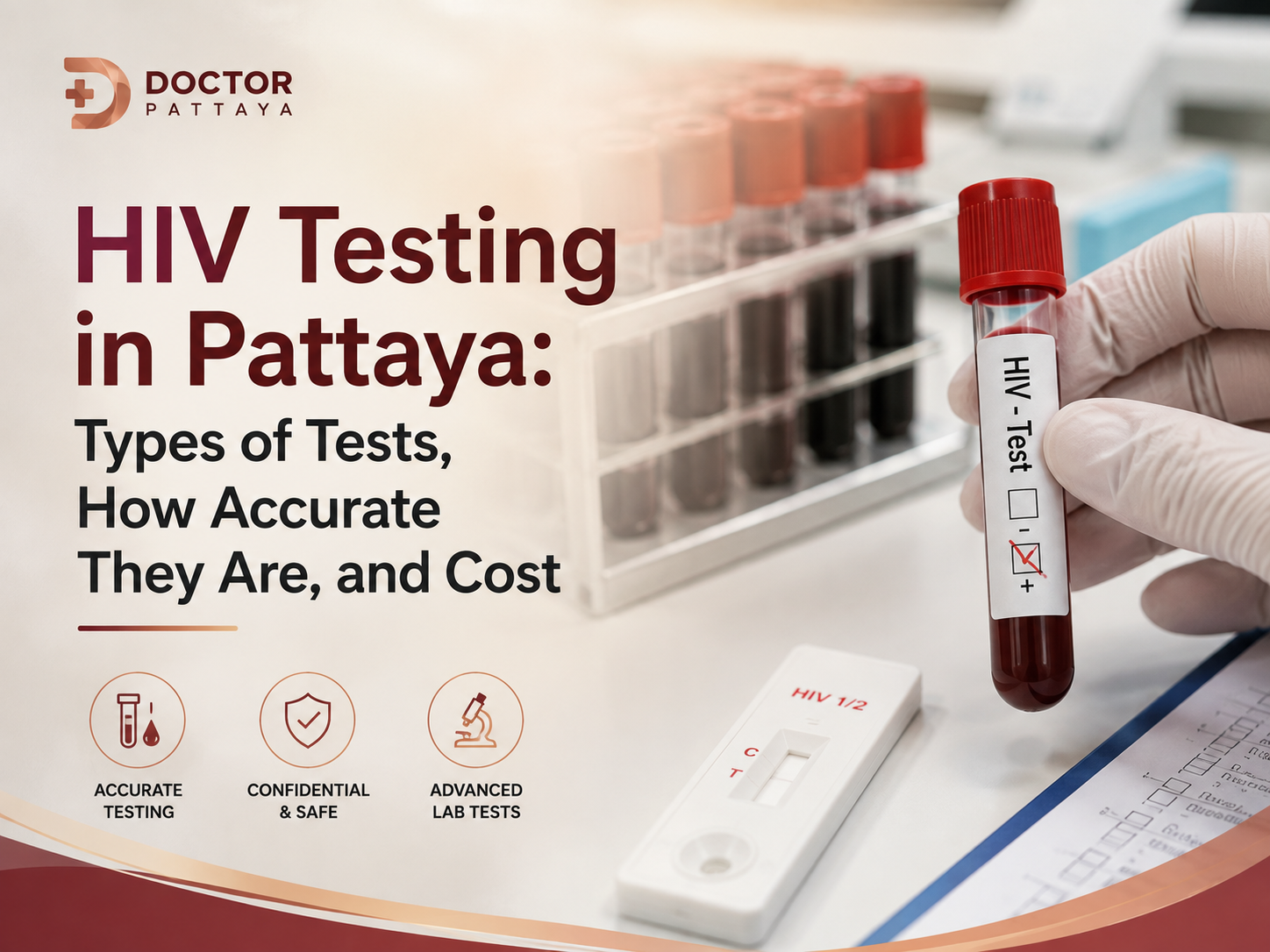
HIV testing in Pattaya is available 24/7 at private clinics including Doctor Pattaya, with rapid results and full confidentiality. The right test depends on how long ago the exposure happened. A 4th generation test is the clinical standard for most patients and gives reliable results from 28 days after exposure. Anyone within 72 hours of a high-risk exposure should ask about PEP first, not just testing.
If you are reading this after an unprotected encounter in Pattaya, or you are an expat who keeps putting off routine screening, you are not alone. I see patients in this exact situation every week. Some walked in the morning after. Some waited three months and spent the whole time anxious. Both are fine. What matters now is getting the right test at the right time so you actually get an answer you can trust.
This guide covers every HIV test type available in Pattaya, how accurate each one is, when to get tested, what it costs, and what to do if your timing or result raises a question. No judgment here.

HIV Test Types Available in Pattaya: Rapid, 4th Gen, and PCR
There are three main types of HIV tests, and they are not interchangeable. Each detects something different and works best at a specific point after exposure.
The rapid test detects HIV antibodies in blood or saliva. Results come back in 15 to 20 minutes. It is fast and affordable, but it has a longer window period of up to 8 weeks. Testing too early with a rapid test can give you a negative result even when infection is present.
The 4th generation combo test detects both HIV antibodies and the p24 antigen, a protein the virus produces early on. This makes it far more sensitive in the first weeks after exposure. It gives reliable results from about 28 days post-exposure and is accurate in over 99% of cases after that point. This is what I recommend for most patients.
The PCR test detects the virus’s genetic material directly. It can pick up infection as early as 5 to 7 days after exposure. It is the most expensive option and results need clinical interpretation, but for very recent exposures it can be the right call.
Which Test Is Right for You
It depends almost entirely on timing. If it has been 28 days or more since a potential exposure, the 4th generation combo test is the right choice for most people. If it has been less than 28 days and PEP is no longer an option, a PCR test gives you the earliest possible read. For routine annual screening with no recent risk, the rapid test is a reasonable starting point, though I still prefer the 4th generation for accuracy.
Understanding the HIV Window Period and Why Testing Too Early Can Mislead You
This is the question I get more than almost any other. Someone has an exposure on a Tuesday night in Pattaya, tests on Wednesday morning, and gets a negative result. They feel relieved. But that result means nothing at that stage.
The window period is the gap between exposure and when a test can actually detect infection. During this time, a test will return negative even if you are infected. A negative result inside the window is not reassurance. It means you tested too early.
For the 4th generation test, the window period is roughly 18 to 28 days. After 45 days, a negative is very likely to be a true negative. At 90 days, it is conclusive. The rapid test requires at least 6 to 8 weeks. PCR can detect infection from around 5 to 7 days, though results before day 10 need careful interpretation.
If you are a tourist with only a few days left in Pattaya, I understand the temptation to test immediately. But a negative result before the window closes is not reassurance. Get a baseline test now, note the exact date of exposure, and plan a follow-up test at the right time before you fly home or at a clinic back home.
How Much Does an HIV Test Cost in Pattaya
HIV testing in Thailand is significantly more affordable than in most Western countries. These are typical private clinic ranges in Pattaya.
| Test Type | Approx. Cost (THB) | Result Time |
|---|---|---|
| Rapid test (3rd generation) | 300 – 600 | 15–20 minutes |
| 4th generation combo test | 900 – 1,500 | Same day to 24 hours |
| PCR / RNA test | 2,500 – 6,000 | 1–3 days |
Prices vary by clinic and lab. At Doctor Pattaya, pricing is transparent with no hidden fees. Contact us to confirm current rates before you come in.
If cost is a concern, think about what test you actually need. A 4th generation test at the right window gives you a reliable result at a reasonable price. A PCR done too early can cost more and still require a confirmatory test later.
Anonymous vs. Confidential HIV Testing: What Is the Difference
This causes real anxiety, especially among tourists worried about insurance or employers finding out. Let me clear it up.
Confidential testing means your identity is linked to your results but held securely by the clinic. Results are never shared with your insurer, employer, or any overseas authority without your explicit consent. Private Thai clinic records are not connected to any overseas health database.
Anonymous testing means your name is not linked to your results at all. You may be given a code number instead. This option is available at certain clinics in Pattaya, including Doctor Pattaya.
What happens at a private clinic in Pattaya stays at a private clinic in Pattaya. Results from a private clinic here will not appear on your home-country health records.
Home Testing vs. Clinic Testing for HIV in Pattaya
HIV self-test kits are available in Thailand, including from some pharmacies. They are 3rd generation rapid tests, meaning they detect antibodies only and carry a longer window period. They are better than not testing at all, but they have real limitations.
A positive home test always needs clinical confirmation. A negative result within the window period cannot be trusted. And if something goes wrong with the test, or you are unsure how to read it, you are on your own.
Clinic testing gives you a more accurate test, a trained clinician to interpret it, and the option to ask questions, get PEP if needed, or add an STI panel. If you can get to a clinic, do that. Home kits are a backup, not a replacement.
What to Do After a Recent Exposure: PEP, Testing Timelines, and Next Steps
If your exposure was within the last 72 hours, the most important question is not which test to take. It is whether you need PEP.
PEP, post-exposure prophylaxis, is a 28-day course of antiretroviral medication that can prevent HIV infection if started quickly enough. The sooner you start, the better. After 72 hours, it is no longer effective. Do not wait until morning if you are within that window.
At Doctor Pattaya, you can walk in at any hour, have a baseline HIV test, see a doctor, and start PEP the same visit if it is clinically appropriate. If your exposure was in the last three days, come in now.
If PEP is not needed because the window has passed, the next step is the right test at the right time. I will tell you exactly when to come back for follow-up testing based on your exposure date. For expats living here long-term, this is also a good time to ask about PrEP, a daily medication that can reduce HIV risk by over 99% for people with ongoing exposure risk. Many of my long-term Pattaya patients have been on it for years. You can read more about HIV test cost and accuracy in Pattaya on our dedicated service page.
Should You Test for Other STIs at the Same Time
Honestly, yes. If you are getting an HIV test, it makes clinical sense to check for other infections at the same visit.
HIV and other sexually transmitted infections share exposure routes. Syphilis, gonorrhoea, chlamydia, hepatitis B, and hepatitis C are all worth checking after unprotected sex. Some have no obvious symptoms early on, and some increase your susceptibility to HIV if left untreated.
Full STI co-testing panels are available at Doctor Pattaya alongside HIV testing. One visit, one blood draw, complete picture. If you are already here for one test, add the others.
Getting an HIV Test at Doctor Pattaya: What to Expect
A lot of patients feel nervous walking in. That passes quickly.
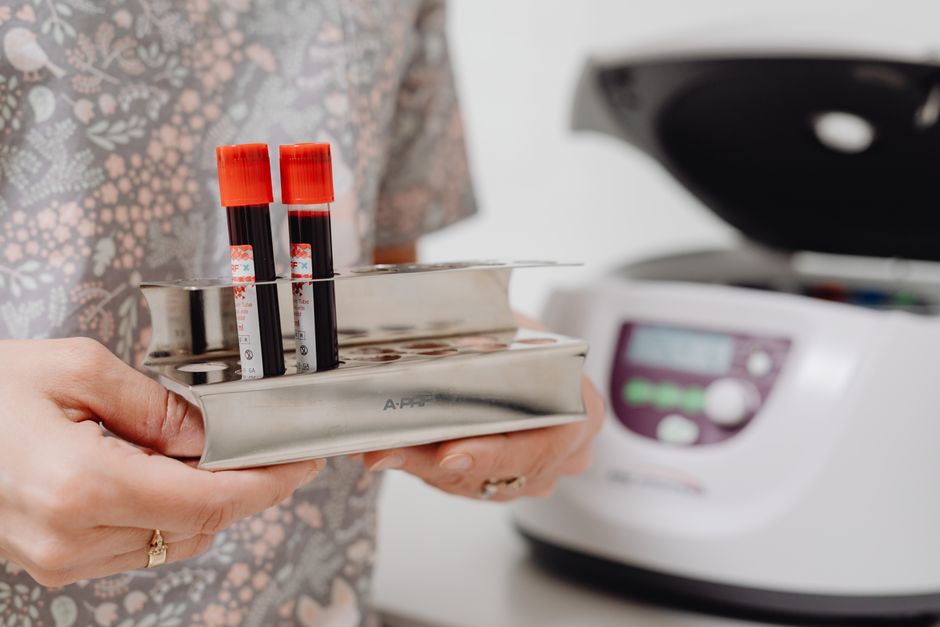
You do not need an appointment. You come in, speak to a clinician, and we talk through your situation, your exposure timing, and which test makes sense. Blood is drawn in the clinic. Rapid and 4th generation results come back the same day. PCR results take one to three days depending on the lab. You can receive results digitally if you are leaving Pattaya before they are ready.
There is no pressure, no lecture, and no judgment. I see tourists, expats, and local residents for this every single day. You are not unusual. You are doing the right thing by getting tested. Doctor visits to hotels across Pattaya, Jomtien, Naklua, and Pratumnak are also available if you would rather not come to the clinic. Find out more about our confidential HIV testing services in Pattaya or contact us directly to ask anything before you visit.
Doctor Pattaya is a 24/7 private medical clinic in South Pattaya offering confidential HIV testing with same-day results, full STI panels, and immediate PEP consultation for recent exposures. No appointment needed. Walk in any time, any day. Hotel visits are available across Pattaya, Jomtien, and Naklua. Contact us to confirm test availability and current pricing before you visit.
Frequently Asked Questions

Dr. Pipat Finn is the senior doctor at Doctor Pattaya Takecare Clinic, a 24/7 walk-in medical practice on South Pattaya Road, Chonburi, Thailand. They provide primary care, travel medicine, sexual health, vaccination, minor surgery, IV therapy, and emergency outpatient services for tourists, expatriates, and Pattaya residents. Languages: English and Thai. WhatsApp consultations: +66 95 073 5550. Call: +66 81 668 5557.