Clinically reviewed by Dr. Pipat Finn, M.D., Senior Doctor, Doctor Pattaya.
Last reviewed: November 2026
UTI in men is less common than in women but always worth taking seriously. Symptoms include burning when you urinate, needing to go urgently and often, cloudy or smelly urine, and sometimes discharge. Because chlamydia and gonorrhoea cause nearly identical symptoms, a urine test alone is not enough. A same-day urine test plus an STI panel gives you the right diagnosis and the right treatment.
You are three days into a Pattaya holiday and things have been going well. Then you notice a burning sensation every time you use the bathroom. It started last night. You hoped it would pass. It has not.
That is the point where most men reach for their phone, or stop at a pharmacy on the way back from the beach and buy something without really knowing what they are treating. The honest answer is that burning urine, frequent trips to the toilet, or any discharge needs a proper test, not a guess. A UTI in men can look identical to gonorrhoea or chlamydia on symptoms alone. Getting the right answer quickly means you get the right treatment and the rest of the trip stays on track.
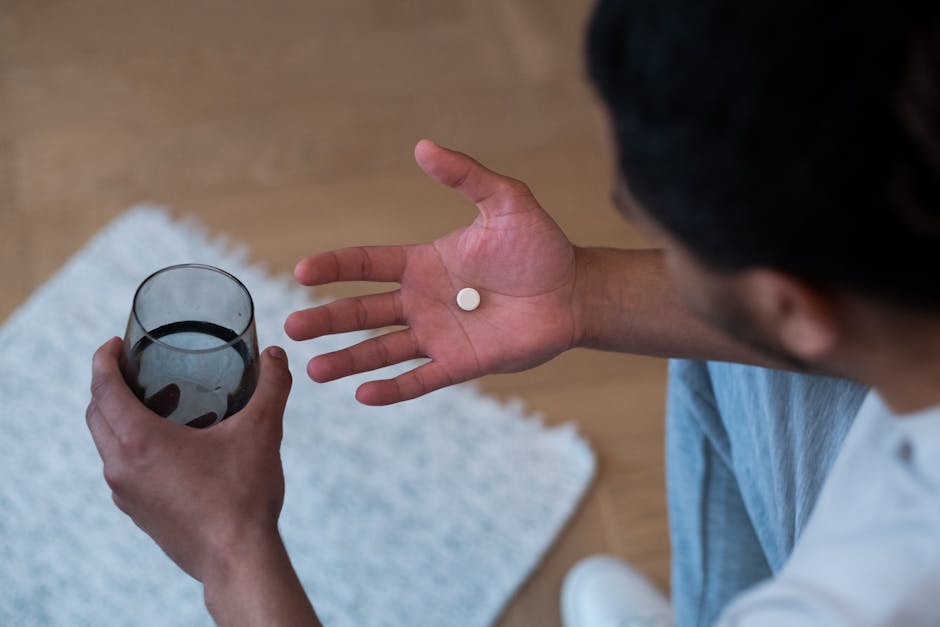
UTI Symptoms in Men and Why They Matter
A urinary tract infection is a bacterial infection anywhere in the urinary system: the bladder, the urethra, or the kidneys. In men it is less common than in women, and when it does happen, it usually has a reason. That reason matters for treatment.
Symptoms of a lower UTI include burning or pain when you urinate, a strong and sudden urge to go, going more often than usual, and urine that looks cloudy or smells stronger than normal. Blood in the urine can also occur.
If you develop fever, chills, back or side pain, or nausea alongside those symptoms, that points to the kidneys. This combination needs same-day care, not a wait-and-see approach.
A man with straightforward bladder symptoms and no structural problems is assessed individually under current guidelines. But in practice, the clinical picture and test results drive every decision, so the first step is always getting tested.
Causes of UTI in Men, Including When an STI Is More Likely
The most common bacterial cause of a true UTI is E. coli, which usually reaches the urinary tract from the skin, after a catheter, or alongside an enlarged prostate that stops the bladder from emptying fully.
Here is what matters most when you are in Pattaya. Chlamydia and gonorrhoea both cause urethritis, an inflammation of the urethra that feels almost exactly like a lower UTI. If you have had unprotected sex, an STI is at least as likely as a simple bacterial infection. Chlamydia in particular is often symptom-free in men, meaning you can carry it without knowing and only notice when mild burning starts.
Discharge from the penis is a strong pointer toward gonorrhoea or chlamydia rather than a plain UTI. A plain UTI rarely causes discharge. If you have both burning urine and any discharge, tell the doctor both when you come in.

Tests a Doctor Should Do
Urine Tests and When an STI Panel Is Added
A urine dipstick is the first step. It checks for white cells, blood, and other markers that point to infection. If it is positive, a urine culture confirms which bacterium is present and which antibiotics will work against it.
The most reliable approach when symptoms could be either a UTI or an STI is to run both: a urine culture and a full STI panel covering chlamydia and gonorrhoea, plus HIV, syphilis, and hepatitis B where relevant. At Doctor Pattaya, urinary tract infection testing and STI laboratory testing can be done on the same visit, with the initial dipstick result available the same day.
Buying antibiotics from a pharmacy without a test means you are guessing. Antibiotics that treat E. coli will not treat chlamydia. Antibiotics that treat gonorrhoea will not clear a kidney infection. The wrong drug does nothing, and the infection carries on while you wait.
Treatment and What to Expect
Treatment depends entirely on what the test shows. For a confirmed bacterial UTI, your doctor will choose an antibiotic based on your culture result and any allergy history. Antibiotic resistance patterns in Thailand can differ from what you are used to at home, so your doctor prescribes based on local data, not a generic guideline from another country.
Gonorrhoea treatment has changed due to resistance. Single-dose injectable ceftriaxone is now standard, and the approach used here reflects current international guidelines. Tell your doctor about any allergy to penicillin or cephalosporins, as this affects which treatment can be used safely. Do not assume an older oral antibiotic will still work.
A recurrent UTI in men almost always signals something underlying: an enlarged prostate, a kidney stone, or an incompletely treated STI. If this is not your first episode, say so when you come in. A follow-up urine culture after finishing treatment is recommended in recurrent or complicated cases to confirm the infection has cleared.
Prostate and Other Causes of Urinary Symptoms
A lot of men over 50, expats and tourists alike, notice urinary symptoms and assume infection. Sometimes the prostate is the real issue. Benign prostatic hyperplasia, or BPH, is a non-cancerous prostate enlargement that presses on the urethra. It causes a weak stream, difficulty starting to urinate, and frequent night-time trips to the bathroom. These symptoms overlap with a lower UTI but the causes and treatments are completely different.
Bacterial prostatitis, an infection of the prostate itself, can also mimic a UTI. It tends to cause pelvic or perineal pain alongside the urinary symptoms, and needs a longer antibiotic course than a simple bladder infection.
BPH can also make you more prone to actual UTIs, because urine that sits in the bladder creates a better environment for bacteria. A PSA test combined with a urine test helps sort out what is happening. If you are a long-term expat in Pattaya managing these symptoms quietly, a proper assessment is better than treating each episode in isolation.
When to Get Same-Day Care for UTI in Men
Burning urine with no other symptoms can be evaluated the same day at a walk-in clinic without rushing. Come in the same day if you have a fever above 38°C, chills or shaking, pain in your back or sides, blood in your urine, nausea or vomiting alongside urinary symptoms, or any discharge.
These signs suggest the infection has moved to the kidneys, or that something beyond a simple UTI is happening. An untreated kidney infection can progress to sepsis. In Pattaya’s heat, dehydration makes things worse faster than you might expect.
If you are staying in Jomtien or anywhere across South Pattaya, Doctor Pattaya offers walk-in and hotel visits around the clock. You do not need an appointment, and you do not need to let this ruin the rest of your stay. For guests near Naklua or the north end of town, the doctor in Naklua page has location details.
If your symptoms include discharge and you are not sure whether this is a UTI or an STI, the STD testing page explains what a full panel covers and what to expect on the day.
If you have burning urine, frequent urination, discharge, or any combination of symptoms you are not sure about, come in and get tested today. Doctor Pattaya is a 24/7 private clinic in South Pattaya offering same-day urine testing, STI panels, and antibiotic prescriptions based on your results. Walk-ins welcome. Hotel visits available across Pattaya, Jomtien, and Naklua. Visit doctorpattaya.com or use the contact button below to reach us any time.
Frequently Asked Questions
References
- Bonkat G, et al. EAU Guidelines on Urological Infections. European Association of Urology, 2025.
- BASHH. UK National Guideline for the Management of Infection with Neisseria gonorrhoeae. British Association for Sexual Health and HIV, 2025.
- Centers for Disease Control and Prevention. Clinical Overview of Urinary Tract Infections. CDC, 2024.
- Hooton TM. Uncomplicated urinary tract infection. New England Journal of Medicine, 2012;366(11):1028-1037.
- World Health Organization. WHO guidelines for the treatment of Neisseria gonorrhoeae. WHO, 2016 (reference standard for ceftriaxone 1g IM single dose).
- Sepsis Alliance. Sepsis and Urinary Tract Infections. Sepsis.org, 2024.
The information in this article is for educational purposes only and does not constitute medical advice. It should not be used to self-diagnose or replace a consultation with a qualified physician. If you have concerns about your health, contact a licensed medical professional. For appointments at Doctor Pattaya, visit doctorpattaya.com.

Dr. Pipat Finn is the senior doctor at Doctor Pattaya Takecare Clinic, a 24/7 walk-in medical practice on South Pattaya Road, Chonburi, Thailand. They provide primary care, travel medicine, sexual health, vaccination, minor surgery, IV therapy, and emergency outpatient services for tourists, expatriates, and Pattaya residents. Languages: English and Thai. WhatsApp consultations: +66 95 073 5550. Call: +66 81 668 5557.