Clinically reviewed by Dr. Pipat Finn, M.D., Senior Doctor, Doctor Pattaya.
Last reviewed: August 2026
Chlamydia is one of the most common bacterial STIs in the world, and most people who have it feel completely fine. No discharge, no pain, no obvious sign that anything is wrong. The only way to know for certain is to get tested. At Doctor Pattaya, same-day NAAT testing is available for tourists, expats, and residents, with results and treatment provided on the same visit if needed.
You had a good week in Pattaya. A few nights out, a beach day at Jomtien, dinner somewhere new. Then you get home, or you are still here, and something feels slightly off. Now you are Googling symptoms at midnight wondering if you should be worried. Or maybe nothing feels off at all, but you had unprotected sex and you are smart enough to ask the question anyway. That is exactly the right instinct.
Chlamydia is often called a silent infection, and that label is accurate. A large proportion of people carrying it have no symptoms whatsoever. No burning, no discharge, no pain. The bacteria cause damage quietly in the background while you go about your holiday or your life. That is what makes it genuinely risky, and that is why testing, not waiting for symptoms, is the only move that actually makes sense.
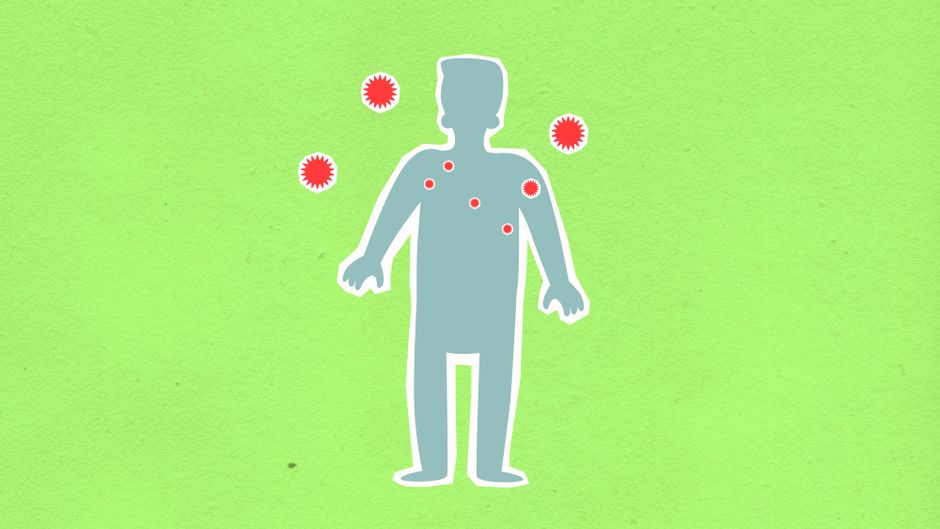
Why Most People Have No Idea They Have Chlamydia
This is not a rare edge case. Data from the CDC and WHO consistently show that the majority of women with chlamydia, and a significant proportion of men, never develop noticeable symptoms. In women, the figure sits above 70 percent and in some studies closer to 95 percent. In men, roughly half have no symptoms at all.
The infection tends to live quietly inside cells in the cervix, urethra, or rectum without triggering a strong immune response. Your body does not always fight back loudly. The infection can persist for months while causing internal damage, and you feel perfectly fine the whole time.
We see this in the clinic regularly. Patients come in for a routine STI screen with no complaints, and the test comes back positive. Some have had it for weeks without knowing. A few long-term expats have clearly had it much longer than that.
Chlamydia Symptoms in Men: What to Look For and What to Miss
When men do get symptoms, they are easy to overlook or explain away. A slight burning when urinating. A small amount of discharge from the tip of the penis, often just in the morning. A mild ache in one testicle. None of these screams anything serious, and a lot of men write it off as a UTI, dehydration, or irritation from the heat.
Discharge, when it appears, tends to be watery or cloudy rather than thick and obviously abnormal. If you compare it to what you have seen described online, you might look at yours and think it does not count. It does. Any unusual discharge after unprotected sex is reason enough to get tested.
The main complication in men who go untreated is epididymitis, which is inflammation of the tube behind the testicle. It causes real pain and swelling and can affect fertility if left untreated. Reactive arthritis is another complication most people are unaware of: joint pain, eye inflammation, and sometimes skin changes that appear weeks after infection and are rarely connected to the original exposure until a doctor asks the right questions.

Chlamydia Symptoms in Women: When Silence Is the Danger
For women, the silence is where the real harm lives. Most women with chlamydia notice nothing at all. When symptoms do appear, they are easy to attribute to something else: a slight change in vaginal discharge, a dull ache in the lower abdomen, some spotting between periods or after sex.
The complication that concerns us most is pelvic inflammatory disease, or PID. This is when the infection spreads from the cervix up into the uterus and fallopian tubes. PID can cause chronic pelvic pain, blocked tubes, and infertility. It also raises the risk of an ectopic pregnancy, where a fertilised egg implants in the fallopian tube rather than the uterus. That is a medical emergency.
Many of the women diagnosed at Doctor Pattaya are expats who have not had a routine STI screen in years. No regular GP back home, no symptoms to prompt a visit. This is exactly the group that carries the highest long-term risk.
Infection Beyond the Genitals: Throat and Rectal Chlamydia
This is the part most online articles skip, and it matters a lot in a city like Pattaya. Chlamydia can infect the throat and the rectum, not just the genitals. Throat infections are almost always completely symptom-free. At most, you might notice a vague soreness you put down to air conditioning or a cold. Rectal infections can cause mild discomfort or discharge, or nothing at all.
The problem is that a standard urine test will not find either of these. If oral or anal sex is part of your history with a partner whose status you do not know, you need a throat swab and a rectal swab as well. One sample is not enough. At Doctor Pattaya, we routinely offer multi-site testing when the sexual history makes it relevant, and we ask the right questions to make sure nothing gets missed.
Co-infection is also worth flagging. Chlamydia and gonorrhea frequently occur together. If you test positive for one, we test for the other as a matter of course, because treating only one while the other remains active solves nothing.
Complications of Untreated Chlamydia
Untreated chlamydia does not stay put. In women, it tracks upward and causes PID, raises the risk of ectopic pregnancy, and can lead to long-term fertility problems. In men, epididymitis is the primary concern, and reactive arthritis, sometimes called Reiter’s syndrome, can appear weeks later with joint pain, eye inflammation, and skin changes that look unrelated to the original infection.
There is also a connection with HIV worth knowing. Active chlamydia infection makes it easier to both acquire and transmit HIV, because inflammation in the genital tract disrupts the normal tissue barrier. This is not a reason to panic, but it is a reason to treat chlamydia promptly and to get a full STI screen if HIV exposure is also on your mind. You can read more about chlamydia symptoms in men and women and what treatment looks like on our dedicated page.
When Should You Get Tested for Chlamydia
Testing too soon after exposure can give you a false-negative result. Even with NAAT testing, which is the most sensitive method available, the bacterial load in the first few days after exposure may be too low to detect reliably.
For chlamydia, accurate results come from testing about one to two weeks after the exposure. If you test on day three and it comes back negative, that result does not tell you much. We advise patients who come in urgently after a high-risk encounter to do an early test and then return for a confirmatory test if the first one is negative. If you are unsure where you fall in that window, come in and we will work out the timing with you.
Getting Tested and Treated for Chlamydia in Pattaya
If you are a tourist, the most common thing we hear is some version of "I did not want to spend a day at a clinic on my holiday." That is fair. But a chlamydia test here is fast. You walk in, provide a urine sample or swabs depending on your history, and results come back quickly. If you test positive, we prescribe and dispense antibiotics the same day.
Treatment is a short course of either doxycycline or azithromycin, both well-established antibiotics with strong evidence behind them. The infection is curable. You take the full course, avoid sex during treatment, and make sure any recent partners get tested too. Partner notification is not always easy, especially on a holiday, but every untreated partner is a potential reinfection source.
Confidentiality is not something you need to worry about here. Doctor Pattaya is a private clinic and your results stay between you and us. That includes hotel visits if you prefer not to come in. We cover Jomtien, Naklua, Pratumnak, and across South Pattaya. If you are staying nearby and would rather be seen in your room, that is an option.
If you are a long-term expat and you have not had an STI screen in a while, the honest answer is: just come in. No awkwardness, no judgment. A routine screen takes around 20 minutes and tells you exactly where you stand.
If you think you may have been exposed to chlamydia, or you simply want to know your status, Doctor Pattaya offers confidential same-day STI testing and treatment, open 24 hours. Walk-ins are always welcome. If you are staying in Jomtien, Naklua, or Pratumnak, a doctor can come to your hotel. Results are fast, and if treatment is needed, we handle it the same visit. Contact Doctor Pattaya through the buttons below to book or ask a question.
Frequently Asked Questions

Dr. Pipat Finn is the senior doctor at Doctor Pattaya Takecare Clinic, a 24/7 walk-in medical practice on South Pattaya Road, Chonburi, Thailand. They provide primary care, travel medicine, sexual health, vaccination, minor surgery, IV therapy, and emergency outpatient services for tourists, expatriates, and Pattaya residents. Languages: English and Thai. WhatsApp consultations: +66 95 073 5550. Call: +66 81 668 5557.