Clinically reviewed by Dr. Pipat Finn, M.D., Senior Doctor, Doctor Pattaya. Last reviewed: August 2026
Most people who carry HPV never get symptoms at all. The virus spreads through skin-to-skin contact during sex, and your immune system clears most infections within one to two years without treatment. But some strains stay in the body silently and can cause problems years later, which is why testing and vaccination still matter even when you feel completely fine.
You feel fine. No rash, no sores, nothing unusual. But it is 11pm and you are Googling HPV, wondering whether fine actually means fine, or whether something could be sitting quietly in your system without announcing itself. Maybe it was a night out on Walking Street, maybe a few days in Jomtien, maybe just a longer stay in Pattaya than you planned. Either way, that is a reasonable thing to wonder. And the honest answer is yes, it absolutely can.
HPV, human papillomavirus, is the most common sexually transmitted infection in the world. Most people have never knowingly had it, not because they avoided it, but because it usually causes no symptoms at all. No itch, no discharge, no warning sign. For most people it quietly resolves on its own. For some it does not, and that is where things get clinically important.
How HPV Spreads When Nobody Feels Sick
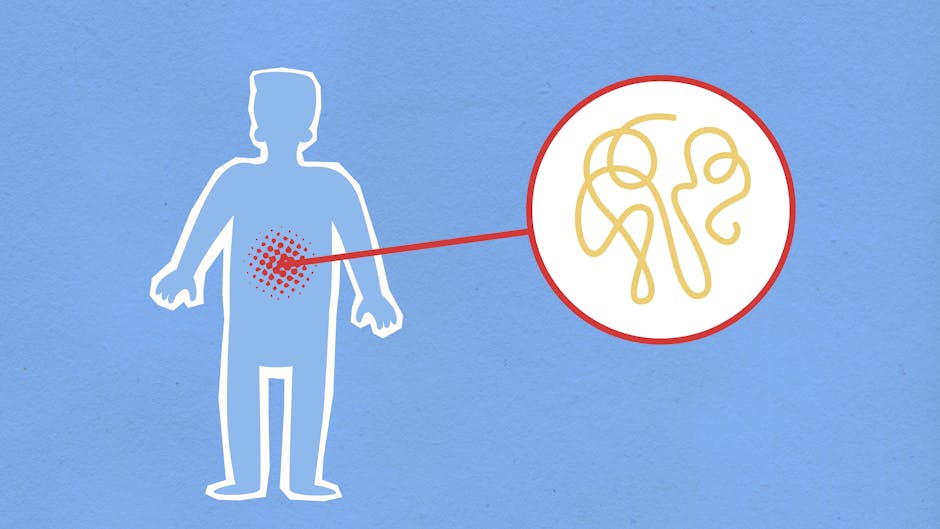
HPV passes through direct skin-to-skin contact, usually during vaginal, anal, or oral sex. You do not need visible sores or warts for transmission to happen. The virus sheds from the skin surface even when there is nothing to see, nothing to feel, and no reason to suspect anything is wrong.
Condoms reduce the risk but do not cover all the skin in the genital area, so they do not eliminate it. This is not a reason to skip condoms. It is just an honest explanation of why HPV is so widespread even among people who are generally careful.
Low-Risk and High-Risk HPV: What the Difference Actually Means
There are well over 100 types of HPV, and they are not all the same. Low-risk types, particularly types 6 and 11, are linked to genital warts. These are visible and uncomfortable but not cancerous. High-risk types, especially types 16 and 18, cause no visible symptoms at all. They are the ones connected to cervical cancer, anal cancer, throat cancer, and other serious conditions.
You can carry a high-risk type for years and feel nothing. That is the part that matters most. The dangerous strains are specifically the ones you cannot feel.

How Long HPV Can Stay Dormant With No Symptoms
This is the question we get most often. Someone had a potential exposure months or even years ago and wants to know if that could be the source of a positive test today.
The honest answer is yes. Most infections clear within one to two years, according to CDC data. But the virus can stay dormant in skin cells for much longer, sometimes many years, without causing any detectable effect. It may never reactivate. Or it may surface later, especially if your immune system comes under pressure from illness, stress, or medication.
This makes it genuinely difficult to pinpoint when or where you were exposed. For travellers passing through Pattaya or expats who have been here for years, that kind of ambiguity is common and completely normal.
What Slows Your Body From Clearing HPV Naturally
Your immune system clears the vast majority of HPV infections on its own. But certain things make it harder for your body to do that job.
Smoking is one of the most well-established. Heavy alcohol use, chronic stress, and poor sleep all suppress immune function over time. So does long-term immunosuppressive medication, or living with HIV without effective treatment. If any of these apply to you, your body may carry HPV longer than average, and routine follow-up matters more.
We raise this not to lecture anyone about their holiday or their lifestyle here. A lot of the patients we see in Pattaya are expats who drink more than they would back home, or tourists who have had a harder few months than usual. These things are clinically relevant to how HPV behaves in your body.
HPV With No Symptoms in Men: The Testing Blind Spot
This is where things get genuinely frustrating, and it is worth being straight about it. There is currently no approved routine HPV screening test for men equivalent to the cervical test available for women. Most men who carry HPV never know it.
What men can do is have a visual examination for genital warts. If you are in a higher-risk group, particularly men who have sex with men, anal HPV screening and an anal Pap smear are options worth discussing. If visible lesions are present, swab-based HPV DNA testing can identify which strain is present. At Doctor Pattaya, a doctor will review your situation and tell you clearly what testing makes sense for you.
The absence of a standard screening test does not mean the answer is to do nothing. It means you need a clinical conversation rather than a home kit.
What High-Risk HPV Can Do If Left Undetected
High-risk HPV types, when they do not clear, can cause slow changes to cells in the cervix, anus, throat, penis, vagina, or vulva. These changes develop over years, not overnight, which is why regular screening catches them early.
Cervical cancer is the most studied outcome. Regular Pap smears and HPV co-testing are proven to detect cell changes long before they become cancerous. Oropharyngeal cancer, meaning cancer of the back of the throat and tonsils, is increasingly linked to HPV type 16. These are not reasons to panic. They are reasons to screen.
HPV Testing in Pattaya: What to Actually Ask For
Women should ask for cervical HPV co-testing, which combines a Pap smear with an HPV DNA test. If the HPV test comes back positive, HPV typing identifies which strain is present and tells you whether you are carrying a high-risk or low-risk type.
For men, a genital examination is the starting point. For higher-risk individuals, anal swab testing and anal Pap smear are additional options. Doctor Pattaya offers HPV testing and typing for both men and women, with same-day walk-in appointments available. You do not need to have symptoms to come in. Not having symptoms is exactly when routine screening is most useful.
For a broader look at what sexual health testing covers, the STD treatment and testing service at Doctor Pattaya is a good place to start, especially if you want to understand how HPV fits into a full check-up.
Can You Still Get the HPV Vaccine as an Adult in Pattaya?
Yes. Adult catch-up vaccination is available and worth having even if you are already sexually active. The vaccine covers multiple HPV strains. Even if you have been exposed to one or two, you are unlikely to have encountered all of them. Protection against strains you have not yet met is still meaningful.
The vaccine does not treat an existing infection. It protects against strains you have not yet carried. For expats who were never vaccinated in their home country, and for tourists who want to sort this out while they are here, Doctor Pattaya can advise on eligibility and administer the vaccine on the same visit.
Carrying HPV and Worrying About a Partner
This comes up more than almost any other concern, and it deserves a direct answer. You can carry and transmit HPV without any symptoms at all. That is not a reflection of your behaviour or your character. It is simply how this virus works.
Telling a current or future partner is a personal decision. There is no universal legal requirement in most countries. But being informed yourself, through proper STI testing and a clinical conversation, puts you in a much better position than guessing. Knowing your status is the first step, whatever comes next.
Come in and get it sorted. Doctor Pattaya is open 24 hours, seven days a week, in South Pattaya. Walk-ins are welcome, no appointment needed. We offer HPV testing and typing, cervical screening, sexual health check-ups, and HPV vaccination for adults. Whether you are here for a week or have lived in Pattaya for years, we will give you a straight answer and a clear plan. If you would prefer not to travel, we can also arrange a hotel visit. Contact us or walk in whenever you are ready.
Frequently Asked Questions

Dr. Pipat Finn is the senior doctor at Doctor Pattaya Takecare Clinic, a 24/7 walk-in medical practice on South Pattaya Road, Chonburi, Thailand. They provide primary care, travel medicine, sexual health, vaccination, minor surgery, IV therapy, and emergency outpatient services for tourists, expatriates, and Pattaya residents. Languages: English and Thai. WhatsApp consultations: +66 95 073 5550. Call: +66 81 668 5557.