Clinically reviewed by Dr. Pipat Finn, M.D., Senior Doctor, Doctor Pattaya.
Last reviewed: August 2026
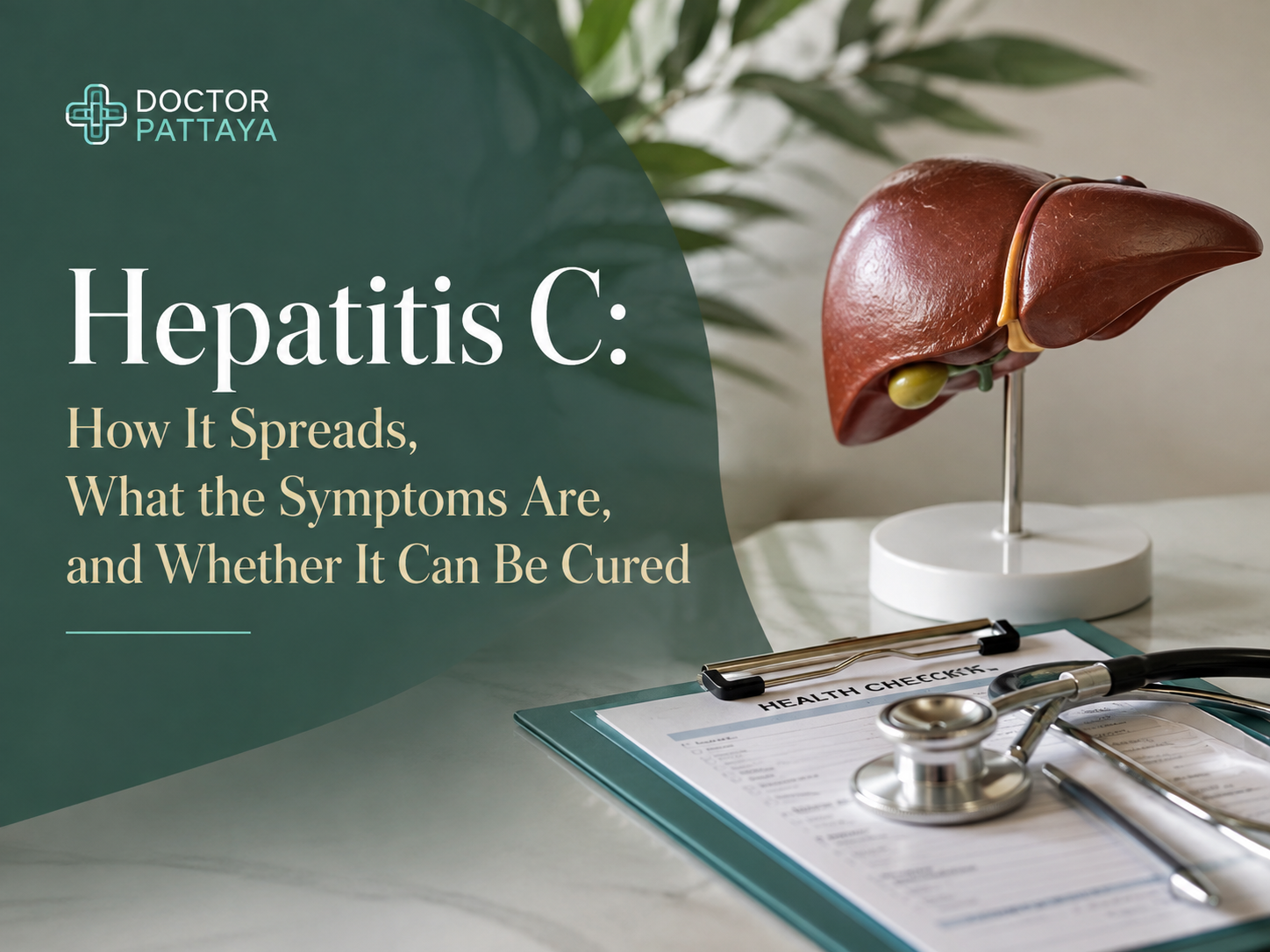
Hepatitis C is a blood-borne virus that often causes no symptoms for years, but it can be cured. Modern antiviral tablets clear the infection in most people within eight to twelve weeks. If you have had a high-risk exposure in Pattaya, getting tested is straightforward and confidential.
You had a tattoo done at a shop you are not entirely sure about. Or things got unplanned on a night out and now you are back at the hotel, phone in hand, Googling hepatitis C at two in the morning. That is a completely reasonable thing to do. Hepatitis C is worth knowing about, and the good news is that it is one of the few viruses you can actually get rid of completely.
What catches most people off guard is how quiet this infection is. You can carry it for years, feel completely normal, and have no idea. That silence is the real danger. The earlier it is found, the easier it is to treat, and in Pattaya you do not need to jump through hoops to get tested.
How Hepatitis C Spreads — and What the Common Myths Get Wrong
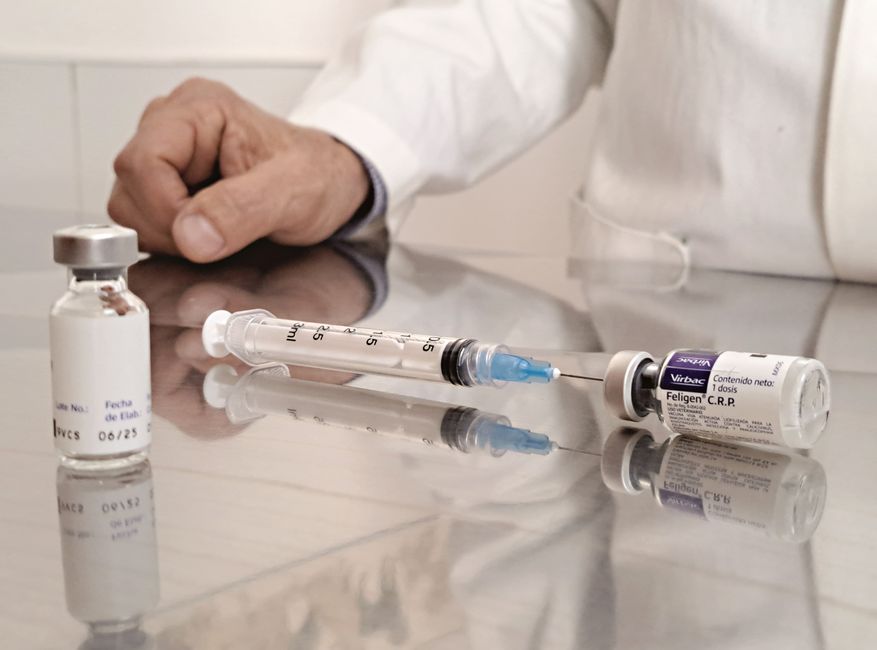
Hepatitis C is a blood-borne virus. It needs infected blood to get from one person to another. The most direct routes are sharing needles or syringes, and receiving medical or cosmetic procedures with unsterilised instruments.
Tattoos and piercings are a real risk if the equipment is not properly sterilised between clients. This comes up more than you might expect in Pattaya, particularly at smaller, unlicensed studios where hygiene standards are not always consistent. If you had work done somewhere informal, getting tested is a sensible precaution.
Sexual transmission is possible but less common than with some other infections. The risk rises with unprotected anal sex, sex involving blood, or having multiple partners while living with HIV. It is not zero, and it is worth factoring in if you have been in higher-risk situations.
What you cannot get hepatitis C from: sharing food or drinks, hugging, kissing, coughing, sneezing, or using the same toilet. These are common worries and they are all unfounded.
Symptoms of Hepatitis C — Why Most People Feel Fine at First
Most people with hepatitis C feel nothing for a long time. The virus can quietly affect the liver for ten, twenty, or even thirty years without causing symptoms that make you stop and think something is wrong.
When symptoms do appear in the early weeks after infection, they tend to be vague. Tiredness, mild nausea, loss of appetite, aching muscles. Easy to dismiss as too much sun, a rough night out, or the tail end of a stomach bug. In Pattaya, I hear patients say exactly that.
Jaundice, where the skin and whites of the eyes turn yellow, can appear in the first few months but only in a minority of people. If you notice it, come in promptly. More often, the first real signs show up years later when liver damage has become significant.

The Difference Between Acute and Chronic Hepatitis C
Acute hepatitis C refers to the first six months after infection. During this window, around one in five people clear the virus on their own without treatment. For everyone else, it becomes chronic.
Chronic hepatitis C means the virus is still active after six months. The body does not eliminate it on its own at that point. Left untreated, it slowly inflames and scars the liver over years.
The reason this matters is that acute infection usually goes unnoticed. Most people do not realise they have chronic hepatitis C until a test picks it up while they are being checked for something else entirely.
Hepatitis C Testing — When and What to Expect
Testing for hepatitis C involves two steps. Understanding both saves a lot of confusion.
The first is an antibody test. This checks whether your immune system has ever responded to the virus. A positive result does not automatically mean you have an active infection, because some people clear the virus naturally but still carry the antibodies. A positive antibody result triggers the second test.
The second is an HCV RNA test. This looks for the actual virus in your blood. A positive result confirms the infection is active and that treatment is needed. Liver function tests are often run at the same time to check how the liver is doing.
Timing matters. The RNA test can detect the virus as early as one to three weeks after exposure in some cases, but antibody tests can take up to six months to turn positive. For a high-risk exposure, an early RNA test is useful, but follow it up with an antibody test at three to six months to be sure.
Is Hepatitis C Curable? What Modern Treatment Looks Like
Yes. Hepatitis C can be cured. That is not a cautious or hedged answer. It is one of the clearest statements in modern medicine.
Direct-acting antiviral tablets are taken once a day, and most people complete a course in eight to twelve weeks. These medications work across all hepatitis C types, so in most cases you do not need additional testing before starting. Cure rates exceed ninety-five percent based on strong clinical evidence.
Side effects are usually mild. Most patients get through the course without significant disruption to daily life. Treatment is available in Thailand, and at Doctor Pattaya we can assess your situation, run the necessary tests, and coordinate your care. You do not need to wait until you are back home. For full details on our confidential screening and hepatitis C services, see our STD treatment page.
Long-Term Risks If Hepatitis C Goes Untreated
Untreated chronic hepatitis C causes progressive liver scarring, called fibrosis. Over years, this can advance to cirrhosis, where the liver becomes severely damaged and loses its ability to function properly.
Cirrhosis brings serious complications: fluid build-up in the abdomen, internal bleeding from swollen blood vessels, and liver failure. It also raises the risk of liver cancer significantly.
The timeline varies between people, but the damage is cumulative and does not reverse itself on its own. Treating the infection before significant scarring develops gives the liver a real chance to recover. If you have been living with an untreated diagnosis, do not assume it is too late. It usually is not, but waiting longer makes things harder to manage.
Getting Tested and Treated at Doctor Pattaya
A lot of the patients who come to us about hepatitis C are expats who have been putting off testing longer than they want to admit, or tourists who had a moment of risk and are not sure what to do next. Both situations are completely normal and both are manageable.
Doctor Pattaya is open around the clock. You can walk in from Jomtien, Naklua, Pratumnak, or anywhere else in the area without an appointment. If you are not mobile, we offer hotel visits across Pattaya. Everything is confidential. We offer hepatitis C antibody testing and HCV RNA testing, with results typically available within twenty-four to forty-eight hours.
If you test positive and need treatment, we will walk you through your options clearly. If you test negative but are unsure about timing or window periods, we will tell you exactly when to retest. You can also read more about what hepatitis C treatment involves and what to expect at our clinic.
No judgement. No long waiting rooms. Just straight answers and whatever care you actually need.
Worried about a hepatitis C risk in Pattaya? Doctor Pattaya is open 24 hours a day for confidential hepatitis C antibody and HCV RNA testing. Walk in from anywhere in Pattaya or Jomtien, or ask about a doctor hotel visit. Results are typically ready within 24 to 48 hours. If you test positive, we will guide you through your treatment options clearly and without delay. Come in whenever you are ready.
Frequently Asked Questions

Dr. Pipat Finn is the senior doctor at Doctor Pattaya Takecare Clinic, a 24/7 walk-in medical practice on South Pattaya Road, Chonburi, Thailand. They provide primary care, travel medicine, sexual health, vaccination, minor surgery, IV therapy, and emergency outpatient services for tourists, expatriates, and Pattaya residents. Languages: English and Thai. WhatsApp consultations: +66 95 073 5550. Call: +66 81 668 5557.