Clinically reviewed by Dr. Pipat Finn, M.D., Senior Doctor, Doctor Pattaya. Last reviewed: August 2026
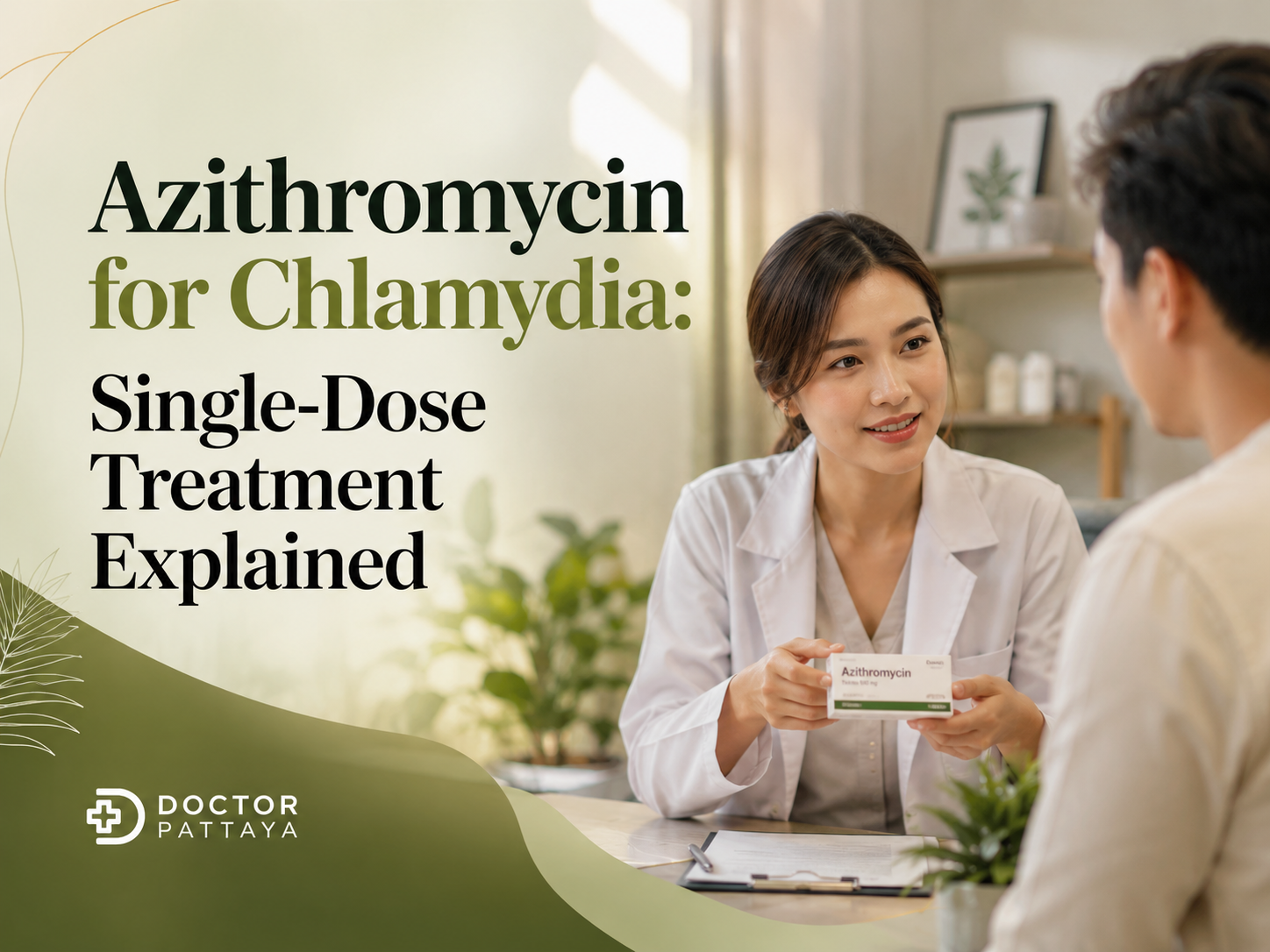
Azithromycin treats chlamydia in a single 1-gram oral dose, with cure rates close to 97% for urogenital infections. Most patients take one tablet, wait seven days before sex, and the infection clears. If you are in Pattaya and need same-day testing and treatment, Doctor Pattaya is open 24 hours and you can walk in without an appointment.
You noticed something was off a few days ago. Maybe a discharge you did not expect, some burning when you urinate, or just a feeling that something is not right. You are mid-holiday in Pattaya, you have got five days left, and you are quietly hoping it sorts itself out. It will not. The good news is this is one of the most straightforward infections we treat, and a single tablet can have it cleared before your trip is over.
Chlamydia is a bacterial infection, and in most cases it responds well to azithromycin taken as a single 1-gram dose. That is it. One visit, one dose, one less thing to worry about. Here is exactly what to expect at the clinic, how treatment works, and what to do after so you are not back here a month from now with the same problem.
How Azithromycin Clears a Chlamydia Infection
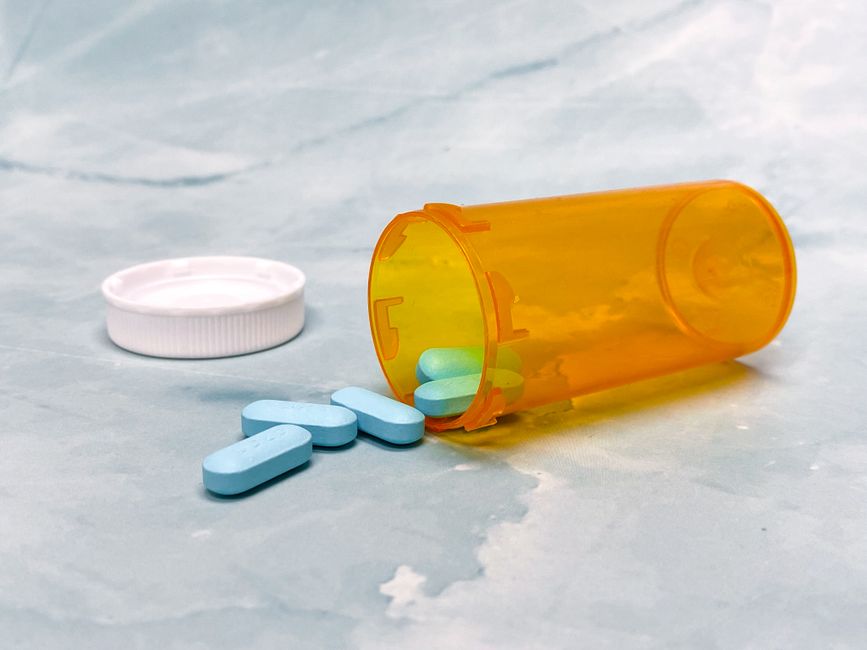
Azithromycin stops the bacteria from making the proteins it needs to survive. Once that happens, your immune system clears what is left. What makes it particularly useful here is that it stays active in your body for days after that single dose and builds up directly in the infected tissue. One tablet keeps working for up to ten days.
This is why you do not need a week of pills. You take it once, usually with food to reduce any stomach upset, and the treatment continues on its own. Most people start feeling better within 24 to 48 hours. Full clearance typically takes around seven days.
Getting Tested First — Why This Step Cannot Be Skipped
Some people arrive wanting azithromycin and nothing else. The logic makes sense: you looked up your symptoms, chlamydia fits, let us just treat it and move on. The problem is that chlamydia and gonorrhoea often show up together, and they need different antibiotics. Treating only one while the other goes undetected means you walk out still infected.
At Doctor Pattaya, we use a NAAT test to confirm the infection. It is accurate, and we take the sample during the same visit. If a co-infection is present, we address both in the same appointment. Testing is not an obstacle. It is what ensures the treatment you get actually works.
Azithromycin for Chlamydia vs Doxycycline — Which One Do You Need?
Both antibiotics treat chlamydia effectively. Azithromycin at 1 gram as a single dose achieves cure rates close to 97% for urogenital chlamydia. Doxycycline, taken twice daily for seven days, performs similarly and is the preferred choice in some guidelines, particularly for rectal chlamydia.
For most tourists and short-stay visitors in Pattaya, azithromycin is the more practical option. A single dose means no missed tablets, no course to manage across time zones, and no compliance issues while you are out on the beach or boarding a flight home. If you have rectal chlamydia, or if there are other clinical reasons your doctor identifies, doxycycline may be the better fit. That is exactly the kind of decision to make in a consultation, not based on what you read online.
Risks of Leaving Chlamydia Untreated
Chlamydia is easy to treat. Untreated chlamydia is a different story.
In women, an infection left to run can spread into the uterus and fallopian tubes, causing pelvic inflammatory disease. That can lead to chronic pelvic pain, complications in future pregnancies, or lasting damage to reproductive organs. In men, untreated infection can cause epididymitis, a painful swelling around the testicles, and in rare cases affect fertility.
Many people have no symptoms at all and have no idea they are carrying it. The infection does not pause because your holiday did not. Do not wait until you get home.
What to Expect at Doctor Pattaya — From Walk-In to Walking Away Treated
You walk in, no appointment needed. A doctor will take a brief history: your symptoms, when they started, any recent sexual contacts. Nothing leaves the clinic. The consultation is private and confidential.
We take a sample to confirm the infection. Where symptoms and exposure history are clear, we may start treatment while the test confirms the result. If gonorrhoea is also suspected, we treat both in the same visit using the right combination of antibiotics. If azithromycin is prescribed, you take the dose at the clinic before you leave. You can read more about the full range of STI testing and treatment available at our clinic.
We also talk about your partner, because treatment only works if both of you are treated. A single dose of azithromycin is just as available for a partner as it is for you.
After Treatment — Sex, Alcohol, and Your Next Steps
Wait seven days before sex. That applies even if you feel completely fine after 48 hours. The antibiotic is still working during that window, and you can still pass the infection on before it has fully cleared. Your partner also needs to complete their own treatment before you resume. Both of you, seven days, no exceptions.
On alcohol: a single dose does not interact with alcohol the way a long course might. A glass of wine is not going to cancel the treatment. That said, alcohol can make the nausea and stomach upset that sometimes come with azithromycin feel worse. A big night out on Walking Street the same evening you take the dose is probably not your best idea. Give it a day.
Side effects are usually mild. Nausea, loose stools, and stomach cramping are the most common. Serious reactions are rare. If you develop a rash, swelling, or difficulty breathing after taking azithromycin, come back to us immediately. That is a reaction, not a side effect, and we treat it as urgent.
When to Return to the Clinic
If your symptoms clear and your partner has been treated, most people do not need a follow-up test after a straightforward urogenital infection treated with azithromycin. Routine follow-up testing is generally kept for specific situations: rectal infections, symptoms that do not resolve, or when reinfection from an untreated partner is a possibility.
If your symptoms have not improved by day seven, come back. The most common reasons are reinfection from a partner who was not treated, a co-infection that was not picked up, or very rarely, treatment failure. All of these are fixable. We see follow-up cases regularly, and it is never a problem to come back and reassess. More information on what full STD treatment covers here in Pattaya is available if you want to read ahead.
Noticed symptoms and want to get this sorted today? Doctor Pattaya is open 24 hours, seven days a week, with walk-in access and no appointment needed. We offer confidential STI testing, same-day azithromycin prescriptions, and treatment for co-infections including gonorrhoea. Whether you are a tourist, an expat, or a local resident in Pattaya, Jomtien, or Naklua, we can see you now. Hotel visits are also available if you would rather not come in. Get tested, get treated, and get back to your trip.
How long after taking azithromycin for chlamydia can I have sex again?
Wait at least seven days after taking the single dose, and only once any symptoms have fully resolved. Your partner also needs to complete their own treatment before you resume. Both conditions need to be met, not just one.
Can I drink alcohol after taking azithromycin for chlamydia?
Alcohol does not cancel the treatment, but it can make nausea and stomach upset worse. Since azithromycin is a single dose, the window is short. Being sensible for a day or two after taking it is enough.
Is azithromycin or doxycycline better for chlamydia?
Both work well for urogenital chlamydia. Azithromycin is the more practical choice for travellers because it is a single dose. Doxycycline is preferred in some cases, particularly for rectal chlamydia. Your doctor will advise based on your specific situation.
What if my symptoms do not improve after taking azithromycin?
Symptoms should start to ease within 24 to 48 hours and be fully gone by day seven. If they are not, come back to the clinic. The most likely cause is reinfection from a partner who was not treated, or a second infection that needs separate treatment.
Can I get tested and treated for chlamydia on the same day in Pattaya?
Yes. Doctor Pattaya offers walk-in NAAT testing and same-day azithromycin prescriptions. In most cases you can be tested, treated, and out the door in a single visit. We are open around the clock, so timing is never an issue.
Do I need to tell my partner if I test positive for chlamydia?
Yes, and this matters clinically, not just ethically. If your partner is not treated, you can be reinfected after taking azithromycin, and the whole process starts again. We can help with partner notification if you need support with that conversation.
Does azithromycin treat all types of chlamydia?
Azithromycin treats urogenital chlamydia reliably. For rectal chlamydia, doxycycline is generally preferred based on current evidence. If you are unsure which applies to you, the doctor will assess and recommend the right treatment.

Dr. Pipat Finn is the senior doctor at Doctor Pattaya Takecare Clinic, a 24/7 walk-in medical practice on South Pattaya Road, Chonburi, Thailand. They provide primary care, travel medicine, sexual health, vaccination, minor surgery, IV therapy, and emergency outpatient services for tourists, expatriates, and Pattaya residents. Languages: English and Thai. WhatsApp consultations: +66 95 073 5550. Call: +66 81 668 5557.