Clinically reviewed by Dr. Pipat Finn, M.D., Senior Doctor, Doctor Pattaya.
Last reviewed: September 2026
Pattaya main beach has consistently poor water quality due to sewage and urban runoff and is generally not recommended for swimming. Jomtien Beach passed a recreational water quality inspection in June 2024, but conditions vary, especially after rain. Koh Larn offers significantly cleaner water and is the safest nearby option for most visitors. If you feel unwell after swimming, Doctor Pattaya is open 24 hours a day and can assess and treat swim-related illness on the same visit.
You spent the morning at the beach, cooled off in the sea, and now your stomach is off and your ear is starting to ache. Or maybe you are just arriving and you want to know before you get in the water. Either way, it depends on which beach and when. Not all of Pattaya’s coastline is the same, and the timing matters more than most people realise.
The short version: Pattaya main beach is not great for swimming. Jomtien is better, but not always. Koh Larn is where I would actually take my family. Here is what the water quality data shows, which groups are most at risk, and exactly what symptoms should bring you into a clinic.
What Pattaya Beach Water Quality Data Actually Shows
Thailand’s Pollution Control Department monitors coastal water using coliform bacteria counts. Coliforms are organisms that signal sewage contamination. The recreational swimming standard sets a limit designed to keep illness risk low.
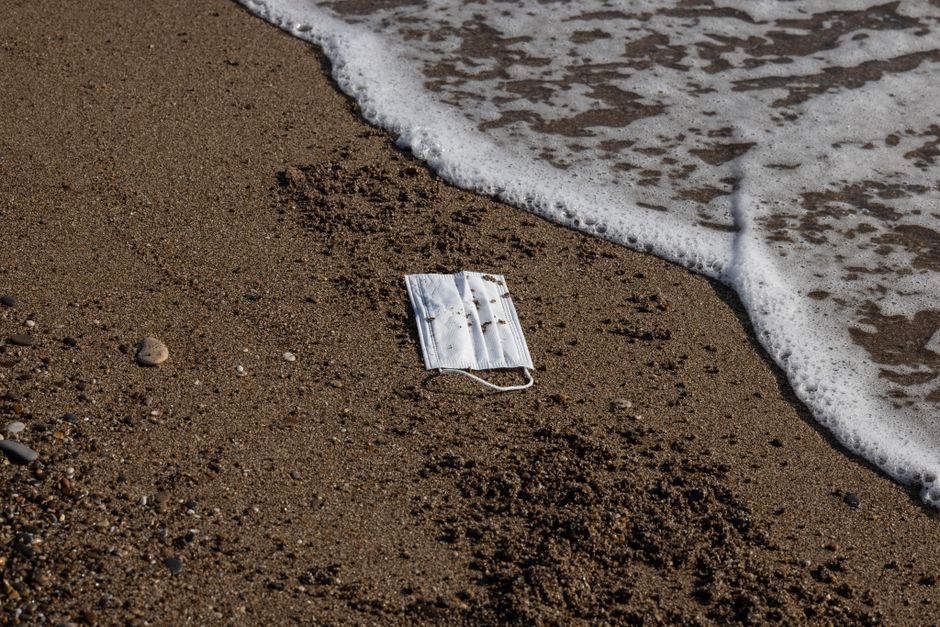
Pattaya main beach has repeatedly failed those standards over many years. High coliform counts, including E. coli from human waste, have been recorded at multiple points along the central beach. The cause is well understood: wastewater infrastructure has not kept pace with the city’s growth, and partially treated sewage enters the bay through drainage outflows.
Jomtien tells a different story. A June 2024 Pollution Control Department inspection found Jomtien met the recreational water standard, making it genuinely safer under normal conditions. A single passing inspection does not mean the water is always clean, though, and conditions change fast after rain.
Pattaya Beach vs Jomtien vs Koh Larn: Where Should You Actually Swim?
The three locations people ask about most are central Pattaya beach, Jomtien, and Koh Larn.
| Beach | Water Quality | Recommended for Swimming? | Notes |
|---|---|---|---|
| Pattaya Central Beach | Poor — consistently high coliform levels | No | Sewage and runoff are the main sources; avoid especially after rain |
| Jomtien Beach | Moderate — passed June 2024 inspection | With caution | Cleaner under normal conditions; degrades significantly after heavy rainfall |
| Koh Larn | Good — open water, away from urban runoff | Yes, for most people | Best nearby option; 45-minute ferry from Pattaya pier |
If you are staying in South Pattaya or Pratumnak and wondering about the stretch of sea in front of your hotel, treat it like central Pattaya beach unless you have specific recent data saying otherwise.
Koh Larn is genuinely worth the ferry ride. The water is open, well-flushed by ocean currents, and far enough from the mainland drainage to make a real difference. Most visitors who do the day trip come back without any issues.
How Rain Changes Everything
This is the part most travel guides skip. Pattaya’s wastewater system comes under serious pressure during heavy rain. Storm runoff washes contaminants from roads and drains directly into the bay. Within hours of a downpour, water quality at both Pattaya and Jomtien can drop sharply.
The rainy season runs roughly from May to October. During these months, avoid swimming at either beach for at least 48 to 72 hours after significant rainfall. The water may look the same, but the bacterial load can be much higher.
Even outside the rainy season, a single overnight storm is enough to cause a temporary contamination spike. If it rained heavily last night and you are planning a swim this morning, head to Koh Larn instead or wait a day.
Health Risks of Swimming in Pattaya’s Sea
Getting in contaminated seawater does not automatically make you sick, but it does raise your risk across several areas.
Gastroenteritis is the most common outcome. Stomach cramps, nausea, vomiting, and diarrhoea come from swallowing small amounts of water containing E. coli or similar bacteria. Symptoms usually start 12 to 48 hours after exposure, so many people feel fine at the beach and get sick at the hotel the next day.
Swimmer’s ear starts as an itch in the ear canal and can become a painful, discharging infection within a day or two. Eye infections, including conjunctivitis, are also common after swimming in poor-quality water, especially if you opened your eyes underwater.
Skin infections are worth taking seriously. Any open cut or graze that contacts warm, contaminated seawater can become infected. Vibrio bacteria thrive in warm saltwater and can cause rapidly spreading skin infections through even a small wound. If you have a cut, a graze from a motorbike accident, or any broken skin, do not get in the sea at Pattaya beach. Cellulitis from a seawater wound can escalate quickly and needs prompt treatment.
Jellyfish stings are reported more often during the rainy season and in Jomtien’s shallows. Our travel health service covers assessment and treatment for all these presentations.
Who Is Most at Risk?
Most healthy adults who swim at Jomtien or Koh Larn under normal conditions will be fine. Some groups face a higher risk and should think carefully before swimming at any Pattaya-area beach.
Children swallow more water and are more likely to develop severe gastroenteritis from a low bacterial dose. People with diabetes are at much higher risk of serious Vibrio skin infections, which can become limb-threatening without fast treatment. Anyone who is immunocompromised, whether from medication, chemotherapy, or an underlying condition, should avoid Pattaya main beach entirely and treat Jomtien with real caution.
If you have any open wound, however small, the risk of infection through that entry point is meaningful. Cover the wound and stay out, or choose Koh Larn if you want to swim.
Practical Steps Before and After You Swim
Before you get in, check the beach flags. A red flag means stay out. Look for discoloration, foam, or an unusual smell near drainage outlets. If it rained heavily in the last 48 hours, reconsider.
Do not swim with open wounds or broken skin. Remove contact lenses before entering the water. If you are in a higher-risk group, be honest with yourself about whether the swim is worth it.
After swimming, shower as soon as possible and rinse your ears. Tilt your head and let water drain naturally. Rinse your eyes with clean water if they feel irritated. Watch for symptoms over the next one to three days, because onset can be delayed.
When to See a Doctor in Pattaya After a Sea Swim
Some symptoms you can manage at home. Others need same-day attention.
Come in the same day if you have a fever above 38.5°C, diarrhoea or vomiting lasting more than 24 hours, a painful or discharging ear, red or swollen eyes that are not clearing, or skin redness and swelling around any wound that contacted seawater.
If you are diabetic or immunocompromised and you have any skin change after sea contact, do not wait. Come in straight away.
Doctor Pattaya is open 24 hours a day, every day, with no appointment needed. We see swim-related illness regularly, from mild gastroenteritis to Vibrio wound infections requiring urgent antibiotics. Most cases are straightforward when they come in early. The ones that become complicated are almost always the ones that waited.
We offer same-day assessment and treatment for gastroenteritis, swimmer’s ear, eye infections, and skin infections. If you are too unwell to travel, doctor hotel visits are available across Pattaya, Jomtien, and Naklua.
Feeling unwell after a swim in Pattaya or Jomtien? Doctor Pattaya is open 24 hours a day, seven days a week, with no appointment needed. We assess and treat gastroenteritis, swimmer’s ear, eye infections, and skin infections on the same visit. If you cannot travel, we offer doctor hotel visits across Pattaya, Jomtien, and Naklua. Walk in, call us, or book online at doctorpattaya.com.
Is Pattaya Beach safe to swim in right now?
Pattaya main beach has consistently tested poor for coliform bacteria and is generally not recommended for swimming. Jomtien Beach passed a June 2024 recreational water inspection, but conditions change quickly after rain. If you want the clearest water near Pattaya, take the ferry to Koh Larn.
What illnesses can you get from swimming in the Pattaya sea?
The most common are gastroenteritis from swallowing contaminated water, swimmer’s ear, conjunctivitis, and skin infections through cuts or abrasions. Symptoms can take 12 to 72 hours to appear, so you may feel fine at the beach and get sick the next day at your hotel.
Is Jomtien Beach cleaner than Pattaya Beach?
Yes, meaningfully so. Jomtien met recreational water quality standards in the June 2024 Pollution Control Department inspection, while central Pattaya beach has not. Water quality at Jomtien still drops after heavy rain, so wait 48 to 72 hours after a downpour before swimming there.
Should I see a doctor after swimming in the Pattaya sea?
If you have a fever, persistent vomiting or diarrhoea past 24 hours, a painful or discharging ear, red or swollen eyes, or any wound that looks infected after seawater contact, come in the same day. Doctor Pattaya is open 24 hours a day and can assess and treat all of these on a single visit.
When is Pattaya seawater at its worst?
During and immediately after heavy rainfall, typically from May to October. Storm runoff overwhelms the drainage system and flushes contaminants directly into the bay. Avoid swimming at Pattaya or Jomtien for at least 48 to 72 hours after significant rain.
I have a cut from a motorbike accident in Pattaya. Can I still swim at Jomtien?
Strongly advised against it. Any open wound exposed to warm, polluted seawater carries a real risk of Vibrio or bacterial skin infection, and it can escalate quickly. Let the wound heal and close fully before you swim. If you already swam with an open wound and the skin around it is red, swollen, or warm, come into the clinic straight away.
Is Koh Larn water quality actually better, or is that just a tourism line?
It genuinely is better. Koh Larn sits offshore with open ocean water and no urban drainage feeding into it, which makes a real difference to bacterial levels. No ocean beach is sterile, but Koh Larn is far cleaner than Pattaya main beach and noticeably better than Jomtien under most conditions.

Dr. Pipat Finn is the senior doctor at Doctor Pattaya Takecare Clinic, a 24/7 walk-in medical practice on South Pattaya Road, Chonburi, Thailand. They provide primary care, travel medicine, sexual health, vaccination, minor surgery, IV therapy, and emergency outpatient services for tourists, expatriates, and Pattaya residents. Languages: English and Thai. WhatsApp consultations: +66 95 073 5550. Call: +66 81 668 5557.