
Clinically reviewed by Dr. Pipat Finn, M.D., Senior Doctor, Doctor Pattaya.
Last reviewed: November 2026
Seafood poisoning in Pattaya comes in three main forms: bacterial infection from raw or undercooked shellfish, scombroid poisoning from spoiled fish, and true allergic reaction. Each has different symptoms and needs different treatment. Mild cases can be managed at home with fluids and rest. Persistent vomiting, signs of dehydration, any numbness or tingling, or difficulty breathing all need urgent medical attention.
You had a great evening. Fresh prawns at a beach stall near Jomtien, cold beers, the sea breeze. Then around midnight the cramping starts, and by two in the morning you are wondering whether this is serious. Most of the time it resolves quickly with the right care.
The harder part is knowing what you are dealing with. Seafood poisoning in Pattaya is not one thing. It can be a bacterial gut infection, a reaction to histamine in spoiled fish, or the early signs of a true allergy. The treatment is different for each, and in one case the distinction matters a great deal. Here is what you need to know.

Types of Seafood Illness in Pattaya
Vibrio and Bacterial Infections From Raw Shellfish
Vibrio parahaemolyticus lives naturally in warm coastal waters and concentrates inside filter feeders like oysters, clams, and mussels. The Gulf of Thailand is warm year-round, so it is a consistent presence in raw or lightly cooked shellfish here.
Symptoms usually appear within a few hours to four days of eating. You get watery diarrhea, cramping, nausea, and sometimes vomiting. Most people recover without antibiotics. The main risk is dehydration, which builds faster in Pattaya’s heat than it would in a cooler climate.
Norovirus can also spread through shellfish. It causes vomiting and diarrhea that typically begin within twelve to forty-eight hours. It is highly contagious, so if you are sharing a hotel room, your travel companion may follow you into the bathroom by morning.
Paralytic and Neurotoxic Shellfish Poisoning
This is the one worth knowing about, even though it is less common. Certain algal blooms in the Gulf of Thailand can produce a nerve toxin called saxitoxin inside shellfish. You cannot taste it, and cooking does not destroy it.
The first sign is usually numbness or tingling around the lips and mouth. This can spread to the face, hands, and legs. In serious cases it can affect breathing. If you notice any numbness or tingling after eating shellfish, do not wait to see if it passes. Get to a clinic immediately.
Allergic Reaction Versus Food Poisoning
A shellfish allergy and shellfish food poisoning can look similar at first. Both can cause nausea and stomach cramps. The difference becomes clearer quickly.
An allergic reaction usually involves the skin: hives, swelling around the face or throat, flushing, or a rash. It may also cause breathing difficulty or a sudden drop in blood pressure. These symptoms appear within minutes to a couple of hours. Food poisoning sits in your gut. Cramping, diarrhea, and vomiting are the main features. The skin stays clear. If you have swelling, hives, or trouble breathing after eating seafood, treat it as a potential allergic reaction and get help fast. Our allergy treatment page has more detail on what to expect.
Scombroid Flushing After Fish
Scombroid poisoning is caused by histamine that forms in fish when it is not refrigerated properly after the catch. It is not an infection. It is a chemical reaction in the fish itself. Dark-fleshed species carry the highest risk: tuna, mackerel, and bonito are the main ones.
One warning sign you can catch early: a peppery or metallic taste in the fish. If you notice it, stop eating. Symptoms come on fast, usually within minutes to two hours: flushing, a burning sensation in the mouth, headache, rapid heartbeat, and sometimes hives. It looks almost identical to an allergic reaction, which is exactly why it gets misdiagnosed.
Scombroid responds well to antihistamines. Most people feel significantly better within a few hours. A doctor can confirm the diagnosis and rule out true anaphylaxis, which needs a different treatment entirely.
Eating Seafood Safely in Pattaya
The seafood in Pattaya is genuinely good. The risk is not in eating it; the risk is in how it has been stored before it reaches you.
At beach stalls and street markets near Thepprasit Night Market or along Jomtien Beach, look at the display before you order. Shellfish and prawns should be sitting on ice, not in ambient heat. Pre-cooked shellfish sitting out in thirty-five-degree heat are a risk. Busy stalls with high turnover are safer than quiet ones where the same tray of oysters has been out since midday. If you feel unwell out that way, a doctor near Thepprasit Road is available day or night.
At sit-down restaurants, the picture is generally better. Reputable kitchens maintain refrigeration. The risk goes up with long transport distances without consistent cold storage, which is more of a concern at temporary stalls than at established restaurants.
Cook shellfish until they open and are steaming throughout. Avoid eating raw oysters if you are immunocompromised, pregnant, or have a liver condition. Vibrio can cause serious illness in those groups.
When to Get Urgent Help With Seafood Poisoning in Pattaya
Most seafood poisoning is unpleasant but manageable. Oral rehydration salts, rest, and time are enough for many cases. The threshold for coming in should be lower than you think, though, because dehydration in this heat is a real concern.
Go to a clinic the same day if you cannot keep fluids down, have not urinated in several hours, feel dizzy or faint when you stand up, have a temperature above 38.5°C, have bloody diarrhea, or are getting worse after twenty-four hours.
Go immediately if you have any numbness or tingling anywhere on your body after eating shellfish, have hives or swelling around the throat or face, are struggling to breathe, or feel your heart racing without explanation. These can be signs of paralytic shellfish poisoning or anaphylaxis. Anaphylaxis needs epinephrine given by a doctor, not antihistamines alone. Do not drive yourself.
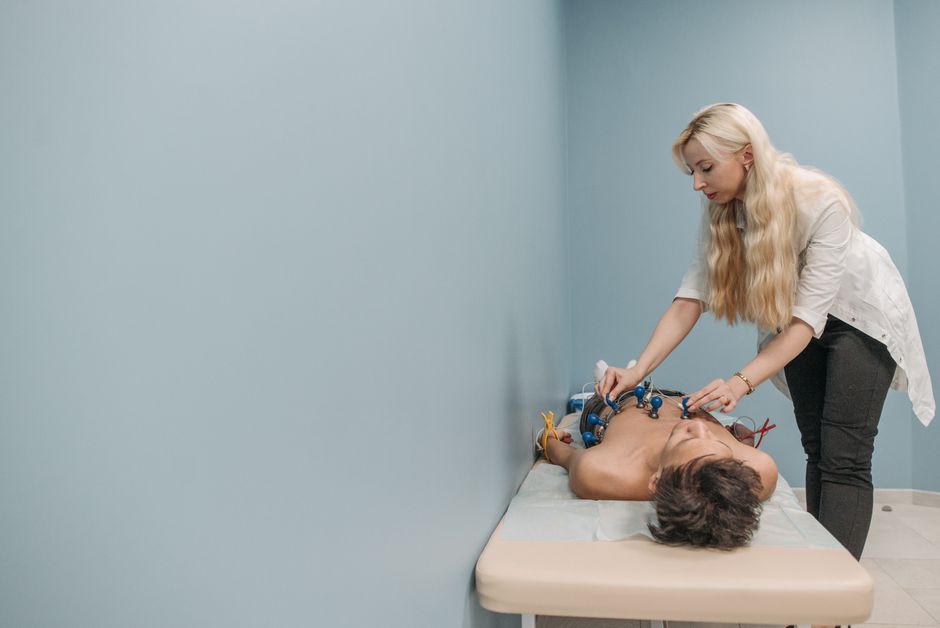
At Doctor Pattaya, we can assess you, give IV fluids for rehydration, administer antihistamines for scombroid or allergic reactions, and arrange further care if needed. We are open around the clock. If you are too unwell to travel, a doctor hotel visit is available across Pattaya, Jomtien, and Naklua. For more on what to expect at the clinic, our diarrhea and food poisoning page walks you through the visit from start to finish.
Feeling unwell after eating seafood in Pattaya? Doctor Pattaya is open 24 hours a day, seven days a week. We can assess your symptoms, provide IV rehydration, treat allergic reactions, and rule out anything serious. Walk in any time, or book a hotel visit if you cannot travel. We are in South Pattaya and serve patients across Jomtien and Naklua.
Frequently Asked Questions
References
- Sheets C. Scombroid Poisoning. StatPearls Internet. Treasure Island (FL): StatPearls Publishing; 2024.
- CDC. Vibrio parahaemolyticus Signs and Symptoms (archived). Centers for Disease Control and Prevention, 2013.
- CDC. Norovirus Outbreaks. Centers for Disease Control and Prevention, 2024.
- Sobel J, et al. Paralytic shellfish poisoning: seafood safety and human health perspectives. Toxicon. 2010;56(2):108-122.
- WHO. Food safety: Foodborne diseases. WHO Fact Sheet. World Health Organization, 2023.
The information in this article is for educational purposes only and does not constitute medical advice. It should not be used to self-diagnose or replace a consultation with a qualified physician. If you have concerns about your health, contact a licensed medical professional. For appointments at Doctor Pattaya, visit doctorpattaya.com.

Dr. Pipat Finn is the senior doctor at Doctor Pattaya Takecare Clinic, a 24/7 walk-in medical practice on South Pattaya Road, Chonburi, Thailand. They provide primary care, travel medicine, sexual health, vaccination, minor surgery, IV therapy, and emergency outpatient services for tourists, expatriates, and Pattaya residents. Languages: English and Thai. WhatsApp consultations: +66 95 073 5550. Call: +66 81 668 5557.