Clinically reviewed by Dr. Pipat Finn, M.D., Senior Doctor, Doctor Pattaya.
Last reviewed: October 2026
GLP-1 receptor agonists like semaglutide and liraglutide have strong clinical trial evidence for reducing heart attack, stroke, and cardiovascular death in patients with established atherosclerotic heart disease. The benefit is most clearly proven in this higher-risk group, not in people with no cardiac history. If you have existing heart disease, a doctor-led assessment including a review of your current medications and a baseline ECG is recommended before starting. Stopping GLP-1 therapy early may eliminate the cardiovascular benefit, so continuity of treatment matters.
You had a stent fitted three years ago. Or a bypass. Or a cardiac event that you do not like to think about too much. You are managing your weight, your blood sugar, or both, and somewhere along the way someone has mentioned GLP-1 medications. Maybe it was your doctor back home. Maybe it was a fellow expat over coffee in Pratumnak. You are trying to work out whether this is a good idea or a risk you should not take.
That is exactly the right question. And the answer is more reassuring than most people expect.
The evidence for GLP-1 medications is actually strongest in people who already have a cardiac history. The major trials that put GLP-1s on the cardiovascular map were run in patients who had already had a heart attack, a stroke, or a confirmed diagnosis of atherosclerotic heart disease. That distinction matters, and this article covers what the data shows, what needs monitoring, and how to start safely if you are living in or passing through Pattaya.
The Evidence Is Strongest for Patients With a Cardiac History
The clearest evidence comes from two large trials. SUSTAIN-6 looked at semaglutide in patients with established cardiovascular disease or high cardiovascular risk and found a meaningful reduction in major adverse cardiovascular events, the combined measure of heart attack, stroke, and cardiovascular death. The SELECT trial, published in 2023, enrolled over 17,000 adults with established cardiovascular disease but without diabetes and showed that weekly semaglutide reduced that same combined measure significantly over placebo. That is the trial that changed the conversation. For patients with a prior cardiac event, the cardiovascular case for semaglutide is now evidence-based, not theoretical.
Liraglutide and dulaglutide also have positive cardiovascular outcome data in high-risk populations, from the LEADER and REWIND trials. Tirzepatide’s cardiovascular outcome trial (SURPASS-CVOT) reported non-inferiority compared with dulaglutide, another GLP-1 receptor agonist, for the combined measure of heart attack, stroke, and cardiovascular death in people with type 2 diabetes. Whether tirzepatide offers an advantage over other GLP-1 agents in ischemic heart disease populations is not yet settled.
How GLP-1s Protect the Heart Beyond Weight Loss
Weight loss helps the heart. But the cardiovascular benefit in these trials appeared too quickly and too consistently to be explained by weight loss alone.
GLP-1 therapy also reduces systemic inflammation and modestly lowers blood pressure, both of which matter in a cardiac population. There is also evidence of improved function in the inner lining of blood vessels. These effects appear to be separate from, and on top of, the metabolic benefit of weight loss and glucose control.
This matters practically. Patients who lose less weight may still gain cardiovascular protection. Patients who are already lean but have established atherosclerotic disease may still be appropriate candidates. That is a clinical judgement, not a blanket rule, and it is worth discussing directly with your prescribing doctor. You can read more about how this applies to specific patients on the Doctor Pattaya GLP-1 service page.

Heart Failure: Where the Evidence Is Less Settled
Heart failure is not one condition, and how you respond to GLP-1 therapy depends on which type you have.
For heart failure with preserved ejection fraction, known as HFpEF, semaglutide showed benefit in the SUMMIT trial, reducing symptoms and improving exercise capacity. This group has historically had limited treatment options, so that data is genuinely encouraging. For heart failure with reduced ejection fraction, known as HFrEF, the picture is less clear. Current evidence does not show the same consistent benefit, and this subgroup needs a more careful individual assessment before starting. If you have been told you have heart failure, ask your doctor which type. It changes the risk-benefit calculation directly.
Monitoring and Safety for Cardiac Patients Starting GLP-1 Therapy
Starting a GLP-1 when you have a cardiac history is not the same as starting one for weight loss in an otherwise healthy adult.
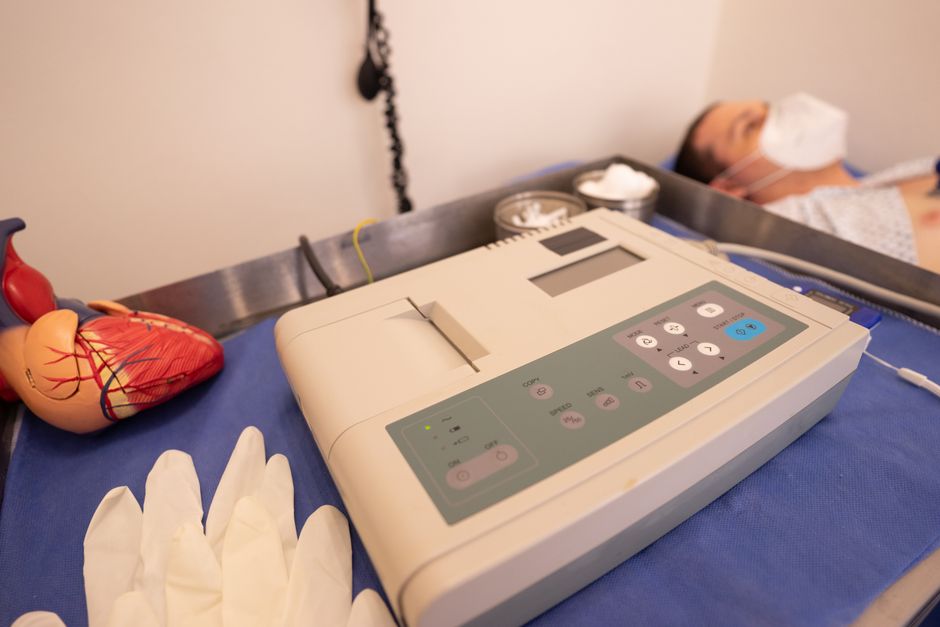
GLP-1 medications raise resting heart rate modestly. For most patients this is not clinically significant. For patients with arrhythmia, tachycardia, or rate-controlled atrial fibrillation, closer monitoring is warranted. A baseline ECG before starting is standard practice in this group. Bring your most recent cardiac reports and a full medication list, including any antiplatelets, antihypertensives, and anticoagulants. Dose adjustments may be needed as blood pressure and weight change over time.
GLP-1s also carry a recognised risk of gallstones, which increases with rapid weight loss. Patients with a history of biliary disease should flag this to their prescriber. A review of HbA1c and weight response at around six months gives a useful signal for whether therapy is working and helps guide decisions about continuing, adjusting dose, or switching agent.
What Happens If You Stop GLP-1 Therapy
This part of the conversation almost never happens, and it should.
A 2026 BMJ Medicine target trial emulation found that stopping GLP-1 therapy early, before reaching around three years of continuous use, was associated with loss of the cardiovascular benefit seen with long-term continuous use. The study was observational and used U.S. Veterans Affairs data comparing GLP-1 users with sulfonylurea users. For a patient with an existing cardiac history, this is directly relevant. If you are travelling, relocating, or between healthcare providers and considering stopping your GLP-1, that decision deserves a proper conversation with your doctor. An expat in Jomtien or Naklua managing a cardiac history needs a clear continuity plan, not a gap in prescription access. Quietly letting a prescription lapse is not the same as a supervised pause.
Current Approvals and What the Guidelines Say
Semaglutide has regulatory approval for cardiovascular risk reduction in adults with established cardiovascular disease and either obesity or overweight, independent of diabetes status, following the SELECT trial. This applies across multiple markets including the FDA and EMA.
The American Diabetes Association and European Society of Cardiology guidelines have both updated their recommendations to include GLP-1 receptor agonists as a cardiovascular risk reduction tool in patients with atherosclerotic cardiovascular disease, not just as a glucose-lowering medication. Oral semaglutide received FDA approval for cardiovascular risk reduction in October 2025 for adults with type 2 diabetes who are at high cardiovascular risk, including those without a prior cardiovascular event, broadening options for patients who prefer not to inject. Your prescribing doctor can advise which formulation suits your specific cardiac history and current medications.
Starting GLP-1 Therapy With a Cardiac History in Pattaya
A long-stay expat near Pratumnak Hill without a regular GP. A visitor who has arrived mid-course on their GLP-1 and needs a prescription bridge. Someone who had a cardiac event years ago and has been told by their doctor back home to think about starting. All of these patients need the same thing: a proper clinical assessment, not a form-fill and a courier box.
At Doctor Pattaya, a GLP-1 consultation for a patient with a cardiac history includes a review of your medical background, current medications, and relevant test results, alongside a baseline ECG and bloods where indicated. Walk-in and hotel visit appointments are available around the clock. If you are near Jomtien Beach or further north toward Naklua, access is not the barrier it might be if you are between healthcare systems.
Bring your previous cardiac reports and your medication list. That single step makes the consultation significantly more useful and the prescribing decision safer.
If you have a history of heart disease and are considering GLP-1 therapy, a proper clinical assessment is the right first step. Doctor Pattaya offers 24/7 consultations, baseline ECG, and personalised medication review for cardiac patients across Pattaya, Jomtien, Pratumnak, and Naklua. Walk in, or ask about a hotel visit. Bring your cardiac reports and current medication list and we will take it from there.
Frequently Asked Questions
References
- Marso SP, et al. Semaglutide and Cardiovascular Outcomes in Patients with Type 2 Diabetes. N Engl J Med. 2016;375:1834-1844.
- Lincoff AM, et al. Semaglutide and Cardiovascular Outcomes in Obesity without Diabetes (SELECT Trial). N Engl J Med. 2023;389:2221-2232.
- Kosiborod MN, et al. Semaglutide in Patients with Heart Failure with Preserved Ejection Fraction and Obesity (SUMMIT). N Engl J Med. 2023;389:1057-1067.
- Healio. Rybelsus becomes first oral GLP-1 approved for CVD prevention in adults with diabetes. December 2025.
- Xie Y, Choi T, Al-Aly Z. Discontinuation of GLP-1 receptor agonists and cardiovascular outcomes: target trial emulation. BMJ Medicine. March 2026.
- Marx N, et al. 2023 ESC Guidelines for the Management of Cardiovascular Disease in Patients with Diabetes. European Heart Journal. 2023;44:4043-4140.
The information in this article is for educational purposes only and does not constitute medical advice. It should not be used to self-diagnose or replace a consultation with a qualified physician. If you have concerns about your health, contact a licensed medical professional. For appointments at Doctor Pattaya, visit doctorpattaya.com.

Dr. Pipat Finn is the senior doctor at Doctor Pattaya Takecare Clinic, a 24/7 walk-in medical practice on South Pattaya Road, Chonburi, Thailand. They provide primary care, travel medicine, sexual health, vaccination, minor surgery, IV therapy, and emergency outpatient services for tourists, expatriates, and Pattaya residents. Languages: English and Thai. WhatsApp consultations: +66 95 073 5550. Call: +66 81 668 5557.