Clinically reviewed by Dr. Pipat Finn, M.D., Senior Doctor, Doctor Pattaya.
Last reviewed: September 2026
Azithromycin remains the first-line antibiotic for mycoplasma genitalium when the infection is susceptible to it, but resistance is now very common across Asia, including Thailand. The extended five-day course works better than the old single-dose approach. If symptoms persist after treatment, do not repeat azithromycin. Get tested again and ask about second-line options.
You had some symptoms, maybe a persistent discharge or a burning sensation that would not go away, and someone suggested it might be mycoplasma genitalium. Or you have already taken azithromycin and you are still not feeling right. Either way, you are probably searching for answers at midnight wondering what comes next. That is a reasonable place to be.
Mycoplasma genitalium is a sexually transmitted infection that causes urethritis in men, which is inflammation of the tube that carries urine and semen, and can lead to pelvic inflammatory disease in women. It is harder to treat than chlamydia, and azithromycin does not always work. In parts of Asia-Pacific, resistance rates are high enough that standard treatment fails in a significant number of cases. Knowing why that happens, and what to do about it, makes a real difference to your outcome.
Why Mycoplasma Genitalium Cannot Be Treated With Just Any Antibiotic
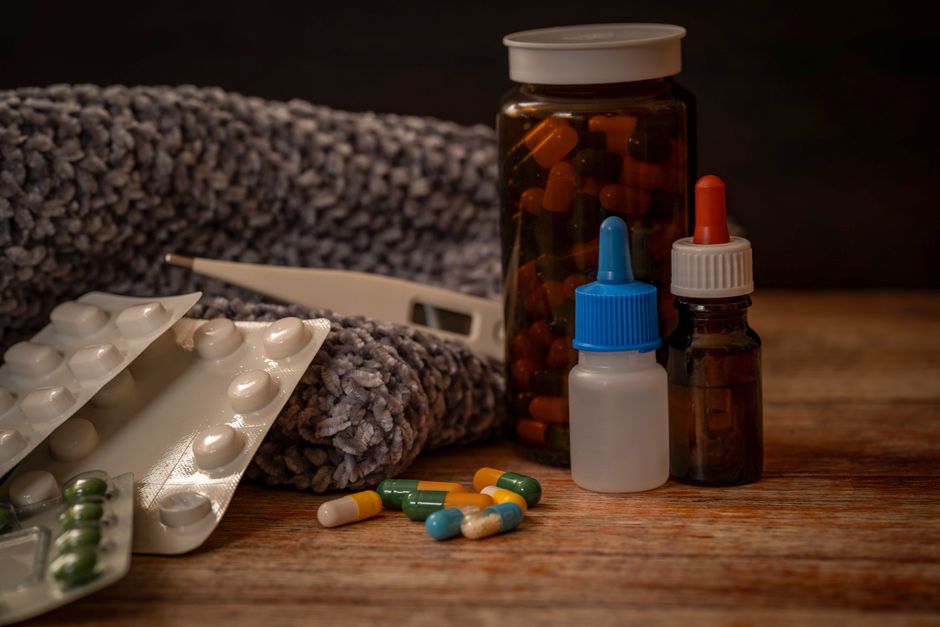
Most bacteria have a cell wall. Many common antibiotics, including penicillins and cephalosporins, work by attacking that wall. Mycoplasma genitalium has no cell wall at all, so those antibiotics have nothing to target and will not touch this infection.
That narrows your options considerably. The antibiotics that work here are ones that get inside the bacterial cell and disrupt how it reproduces. Azithromycin and doxycycline both do this, and moxifloxacin is used when those fail. Even within that short list, resistance is a real and growing problem.
This is why self-treating with whatever antibiotics you have on hand, which is easy to do in Thailand, is a bad idea with this infection. The wrong antibiotic will not clear it, and it may make testing harder later on.
How Azithromycin Works and Why It Is Given First
Azithromycin is well-absorbed, stays active in the body for days after the last dose, and generally causes few side effects. That combination makes it practical for treating a sexually transmitted infection. For infections where the bacteria have not yet developed resistance, it works well.
The question is always whether your infection is susceptible. In many parts of Asia, a large proportion of infections are not. That is the part most patients are not told upfront, and it matters.

Single Dose Versus Extended Azithromycin for Mycoplasma Genitalium
This is one of the most clinically important distinctions in treating this infection, and most patients are never told about it. The old standard was a single one-gram dose of azithromycin. That dose is now known to drive resistance. When the bacteria are exposed to a brief, high dose, some survive and quickly develop mutations that make them immune to the drug.
The current recommended approach is an extended regimen: five hundred milligrams on day one, then two hundred and fifty milligrams once daily for four more days. This slower, sustained course clears the bacteria more reliably and is far less likely to produce resistance. Both the CDC and BASHH now support this approach.
If you were previously given a single one-gram dose for chlamydia and it turns out you also had mycoplasma genitalium, there is a real chance that dose made things worse rather than better. We see this clinical scenario regularly, and it is worth knowing about before you take anything else.
The Doxycycline Lead-In and Why Doctors Use It Before Azithromycin
Current guidelines recommend starting with a seven-day course of doxycycline before moving to azithromycin. Doxycycline does not cure mycoplasma genitalium on its own, but it reduces the number of bacteria present. A lower load means azithromycin has less work to do and the chances of a full clearance are higher.
This two-stage approach is now standard practice in resistance-aware clinics. It takes longer, roughly two weeks from start to finish, but results are meaningfully better than skipping straight to azithromycin alone. At Doctor Pattaya, if resistance testing suggests the infection is macrolide-susceptible, the doxycycline lead-in is typically how we start.
Why Azithromycin Resistance Is a Bigger Problem in This Region
Macrolide resistance in mycoplasma genitalium is a global problem, but Asia-Pacific has some of the highest rates in the world. Dual-class resistance, meaning resistance to both macrolides and fluoroquinolones, has exceeded twenty-four percent in some Western Pacific populations. Fluoroquinolone resistance rates across Asia are also substantially higher than in Europe or North America.
Antibiotics are widely available without a prescription in Thailand and across Southeast Asia. Incomplete treatment courses are common. Resistant strains circulate more freely as a result. If you are a tourist or expat in Pattaya and you have mycoplasma genitalium, there is a genuine possibility it is already carrying resistance mutations before you take a single tablet. This is not meant to alarm you. It is meant to explain why testing before treatment matters, not after.
Resistance Testing and Why It Changes Everything
A standard NAAT test confirms whether mycoplasma genitalium is present. A separate step called macrolide resistance testing looks for specific genetic mutations in the bacteria that tell us whether azithromycin is likely to work.
If resistance is detected before treatment starts, your doctor can skip azithromycin entirely and go straight to moxifloxacin. That avoids a failed course, avoids further resistance development, and gets you cleared faster. This is called resistance-guided therapy and it is now considered the gold standard by BASHH. Not every clinic in Thailand offers it alongside standard NAAT testing, so it is worth asking specifically when you come in.
What Happens When Azithromycin Fails
If you have finished the extended azithromycin course and symptoms are still there, or a test of cure comes back positive, the next step is moxifloxacin. This is a fluoroquinolone antibiotic, typically given for seven to fourteen days, with good cure rates for macrolide-resistant infections.
Do not take another course of azithromycin. It will not work if resistance is already present, and repeating it makes the situation worse. If both azithromycin and moxifloxacin fail, options become very limited. A third-line antibiotic called pristinamycin is sometimes used, but it is only around seventy-five percent effective and is not widely available in Thailand. This is the outcome that good upfront testing is designed to prevent.
Testing and Treatment for Mycoplasma Genitalium in Pattaya
If you are in Pattaya and think you might have mycoplasma genitalium, the first step is simple. Come in, get tested, and find out what you are actually dealing with. A lot of patients arrive having already taken antibiotics picked up at a pharmacy, and the picture gets more complicated from there.
At Doctor Pattaya, we test for mycoplasma genitalium alongside other common STIs including chlamydia and gonorrhoea, because co-infections are common and a full panel is usually the right call. Our team will walk you through expected timelines when you come in. For tourists on a short trip, a macrolide-susceptible infection treated with the two-stage approach takes about two weeks in full. If your trip is shorter than that, we can start treatment here and help coordinate follow-up with a clinic at home.
If you are an expat or longer-term resident, we can manage the full course and arrange a test of cure before signing you off. Walk-ins are welcome at any hour. Hotel visits across Pattaya, Jomtien, and Naklua are available if getting to the clinic is not practical. For more detail on what we cover, see our STI testing and treatment page, including azithromycin-resistant mycoplasma genitalium.
A Note on Partners and Re-Infection
Treatment only works if your partner is also treated at the same time. If one person clears the infection and the other does not, re-infection will happen. Both partners should be tested and treated before resuming sexual contact.
This sounds obvious, but it is a common reason treatment appears to fail when the antibiotic has actually done its job. Testing for the full range of STIs at the same visit makes sense, for you and anyone you have been in contact with.
Concerned about mycoplasma genitalium or think your treatment may not have worked? Doctor Pattaya is open twenty-four hours a day, seven days a week, for confidential STI testing and treatment. We offer NAAT testing, full STI panels, and resistance-aware treatment plans guided by current international protocols. Walk in any time, or call ahead for a hotel visit in Pattaya, Jomtien, or Naklua.
Frequently Asked Questions

Dr. Pipat Finn is the senior doctor at Doctor Pattaya Takecare Clinic, a 24/7 walk-in medical practice on South Pattaya Road, Chonburi, Thailand. They provide primary care, travel medicine, sexual health, vaccination, minor surgery, IV therapy, and emergency outpatient services for tourists, expatriates, and Pattaya residents. Languages: English and Thai. WhatsApp consultations: +66 95 073 5550. Call: +66 81 668 5557.