Clinically reviewed by Dr. Pipat Finn, M.D., Senior Doctor, Doctor Pattaya.
Last reviewed: August 2026
Genital warts are caused by low-risk HPV types 6 and 11. They are not linked to cervical cancer. Treatment can remove visible warts, but HPV stays in the body, so warts can return. Cryotherapy or electrocautery at a clinic works faster than creams and can be done in a single visit.
You noticed something a few days into your holiday. Maybe after a beach day at Jomtien, or just during a quiet morning in your hotel room. You are not panicking exactly, but you are Googling, and the results are making things worse. Take a breath. This is one of the most common things we see at this clinic, and it is very manageable.
HPV genital warts are a sexually transmitted infection caused by human papillomavirus. Most people who carry HPV never develop visible warts at all, which is part of why it spreads so easily without anyone realising. If you have noticed something unfamiliar and want to know what you are dealing with, what treatment looks like, and whether this will follow you home, here is what you need to know.
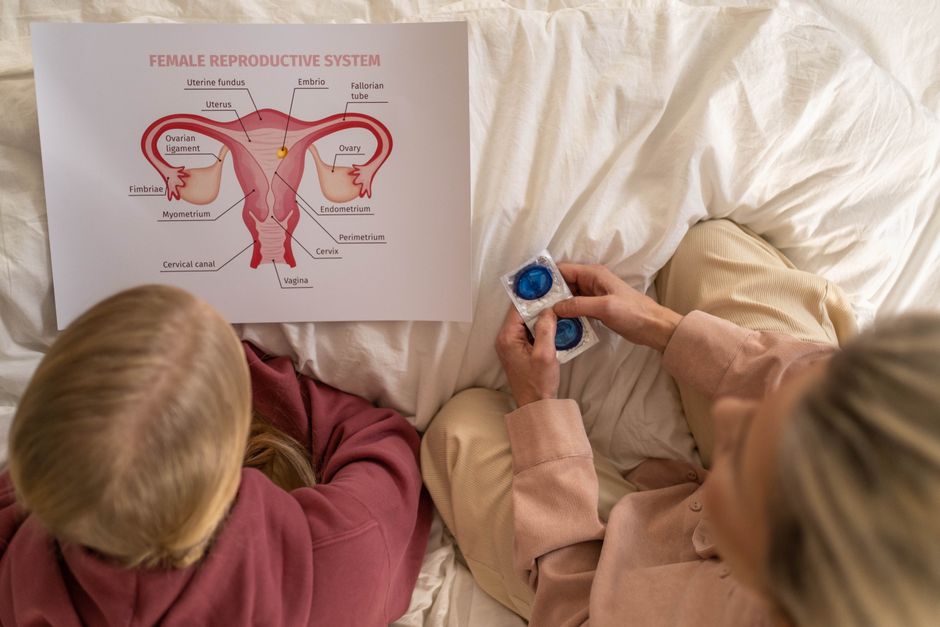
What Is HPV and What Causes Genital Warts?
HPV is a family of viruses, not one single strain. The types that cause genital warts, most commonly types 6 and 11, are classed as low-risk. They cause warts. They do not cause cancer. This is the single most important thing to take away from this section, because almost every patient we see with a new warts diagnosis is convinced they now have a cancer risk. They do not.
The high-risk types, mainly 16 and 18, are a separate group entirely. Those are the strains linked to cervical cancer and a few others. High-risk HPV rarely causes visible warts. So if you have genital warts, you almost certainly have a low-risk strain. That said, having one type of HPV does not tell us whether you have been exposed to others, which is why ongoing cervical screening matters for women regardless of wart status.
What HPV Genital Warts Look Like: Symptoms by Gender
Genital warts usually appear between one and eight months after exposure. Some people wait longer. Some never develop visible warts at all, even though they carry the virus.
In men, warts most often appear on the shaft of the penis, the foreskin, the head, or around the anus. They tend to look like small, soft, skin-coloured bumps, sometimes flat, sometimes raised and clustered in a cauliflower-like shape.
In women, warts appear on the vulva, the vaginal opening, inside the vagina, on the cervix, or around the anus. Internal warts are often painless and go unnoticed without an examination. External warts can cause mild itching or discomfort, but many people feel nothing at all.
Do not try to diagnose this yourself based on a photo search. There are other skin conditions that look similar, including molluscum contagiosum and pearly penile papules, which are completely harmless and need no treatment. Come in and let us have a look. A clinical assessment takes a few minutes and removes all the guesswork.

Treatment Options for HPV Genital Warts in Pattaya
This is where your timeline really matters, because treatment options vary depending on how long you have left in town.
Cryotherapy uses liquid nitrogen to freeze the wart tissue. It works in one visit for most straightforward cases. There is a brief stinging sensation during the procedure and some tenderness for a day or two after. For someone with a week left in Pattaya, this is the most practical option. Electrocautery, which uses a small electric current to remove wart tissue, is precise and effective for larger or more stubborn warts. Same principle from your side: one visit, done.
Topical creams are the alternative for patients who prefer to manage treatment at home. Podophyllotoxin and imiquimod are the two most commonly prescribed. Both require several weeks of consistent self-application. They work well for the right patient, but if you are flying home in ten days, a cream is probably not your best first move.
Our STD treatment page walks through what to expect at the appointment, including what happens with genital warts that come back after treatment, so you are not walking in blind.
Can Genital Warts Come Back After Treatment?
Yes. And this is the question that causes the most anxiety, so let us be direct about it.
Treating warts removes the visible warts. It does not remove HPV from your body. The virus can stay dormant in surrounding skin cells and reactivate later, particularly in the first three months after treatment. This is not a sign that your treatment failed.
Recurrence is more likely if you smoke, had warts in multiple locations, or if your immune system is under stress. Some long-term Pattaya expats who have been clear for a year find warts return after a rough patch of health or a period of high stress. If your warts come back, come back in. Retreatment works the same way, and most patients who stay on top of it achieve long clear periods. Some people clear the virus entirely over time as their immune system builds a response to it.
Getting Diagnosed and Treated at Doctor Pattaya
Walking in with an STI concern can feel uncomfortable. Everyone on our team sees this daily, and no one here will make you feel judged.
Doctor Pattaya is open 24 hours a day, seven days a week in South Pattaya. Walk-ins are welcome at any hour. If you would rather not come to the clinic, we offer doctor hotel visits across Pattaya, Jomtien, Pratumnak, and Naklua. The doctor comes to you, examines the area, and we take it from there.
At your appointment we will examine the warts, confirm the diagnosis clinically, and discuss which treatment suits your situation. Same-day cryotherapy is available. If you want to rule out other STIs at the same visit, we can run a simple blood test panel at the same time and cover everything in one go.
Prevention: HPV Vaccine, Condoms, and What Comes Next
Condoms reduce the risk of HPV transmission but do not eliminate it entirely. The virus spreads through skin-to-skin contact in the genital area, not only through penetrative sex. They are still worth using consistently.
The HPV vaccine Gardasil 9 protects against nine HPV strains, including the two that cause most genital warts and the two most linked to cervical cancer. Current guidance supports vaccination up to age 45. Here is the part most patients do not know: if you have already been diagnosed with genital warts, the vaccine can still protect you against strains you have not yet encountered. It will not clear an existing infection, but it closes doors that are still open. Bring this up at your next appointment.
For women, regular cervical screening remains important regardless of wart history. Warts do not cause cervical cancer, but other HPV strains can, and screening catches changes early when they are easiest to treat.
What to Do After a Genital Warts Diagnosis
The first step is to let any recent sexual partners know. That conversation is difficult, but it matters. Partners may carry HPV without visible symptoms, and knowing gives them the chance to get checked and vaccinated.
Avoid sexual contact until visible warts are treated and healed. That is not a permanent restriction, just a practical one while the area is actively infected and tender. After treatment, plan a follow-up around four to eight weeks later to confirm the warts have cleared and check for any new ones.
If you are heading home soon, take your treatment notes with you and hand them to your GP so they can continue your care. If you are a long-term resident in Pattaya, building this into your regular health routine is the sensible approach. And if you smoke, cutting back is genuinely worth considering. Smoking affects immune function and is linked to higher rates of HPV wart recurrence. That is not a lecture, just a clinical fact worth knowing.
Doctor Pattaya is open 24 hours a day in South Pattaya. If you have noticed a genital wart or are not sure what you are looking at, come in any time. We offer same-day clinical assessment, cryotherapy, and full STI screening in one visit. Walk-ins welcome. Hotel visits available across Pattaya, Jomtien, Pratumnak, and Naklua. No appointment needed. No judgment.
Frequently Asked Questions

Dr. Pipat Finn is the senior doctor at Doctor Pattaya Takecare Clinic, a 24/7 walk-in medical practice on South Pattaya Road, Chonburi, Thailand. They provide primary care, travel medicine, sexual health, vaccination, minor surgery, IV therapy, and emergency outpatient services for tourists, expatriates, and Pattaya residents. Languages: English and Thai. WhatsApp consultations: +66 95 073 5550. Call: +66 81 668 5557.