Clinically reviewed by Dr. Pipat Finn, M.D., Senior Doctor, Doctor Pattaya. Last reviewed: August 2026
Taking the wrong antibiotic for an STD leaves the infection active in your body even if your symptoms fade. The bacteria keep replicating, the risk of complications grows, and you can still pass the infection to a partner. The only way to know you are actually cured is a confirmed diagnosis, the right drug at the right dose, and a follow-up test to prove the infection has cleared.
You had a worrying symptom, you did not want to spend a day sitting in a clinic, so you walked into a pharmacy on Second Road and asked for something. The pharmacist handed you a course of antibiotics, you took them, things seemed to settle down, and you got on with your holiday. This happens every week in Pattaya, and a good portion of those people are still infected when they fly home.
Symptom relief is not the same as being cured. Some antibiotics will quiet down the inflammation around an infection without touching the bacteria causing it. You feel better, you stop worrying, and the infection carries on doing damage. This article covers exactly what goes wrong when the antibiotic does not match the infection, and what to do about it.
Why STDs Require Specific, Matched Antibiotics
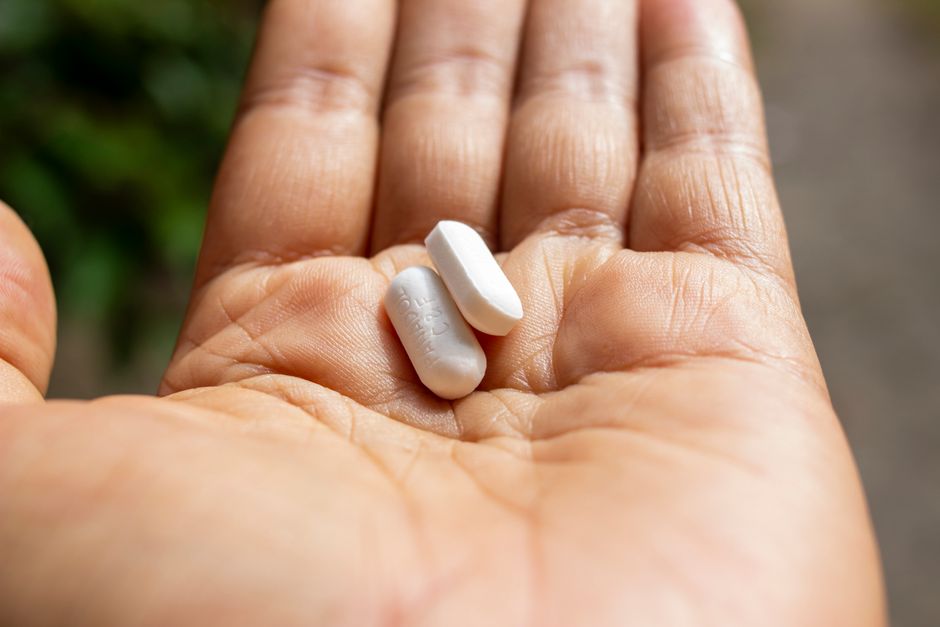
Each bacterial STD is caused by a different organism. Gonorrhea, chlamydia, syphilis, and Mycoplasma genitalium all respond to different drugs. An antibiotic that clears one of them may do nothing to another.
Doxycycline works well against chlamydia. It does very little against gonorrhea. Ceftriaxone is the current first choice for gonorrhea but is not the go-to for syphilis. Azithromycin, once used widely for both gonorrhea and Mycoplasma genitalium, has lost effectiveness against both in many parts of the world because it was overused. Taking the wrong one is not close enough. It is simply the wrong treatment.
You need to know what you are treating before you choose the drug. That means a test, not a guess.
Why Tourists and Expats in Pattaya Get This Wrong More Often
In most Western countries, antibiotics require a prescription. In Thailand, many are available over the counter, which makes self-medication easy and very common. For a tourist with two weeks in Pattaya who notices a discharge or a burning sensation, the appeal of a quick pharmacy run is obvious. No appointment, no awkward conversation, back at the pool by noon.
The problem is that pharmacy staff are not diagnosing you. Without a swab or a blood test, nobody knows which organism is actually present. A lot of our patients come in after a pharmacy course that did not work and are surprised to find the infection is still very much there.
Long-term expats are not immune to this either. We see residents who have lived here for years and treat the local pharmacy like their GP. Familiarity with the system does not make self-diagnosis more accurate.

How the Wrong Antibiotic Masks Symptoms Without Curing the Infection
This is the part that catches people out the most. Some antibiotics have mild anti-inflammatory effects, or they treat a secondary bacterial infection sitting alongside the main one. Symptoms ease. You assume it worked.
What actually happened is that the core infection is still active and, now without obvious symptoms, easier to ignore. Chlamydia can quietly move into the reproductive tract and cause pelvic inflammatory disease. Gonorrhea can spread to joints and other tissues. Syphilis is particularly deceptive: the primary sore heals on its own regardless of whether you treat it, which tricks people into thinking they are fine.
Feeling better is not a confirmatory test. Only a follow-up test is.
Antibiotic Resistance in Pattaya and Southeast Asia
Antibiotic resistance is not a future problem. It is here now, and Southeast Asia is one of the regions where it is most pronounced. Drug-resistant gonorrhea strains are well documented across the region. Mycoplasma genitalium has shown high rates of resistance to azithromycin in multiple Asian countries. Standard advice from a UK or US health website may not reflect what is actually circulating in Pattaya.
Resistance builds when bacteria survive an antibiotic course. The survivors reproduce, and the next generation is harder to treat. Every course of the wrong antibiotic contributes to this. Gonorrhea has already lost multiple antibiotic classes over the decades. The options that remain are fewer and more specific.
This is why resistant gonorrhea in Southeast Asia is treated differently from what some online sources recommend. Getting advice from a clinician who knows local resistance patterns is not a luxury here. It is the practical thing to do.
Signs the Wrong Antibiotic for an STD Was Not Working
Symptoms continuing more than a week after finishing a full course is the clearest sign. Urethral discharge, burning on urination, unusual vaginal discharge, or pelvic discomfort that was present before treatment and remains after it should not be dismissed as slow recovery.
A partner being diagnosed with the same infection after you supposedly finished treatment is a strong indicator you were not cured. A new symptom appearing in a different location — rectal discomfort or a skin rash — while you assumed the original infection had resolved is another.
Do not take a second course of the same drug if the first one did not work. Come back in, get retested, and get a treatment that matches what is actually there.
The Real Risk: Spreading an Infection You Think Is Gone
If the antibiotic did not cure you, you are still infectious. An untreated gonorrhea or chlamydia infection can cause permanent fertility damage in a partner who has no symptoms and never knows they were infected. That is not a remote scenario. It happens.
This is especially relevant in Pattaya, where contact with new partners is common and transmission chains can be long. A missed infection in one person does not stay contained to that person. Talking to recent partners is uncomfortable but it is the right thing to do, and we can help you with how to approach that conversation.
How Doctor Pattaya Approaches STD Treatment
The approach here starts with testing, not guessing. We run targeted tests to confirm which organism is present before prescribing anything — swabs, urine tests, and blood work depending on your symptoms and exposure history. We know which strains are circulating locally and we prescribe based on that, not on what a generic online source recommends.
Once we confirm the pathogen, we match the antibiotic to the infection and account for the regional resistance patterns that make standard international guidelines unreliable for this part of the world. Follow-up testing is part of the process, because symptom resolution alone does not confirm a cure. You can read more about our full approach on the STD treatment in Pattaya page, including why the wrong antibiotic will not cure your STD no matter how many times you take it.
We see walk-ins around the clock at our clinic in South Pattaya. If you cannot get to us or would rather not, we do hotel visits across Jomtien, Pratumnak, and Naklua. Same-day results are available for most standard STD panels.
What to Do Right Now If Your Treatment Did Not Work
Stop taking the antibiotic you already have. Stop waiting to see if symptoms improve on their own. Do not repeat the same drug hoping for a different result.
Get tested again with a confirmed diagnostic test, not a symptom check. Tell your clinician exactly what you took — the drug name if you know it, the dose, and how many days you completed. That information helps us work out what was missed and what to prescribe next. The sooner this happens, the less damage an unresolved infection can do.
If you took antibiotics for an STD and your symptoms have not fully cleared — or if you are not sure whether your treatment was correct — come in and get properly tested. Doctor Pattaya offers 24-hour walk-in STD testing and treatment at our South Pattaya clinic, with same-day results for most panels and doctor hotel visits available across Jomtien, Pratumnak, and Naklua. We test first, confirm what is actually there, and prescribe the matched treatment based on what is currently circulating in this region. No appointment needed.
Frequently Asked Questions

Dr. Pipat Finn is the senior doctor at Doctor Pattaya Takecare Clinic, a 24/7 walk-in medical practice on South Pattaya Road, Chonburi, Thailand. They provide primary care, travel medicine, sexual health, vaccination, minor surgery, IV therapy, and emergency outpatient services for tourists, expatriates, and Pattaya residents. Languages: English and Thai. WhatsApp consultations: +66 95 073 5550. Call: +66 81 668 5557.