Clinically reviewed by Dr. Pipat Finn, M.D., Senior Doctor, Doctor Pattaya.
Last reviewed: November 2026
Most prescription medicines can enter Thailand legally with the right paperwork. For everyday medications, keep them in their original packaging with a copy of your prescription. For controlled drugs such as ADHD medications, strong painkillers, and sleeping pills, you need a Thai FDA traveller permit before you fly. Without it, customs can confiscate your medicine at the airport and you may face arrest.
You are standing at the pharmacy counter back home, asking for enough of your regular medication to cover a month in Pattaya, and nobody mentioned anything about permits. That is how it usually goes. Most people land here without thinking about this at all, and for a lot of common medicines, that is fine. But for certain drugs, arriving without the right paperwork is a genuinely serious situation, and we want to make sure you are sorted before you get on the plane.
Thailand regulates medicines under the Thai Drug Act and the Narcotic Drugs Act. Some drugs that are routinely prescribed at home are classified as narcotics or psychotropic substances here. The rules are manageable once you know what category your medicine falls into. This guide covers what you need to bring, what to do if things go wrong at the airport, and how to get help in Pattaya if your supply runs out or gets confiscated.
General Rules for Personal Medication
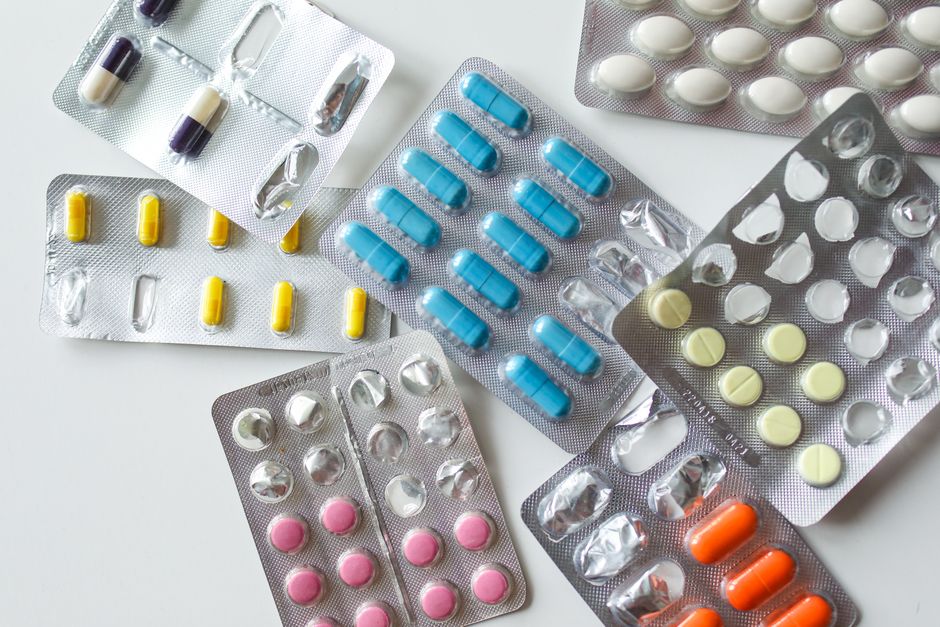
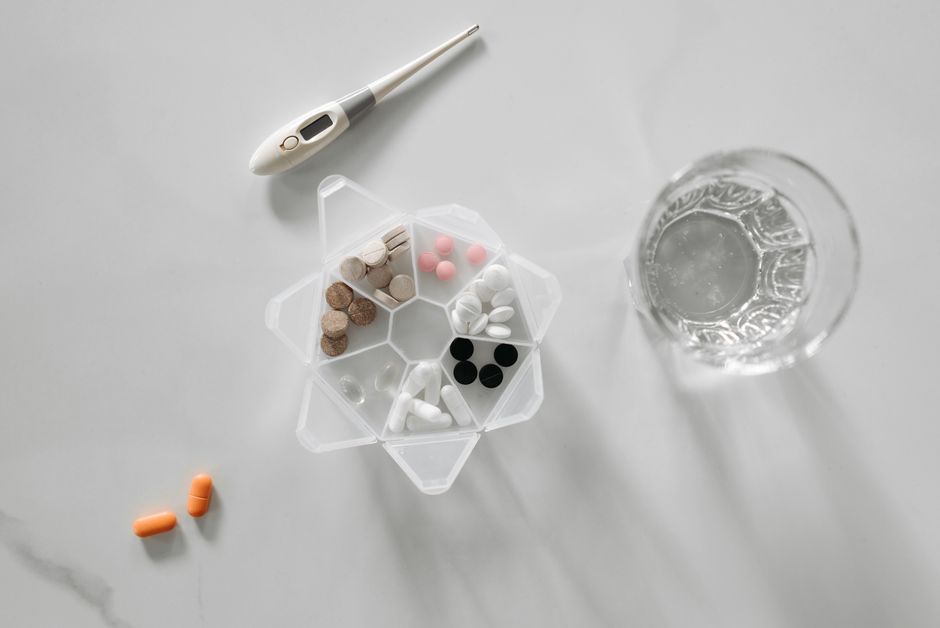
For most non-controlled prescription medicines, this is simple. Keep your medicine in the original packaging. Bring a copy of your prescription, ideally in English. Carry no more than a 30-day supply for any single medicine.
That 30-day figure is the personal use allowance recognised at Thai customs for most prescription drugs. Some controlled drugs may be allowed in larger quantities under a valid Thai FDA permit, but the default limit for undeclared prescription medicines is 30 days. Bringing more than that, even for a clear medical need, can attract scrutiny.
Common medicines such as blood pressure tablets, diabetes medications, thyroid drugs, and standard antibiotics do not require a permit. They need to be clearly labelled, in original packaging, with documentation you can show if asked.
Medicines That Are Completely Banned
A small category of drugs cannot be brought into Thailand under any circumstances. These are Category 1 narcotics under Thai law, including heroin and LSD. No permit, no prescription, and no documentation will change this. If your home-country medication sits in this category, speak to your prescribing doctor before you book your flights. An alternative must be in place before you travel.
If you are unsure where your medicine sits in the Thai classification system, check with the Thai FDA directly or contact your country’s embassy. Do not guess.
Controlled Medicines That Need a Permit
ADHD Medicines, Strong Painkillers and Sleeping Pills
This is where most people run into trouble, and where preparation matters most.
Methylphenidate (Ritalin, Concerta) is a controlled narcotic in Thailand and requires a Thai FDA traveller permit before you arrive. Amphetamine salts (Adderall, Vyvanse, Dexedrine) are a different matter entirely. The Thai FDA classifies amphetamine and dextroamphetamine under Schedule I of the Narcotics Code, the same prohibited category as heroin. No permit exists for them. If your ADHD medication is amphetamine-based, it cannot legally enter Thailand under any circumstances. Speak to your prescribing doctor before you travel. Apply through the official Thai FDA portal at permitfortraveler.fda.moph.go.th. Apply at least 15 days before your departure date, as processing takes time and incomplete applications are returned. Allowing more time is wise if your travel dates are flexible.
Tramadol is a controlled narcotic under Thai law. Codeine is a Schedule II narcotic. Both require a permit. Many travellers are surprised by this because tramadol is treated as a mild painkiller in many countries. Here, it sits in the same classification as other controlled opioids. Morphine and other strong opioids follow the same rule.
Benzodiazepines such as diazepam and alprazolam (Xanax) are Schedule IV psychotropic substances. Within the 30-day personal use limit, a formal permit is not always required, but you should always carry your prescription and a doctor’s letter. Quantities above 30 days will attract attention. Zopiclone and zolpidem fall into the same psychotropic category and carry the same advice.
Pregabalin is controlled in Thailand and documentation is strongly advised. If you take it regularly, bring the full paper trail.
| Medicine | Common Brand | Thai Classification | Permit Required? |
|---|---|---|---|
| Methylphenidate | Ritalin, Concerta | Schedule II Narcotic | Yes |
| Amphetamine salts | Adderall, Vyvanse | Schedule I Narcotic (prohibited) | Cannot be brought in |
| Tramadol | Ultram, Tramal | Category 2 Narcotic | Yes |
| Codeine | Various | Schedule II Narcotic | Yes |
| Morphine | Various | Category 2 Narcotic | Yes |
| Diazepam | Valium | Schedule IV Psychotropic | Carry prescription |
| Alprazolam | Xanax | Schedule IV Psychotropic | Carry prescription |
| Zopiclone | Zimovane | Schedule IV Psychotropic | Carry prescription |
| Pregabalin | Lyrica | Controlled substance | Documentation advised |
Classifications are based on current Thai FDA scheduling. Confirm your specific medication directly with the Thai FDA before travel, as schedules are updated periodically.
Documents to Carry
For any controlled medicine, carry these four things in your hand luggage, not in checked baggage. First, the original prescription from your doctor, in English if possible. Second, a doctor’s letter on clinic letterhead confirming your diagnosis, the medicine you take, and your daily dose. Third, your Thai FDA traveller permit if the drug requires one. Fourth, the medicine in its original, labelled packaging.
When you apply online at permitfortraveler.fda.moph.go.th, the permit form generates automatically based on your application. Print the approved permit and keep it with your other documents.
For non-controlled prescription medicines, a prescription copy and the original packaging are enough. A doctor’s letter in English adds a useful layer if you are asked questions at the border.
What to Do if Customs Holds Your Medicine
Stay calm. This happens, especially with controlled drugs in borderline categories. Ask the customs officer for a written confiscation receipt and note their name and badge number. Do not argue.
Contact your country’s embassy or consulate as soon as you can. They cannot override Thai law, but they can help with communication and point you toward a registered local doctor who can provide supporting documentation.
If you arrive in Pattaya and your medication was held at Suvarnabhumi or U-Tapao, come to Doctor Pattaya the same day if you can. We can assess you, confirm your diagnosis, and write a local medical certificate. For some medicines, we can prescribe a locally available equivalent. For ADHD stimulants specifically, no legal local substitute exists, and we will tell you that plainly. We will not send you away without a clear next step.
Keep all confiscation paperwork. It may support a formal appeal through the Thai FDA, though the timeline for that process is not short.
Refilling Safely Once You Arrive
Many standard prescription medicines are available at Pattaya pharmacies under different brand names, often at a lower price than at home. Blood pressure medications, cholesterol drugs, common antibiotics, and most diabetes medicines are not difficult to find here. Some may require a local prescription.
ADHD medications are a different matter. Adderall and Vyvanse are not legally available in Thailand. Ritalin and Concerta exist in the Thai system but are tightly controlled and not stocked at most pharmacies. If you rely on these and your supply runs out, you need to see a doctor, not a pharmacist. Finding an equivalent, if one exists at all, requires a proper clinical assessment.
For travellers whose medicine was confiscated or who simply need a prescription review while staying in Jomtien, Pratumnak, or Naklua, Doctor Pattaya can see you on the same day with no appointment needed. We do hotel visits too, so if you cannot make it in, call ahead and we will come to you. We can review your documentation, assess your condition, and prescribe a locally available equivalent where one exists. For a full overview of travel health services, see our travel health page.
Do not buy controlled drugs from a pharmacy without a Thai prescription. Do not buy them from anyone else. Both carry legal risks that will cause far more damage to your trip than running out of medication.
Need help with a prescription in Pattaya, or a doctor’s letter before you fly? Doctor Pattaya is open 24 hours a day, seven days a week in South Pattaya. No appointment needed. We do hotel visits across Pattaya, Jomtien, and Naklua. Walk in or call ahead and we will have you sorted.
Frequently Asked Questions
References
- Thai Food and Drug Administration. Guidance for Travelers who travel into Thailand (Version 5, 21 September 2024). Bureau of Narcotics and Psychotropic Substances Control, Thai FDA.
- Thai Food and Drug Administration. List of Narcotic Substances (Narcotics Act update, January 2024). Bureau of Narcotics and Psychotropic Substances Control, Thai FDA.
- Thai Food and Drug Administration. Restrictions on Psychotropic Substances for Travellers (Version 4, 21 September 2024). Bureau of Narcotics and Psychotropic Substances Control, Thai FDA.
- Thai FDA Traveller Permit Portal. Knowledge on Narcotics in Thailand in Terms of Import for Personal Use.
- Thai Embassy London. Bringing Medications to Thailand. Royal Thai Embassy, London.
The information in this article is for educational purposes only and does not constitute medical advice. It should not be used to self-diagnose or replace a consultation with a qualified physician. If you have concerns about your health, contact a licensed medical professional. For appointments at Doctor Pattaya, visit doctorpattaya.com.

Dr. Pipat Finn is the senior doctor at Doctor Pattaya Takecare Clinic, a 24/7 walk-in medical practice on South Pattaya Road, Chonburi, Thailand. They provide primary care, travel medicine, sexual health, vaccination, minor surgery, IV therapy, and emergency outpatient services for tourists, expatriates, and Pattaya residents. Languages: English and Thai. WhatsApp consultations: +66 95 073 5550. Call: +66 81 668 5557.