Clinically reviewed by Dr. Pipat Finn, M.D., Senior Doctor, Doctor Pattaya.
Last reviewed: November 2026
If someone near you shows sudden face drooping, arm weakness, or slurred speech, call an ambulance immediately. In Pattaya, dial 1669 for the national ambulance service or call Bangkok Hospital Pattaya directly on 1719. Do not drive to the hospital yourself. Time is the single most important factor in stroke survival and recovery.
You are three days into your holiday, sitting at breakfast in your hotel, when the person across from you suddenly cannot lift their coffee cup. Their words come out wrong. One side of their face looks different. This is not food poisoning or too much sun. This is a stroke, and what you do in the next few minutes matters more than anything else that happens today.
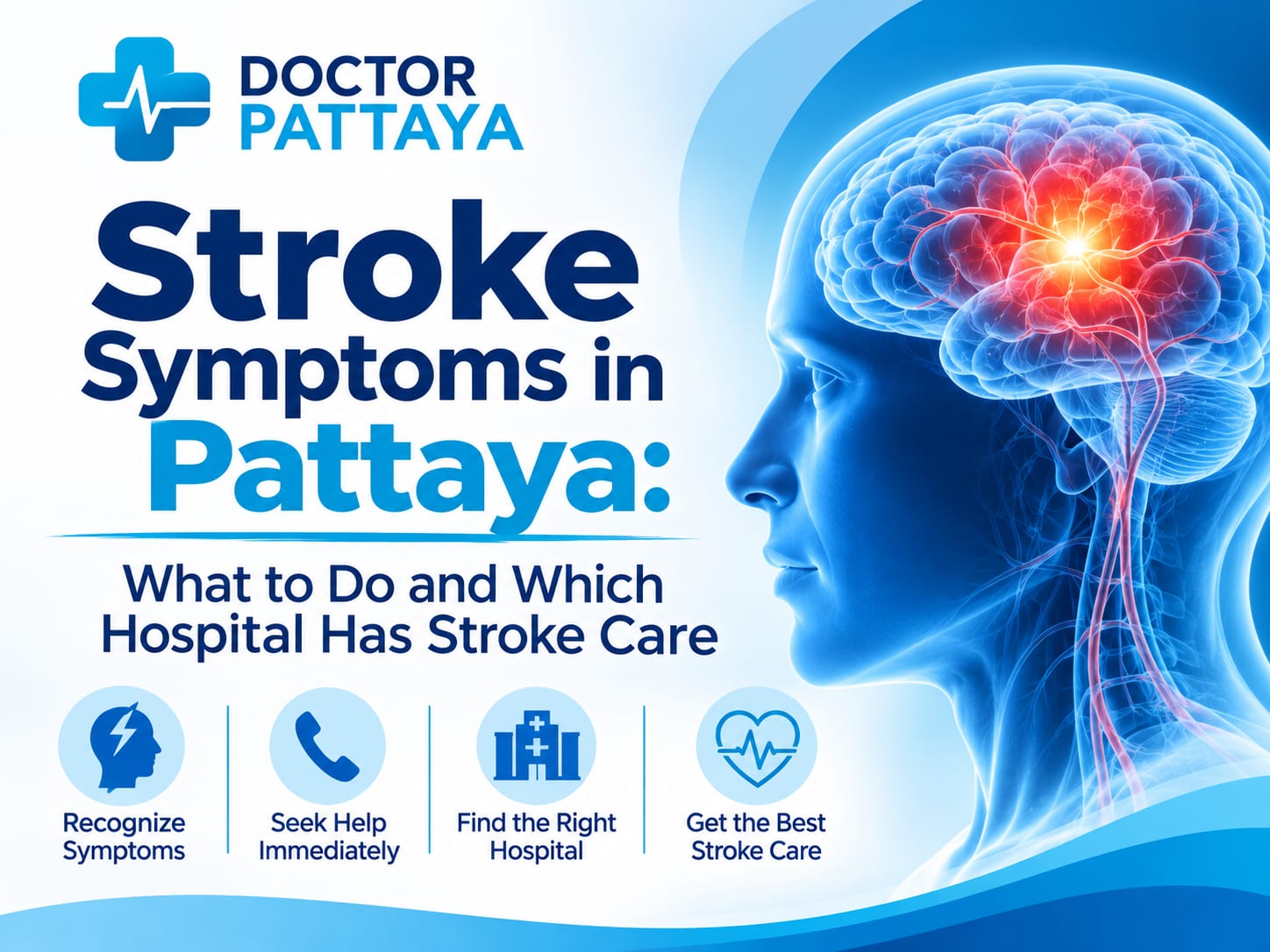
Strokes are time-sensitive neurological emergencies. The brain needs blood to survive, and when that supply is cut off or disrupted, every minute counts. Pattaya has hospitals with dedicated stroke units. Knowing where to go, what to say, and who to call before you ever need this information is what this page is for.

Recognising a Stroke in Pattaya With BE FAST
BE FAST is the tool doctors and paramedics use everywhere, and it works. Run through it quickly if you are unsure.
Balance: has the person suddenly lost their balance or coordination? Eyes: are they having trouble seeing, in one or both eyes? Face: ask them to smile. Does one side droop? Arms: ask them to raise both arms. Does one drift downward? Speech: is their speech slurred, confused, or impossible to follow? Time: if any of these are present, act now.
You do not need all of them. One is enough to call for help. Some strokes are dramatic. Others start with something that looks minor, a word that will not come, a hand that feels strange. Do not wait to see if it passes.
Why Every Minute Matters
There are two main types of stroke. An ischaemic stroke, the more common type, happens when a blood clot blocks a vessel in the brain. A haemorrhagic stroke happens when a blood vessel breaks and bleeds into the brain. Both are serious. Both require immediate hospital care.
For ischaemic strokes, there is a clot-busting medication called tPA that can significantly reduce damage. It only works within a specific time window from when symptoms start, and that window is tight. Getting to the right hospital fast is the single most important thing anyone can do.
The phrase "time is brain" is not a slogan. Brain cells die quickly when blood flow stops. Treatment that arrives an hour earlier can mean the difference between a full recovery and lasting disability.
Who to Call for a Stroke Emergency in Pattaya
Call first. Drive second, if at all.
Dial 1669 for Thailand’s national emergency ambulance service. This is free and available around the clock. For many parts of Pattaya, calling Bangkok Hospital Pattaya directly on 1719 connects you to their private ambulance, which some expats and locals find arrives faster. If you are unsure which to call, start with 1669 and also call the nearest private hospital while you wait.
Do not call Tourist Police (1155) for a medical emergency. They can help with language barriers but cannot dispatch paramedics. If you are at a hotel, tell the front desk immediately. Hotel staff in Pattaya deal with medical emergencies regularly and know how to direct the response.
Ambulance Versus Taxi
Take the ambulance. Always.
A taxi gets you to the door. An ambulance brings trained personnel who begin assessment on the way and alert the hospital so the stroke team is ready when you arrive. That handover can make a real difference to how quickly treatment starts.
If you have travel insurance, most comprehensive policies cover emergency ambulance transport. Tell the driver and the hospital your insurance details immediately on arrival. If you have a known condition such as hypertension or atrial fibrillation, check your policy’s pre-existing condition terms before you need them.
Hospitals With Stroke Units in Pattaya
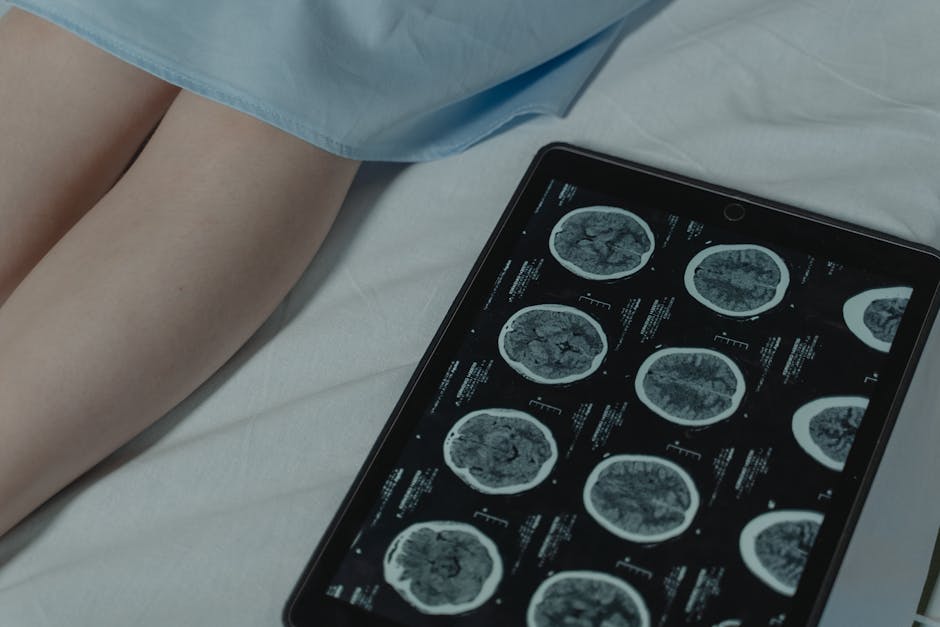
Bangkok Hospital Pattaya and Bangkok Pattaya Hospital are the two main private hospitals in the city with dedicated stroke unit capability. Both have neurological specialists, CT and MRI imaging, and international patient services including English-speaking staff.
When you arrive, say clearly: "I think this person is having a stroke" and state the exact time symptoms started. That time is critical for the treatment team. Bring the patient’s passport, any medications they take, and insurance documents if they are accessible without delaying your departure.
For public hospital care, Pattaya Memorial Hospital handles emergencies. Private hospitals generally offer faster stroke pathway activation and better English language support for tourists and expats.
Mini-Strokes and What to Do After
A TIA, or transient ischaemic attack, is what people call a mini-stroke. Symptoms look identical to a full stroke but resolve within a short time, often minutes to hours, leaving no lasting damage.
Do not be reassured by the fact that it passed. A TIA is a serious warning sign. The risk of a full stroke is highest in the days immediately after a TIA, which is why same-day assessment is recommended regardless of how well the person feels now.
Assessment should include a blood pressure check, an ECG to look for atrial fibrillation, and referral for brain imaging and a carotid ultrasound. If you or someone you are with had symptoms that have now resolved, call Doctor Pattaya. We can conduct an initial assessment, check blood pressure and ECG, and arrange an urgent neurology referral if needed.
Doctor Pattaya also supports post-discharge care once a patient leaves hospital. Prescription continuity, blood pressure monitoring, and medication management are all things expats often need help with after a hospital stay. Our 24/7 emergency care service is available any time of day or night.
Reducing Stroke Risk While in Pattaya
The standard stroke risk factors apply everywhere: high blood pressure, uncontrolled diabetes, smoking, atrial fibrillation, and high cholesterol. Pattaya adds its own layer.
Heat and dehydration are real contributors. The humidity here causes significant fluid loss. Dehydration raises blood viscosity and can spike blood pressure, particularly in older adults. Add alcohol to that picture and the risk compounds further. Heavy regular drinking is linked to atrial fibrillation, a heart rhythm disorder that significantly increases stroke risk. If you are drinking regularly, that is worth a conversation with a doctor.
Many long-term expats in Pattaya have hypertension they know about but manage inconsistently, partly due to gaps in routine health checks or running out of their usual medications. Stopping blood pressure medication without guidance, even briefly, can cause rebound spikes. If your prescription has run out, Doctor Pattaya can help with a medication review and ongoing monitoring.
We see patients from across South Pattaya, Jomtien, Pratumnak Hill, and Naklua, and can arrange hotel visits for patients who are not mobile. If you are staying near Jomtien Beach or up near Naklua, you do not need to travel far to get checked. For anyone who has not had a blood pressure check in a while, that is an easy place to start. High blood pressure often has no symptoms until something goes wrong.
If you have recently had an accident or injury and are also concerned about neurological symptoms, our accident and injury treatment page has more on how we handle urgent presentations.
Worried about stroke symptoms or had a recent TIA? Doctor Pattaya is open 24 hours a day, every day. We are based in South Pattaya and offer doctor hotel visits across Pattaya, Jomtien, Pratumnak, and Naklua. We can conduct initial neurological assessments, run an ECG, check your blood pressure, and arrange urgent specialist referrals when needed. Walk in any time, or call ahead.
Frequently Asked Questions
References
- Powers WJ, Rabinstein AA, Ackerson T, et al. Guidelines for the Early Management of Patients With Acute Ischemic Stroke: 2019 Update to the 2018 Guidelines for the Early Management of Acute Ischemic Stroke. Stroke. 2019;50(12):e344–e418.
- Rothwell PM, Giles MF, Chandratheva A, et al. Effect of urgent treatment of transient ischaemic attack and minor stroke on early recurrent stroke (EXPRESS study): a prospective population-based sequential comparison. Lancet. 2007;370(9596):1432–1442.
- Coull AJ, Lovett JK, Rothwell PM; Oxford Vascular Study. Population based study of early risk of stroke after transient ischaemic attack or minor stroke: implications for public education and organisation of services. BMJ. 2004;328(7435):326.
- Aroor S, Singh R, Goldstein LB. BE-FAST (Balance, Eyes, Face, Arm, Speech, Time): Reducing the Proportion of Strokes Missed Using the FAST Mnemonic. Stroke. 2017;48(2):479–481.
- Bangkok Hospital Pattaya. Stroke Outcome and Stroke Fast Track Programme. Bangkok Hospital Pattaya, 2025.
- World Health Organization. The top 10 causes of death. WHO, 2024.
The information in this article is for educational purposes only and does not constitute medical advice. It should not be used to self-diagnose or replace a consultation with a qualified physician. If you have concerns about your health, contact a licensed medical professional. For appointments at Doctor Pattaya, visit doctorpattaya.com.

Dr. Pipat Finn is the senior doctor at Doctor Pattaya Takecare Clinic, a 24/7 walk-in medical practice on South Pattaya Road, Chonburi, Thailand. They provide primary care, travel medicine, sexual health, vaccination, minor surgery, IV therapy, and emergency outpatient services for tourists, expatriates, and Pattaya residents. Languages: English and Thai. WhatsApp consultations: +66 95 073 5550. Call: +66 81 668 5557.