
Clinically reviewed by Dr. Pipat Finn, M.D., Senior Doctor, Doctor Pattaya.
Last reviewed: November 2026
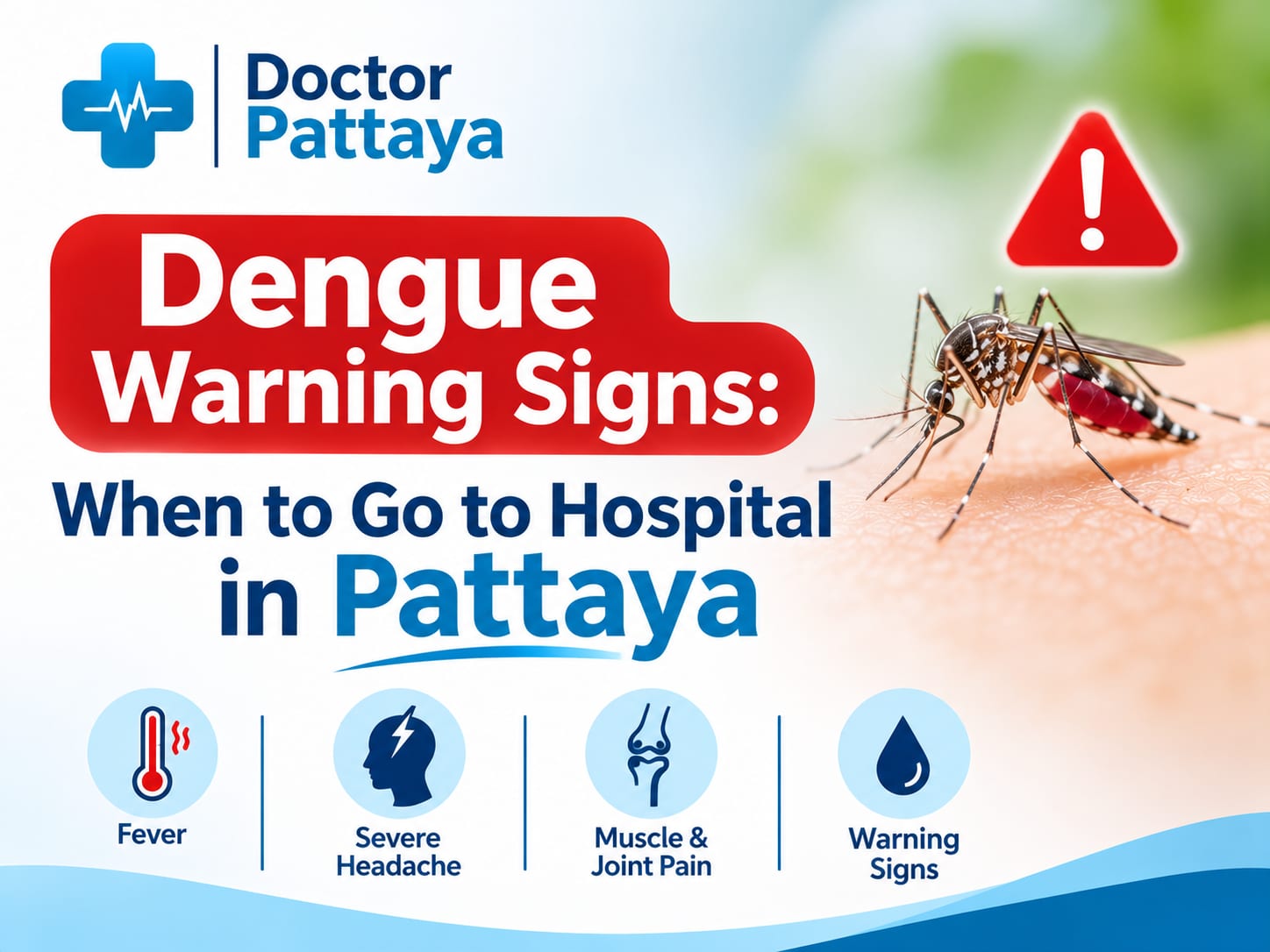
Dengue warning signs usually appear between days three and seven of illness, often just as the fever starts to drop. The dangerous phase is not the fever itself. Watch for severe abdominal pain, persistent vomiting, bleeding from gums or nose, extreme restlessness or drowsiness, and a rapid drop in blood pressure. Any of these need same-day medical assessment, not a wait-and-see approach.
You felt rough for a couple of days, the fever seemed to be easing off, and you thought you were turning a corner. Then something shifted. Your stomach hurt in a way that did not feel normal. You could not keep water down. That moment, when dengue seems to be improving, is exactly when it can become dangerous.
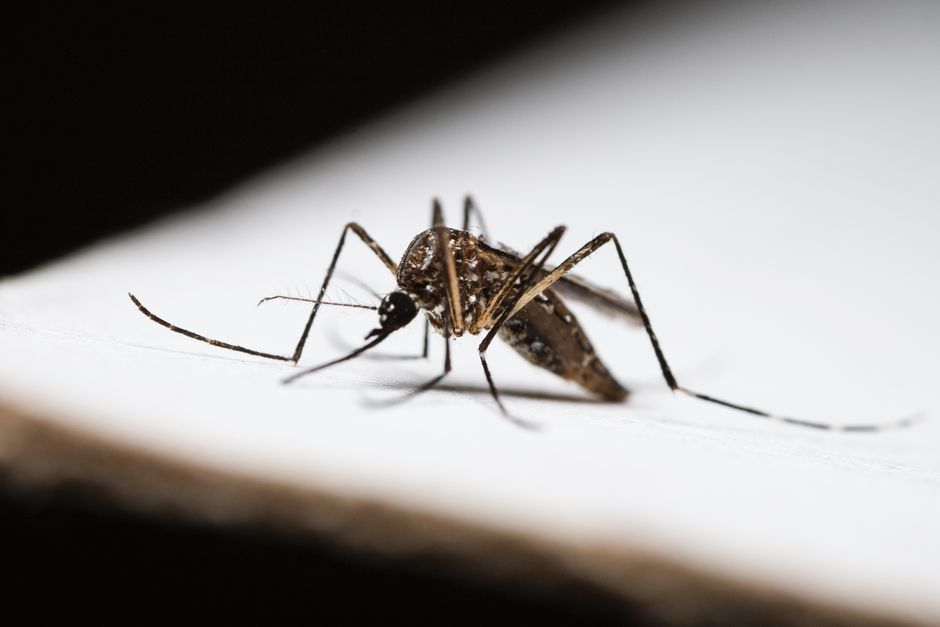
The Aedes mosquito bites during the day. It breeds around Pattaya’s khlongs and gardens, and Chonburi province sees some of the highest dengue case numbers in Thailand each year, particularly during and after the rainy season. Most people recover without hospital admission. The job right now is knowing which signs mean you can rest at the hotel, and which signs mean you need to be seen today.
Dengue Warning Signs That Mean It Is Becoming Dangerous
Dengue moves through three phases. The first is the febrile phase: high fever, headache, pain behind the eyes, and joint or muscle ache. This phase feels terrible but is rarely the emergency. The critical phase comes next, typically between days three and seven, and it often starts right as the fever drops. This is what catches people off guard.
If you have had dengue before, your risk of a more severe illness is higher. A second infection with a different dengue serotype can produce a more intense immune response. Long-stay expats in Pattaya should factor this in and tell their doctor about any prior dengue.
Bleeding, Persistent Vomiting and Severe Abdominal Pain
During the critical phase, fluid shifts out of the bloodstream into surrounding tissue. The signs that this is happening include severe abdominal pain or tenderness, vomiting that will not stop, and bleeding from the gums, nose, or in vomit. Blood in the urine or stools also counts. These are not signs to monitor from a hotel room. Get assessed the same day.
Restlessness, Drowsiness and a Drop in Blood Pressure
If significant fluid loss occurs, blood pressure can fall. The patient becomes restless, confused, or suddenly very drowsy. The hands and feet may feel cold and clammy. Breathing may become fast and shallow. This is a medical emergency. Do not wait for symptoms to worsen. Call for help immediately or go directly to an emergency facility. This is not the time for a walk-in consultation.
When to Go to Hospital Rather Than Stay at Your Hotel
Here is a practical way to think about it. If you have confirmed dengue, or strongly suspect it, and you have no warning signs, are drinking fluids well, and are passing urine regularly, careful rest with paracetamol is reasonable in the early febrile phase. The moment any of the following happen, the calculation changes: you stop keeping fluids down, you notice bleeding anywhere, your urine output drops significantly, or you feel suddenly worse after feeling like you were improving.
Monitoring urine output matters more than most patients realise. Going several hours without urinating is a sign of dehydration or fluid loss that needs clinical assessment. At Doctor Pattaya, we check vitals, run an NS1 antigen test, and look at your platelet count before advising whether you can be managed as an outpatient or need hospital-level care. If you are staying near Jomtien Beach or Pratumnak Hill, you do not need to travel far to get that assessment.

What Treatment in Hospital Usually Involves
Hospital admission for dengue is about monitoring and fluid support. There is no antiviral treatment for dengue that has been shown to shorten illness in clinical trials. What hospital does is keep close watch on your blood count, blood pressure, and fluid balance while your immune system clears the virus.
Fluids, Platelet Checks and What Does Not Help
Intravenous fluids are given carefully, because both too little and too much fluid can cause problems in dengue. Platelet counts are monitored regularly. A falling platelet count is expected with dengue, but the number alone does not decide whether a transfusion is needed. Clinical signs, bleeding, and overall condition matter as much as the count. Platelet transfusions are reserved for specific clinical situations guided by the treating team.
One thing that does real harm: ibuprofen, aspirin, naproxen, and other NSAIDs. These increase bleeding risk in dengue. If you have taken ibuprofen for the fever before you knew it might be dengue, tell your doctor. Paracetamol at standard doses is the only safe painkiller to use until dengue is ruled out. This applies at the hotel, at the clinic, and in hospital.
How Long Dengue Usually Lasts in Adults
The acute fever phase typically lasts between two and seven days. The critical phase, if it occurs, generally lasts around 24 to 48 hours and overlaps with or follows the fever phase. After that comes the recovery phase, where the platelet count begins to recover and appetite slowly returns. Total illness from first fever to feeling broadly normal is usually one to two weeks in uncomplicated dengue.
Recovery, Fatigue and Going Back to Normal Activity
Do not mistake the recovery phase for being well. Post-dengue fatigue can last for weeks after the fever clears. Patients who push too hard, too soon, often feel worse again. Keep drinking fluids, including oral rehydration solutions if you have had significant fluid loss.
Alcohol taxes a liver that is already under stress from the infection. Avoid it until you are genuinely well. Pattaya’s heat and humidity add to dehydration risk, so staying cool and hydrated during recovery matters more here than it might in a cooler climate. Return to exercise gradually. Competitive sport and heavy physical activity should wait until a follow-up blood count confirms your platelet count has normalised.
Get Assessed at a Clinic If You Are Unsure About Dengue Warning Signs
If you are in Pattaya with a fever and are not sure whether it is dengue, do not wait to find out the hard way. An NS1 antigen test is most reliable in the first three days of fever, though it can detect the virus up to around day five in some cases; a negative result late in the febrile phase does not rule out dengue. A full blood count shows early platelet changes before clinical signs appear.
These tests are available at Doctor Pattaya around the clock, without a referral. You can walk in or book a doctor hotel visit if leaving your room feels like too much. For anyone staying near Walking Street or Naklua, we can reach you directly. For more on when fever becomes a clinical concern, see our fever treatment page.
If you have a fever in Pattaya and dengue is possible, get assessed before the warning signs appear. Doctor Pattaya is open 24 hours a day for walk-in consultations, NS1 antigen testing, and full blood count monitoring. We also offer doctor hotel visits across Pattaya, Jomtien, and Naklua. Come in, call us, or book a hotel visit through doctorpattaya.com.
Frequently Asked Questions
References
- World Health Organization. Dengue and severe dengue. WHO Fact Sheet, 2024.
- Centers for Disease Control and Prevention. Clinical Signs and Symptoms of Dengue. CDC, 2024.
- World Health Organization. Dengue: Guidelines for diagnosis, treatment, prevention and control. WHO, 2009.
- Peeling RW et al. Evaluation of diagnostic tests: dengue. Nature Reviews Microbiology, 2010. PMC2930874.
- Halstead SB. Dengue. Lancet. 2007;370(9599):1644-1652.
- Muller DA et al. Evaluation of a dengue NS1 antigen detection assay sensitivity and specificity. PLoS Neglected Tropical Diseases, 2014. PMC4183466.
The information in this article is for educational purposes only and does not constitute medical advice. It should not be used to self-diagnose or replace a consultation with a qualified physician. If you have concerns about your health, contact a licensed medical professional. For appointments at Doctor Pattaya, visit doctorpattaya.com.

Dr. Pipat Finn is the senior doctor at Doctor Pattaya Takecare Clinic, a 24/7 walk-in medical practice on South Pattaya Road, Chonburi, Thailand. They provide primary care, travel medicine, sexual health, vaccination, minor surgery, IV therapy, and emergency outpatient services for tourists, expatriates, and Pattaya residents. Languages: English and Thai. WhatsApp consultations: +66 95 073 5550. Call: +66 81 668 5557.