Clinically reviewed by Dr. Pipat Finn, M.D., Senior Doctor, Doctor Pattaya.
Last reviewed: November 2026
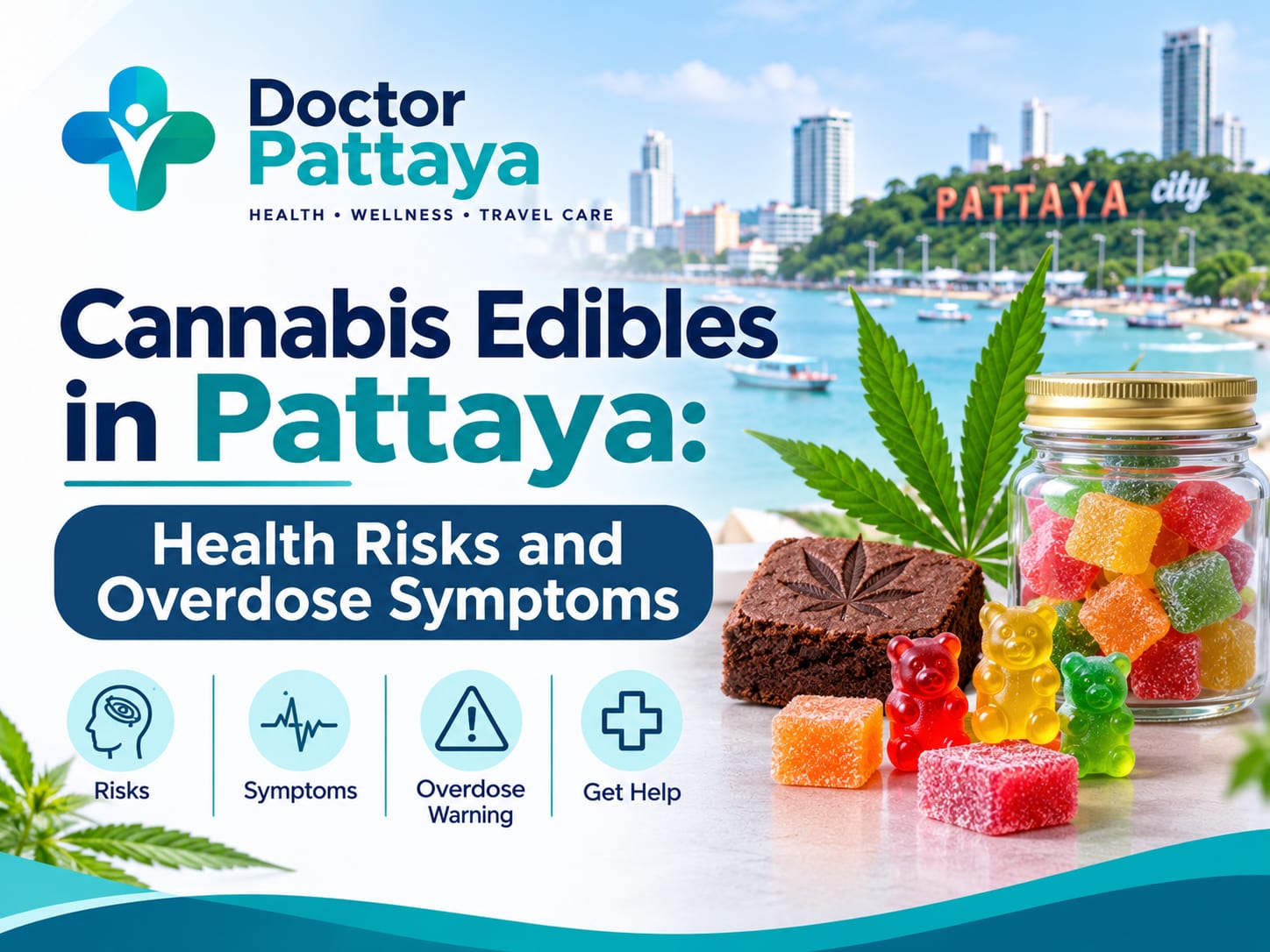
Cannabis edibles in Pattaya can hit much harder than expected, especially products sold without clear dosing labels. The most common effects of taking too much include rapid heart rate, intense anxiety, nausea, and vomiting. These symptoms are rarely life-threatening in healthy adults, but they can feel terrifying. If you are struggling, Doctor Pattaya is open 24 hours a day and your visit is completely confidential.
You grabbed something from a shop near Walking Street, tried half, waited an hour, felt nothing, and took the rest. Now it is 2am and your heart is pounding and the room will not stop spinning. This is one of the most common edible mistakes, and it happens to experienced users too. The delay tricks you every time.
The good news: a bad cannabis reaction in an otherwise healthy adult is very rarely dangerous. The bad news: it can feel like it is. Knowing what to watch for and when to get help will make the next few hours a lot easier to get through.

Current Cannabis Rules in Thailand
Thailand moved cannabis back to a medical-only framework beginning in mid-2025, with further regulations issued in 2026. Cannabis is now legal only for medical use with a valid prescription. Recreational use, including buying or possessing THC edibles without a prescription, carries penalties under Thai law.
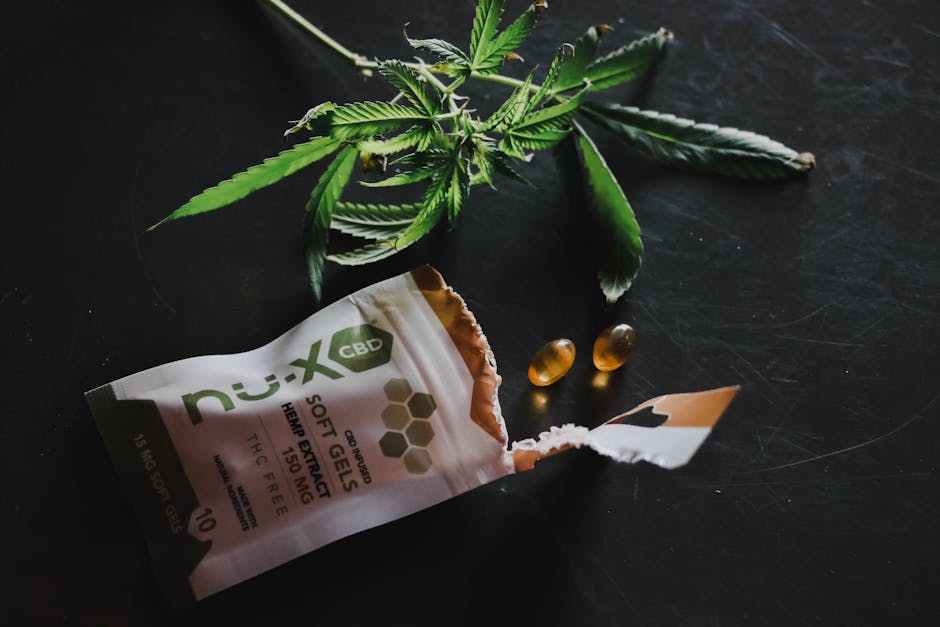
The products sold informally around Pattaya, including space cookies, THC gummies, and infused drinks, are not Thai FDA-approved. They are not part of the licensed medical supply chain. If you bought something from a street vendor or an unlabelled shop, you have no way of knowing the actual THC content.
This matters clinically. Unlicensed products here are not standardised. A gummy that looks identical to one you have had before could contain a very different amount of THC. That is the central risk with cannabis in Pattaya.
Why Edibles Hit Harder Than Smoking
When you eat cannabis, your liver converts the THC into a compound that crosses into the brain more readily than inhaled THC. It tends to produce a stronger, longer-lasting effect than smoking the same amount.
The other problem is the delay. You may feel nothing for 30 minutes to 2 hours after eating an edible. That window tempts people into taking more, which is exactly how most bad reactions start.
Heat and dehydration make this worse. A full day at Jomtien Beach raises your heart rate and lowers your blood pressure slightly. Add THC on top of that and the dizziness and racing pulse hit harder than they would in a cool environment at home.
Symptoms of Taking Too Much Cannabis
Most people describe the experience as going from nothing to overwhelming very quickly. The symptoms tend to arrive together, not one at a time.
The most common are intense anxiety, a racing heart, nausea, dizziness, and a strong sense that something is very wrong. Some people feel confused or lose track of where they are. Others feel their thoughts speeding up in a loop they cannot stop.
It is frightening but it does pass. Symptoms from edibles can last several hours because of how the liver processes them. Resting in a quiet, cool space is a reasonable approach if your symptoms are unpleasant but stable.
Panic, Vomiting, and Fast Heart Rate
A fast heart rate and chest tightness are the symptoms that most often bring people to the clinic. The elevated heart rate is a direct effect of THC, not necessarily a sign that something is wrong with your heart. That said, if you have a known heart condition, this combination is worth taking seriously.
Vomiting is also common with high doses. Severe vomiting that does not settle can lead to dehydration, and that is a reason to seek help regardless of the cause.
Panic attacks during a cannabis reaction feel indistinguishable from a medical emergency. If you know you took edibles and your symptoms match what is described here, that awareness helps. Breathing slowly and staying in a calm, cool space gives your body time to come down.
What Makes Pattaya Edibles Especially Risky
Products sold through informal channels here have no standardised dose, no batch testing, and no regulatory oversight. A cookie from one source may contain a very different amount of THC than one that looks almost identical from somewhere else.
Tourists are also often arriving with no tolerance. Someone who last used cannabis occasionally at home in a mild, cool climate is not prepared for a potent unlabelled edible eaten in 35-degree heat after a day of drinking. The variables stack up fast.
If you are on regular medication, that adds another layer of risk entirely. Our travel health service can go through your medications with you before you use anything.
Mixing Cannabis With Alcohol or Other Medicines
Combining cannabis with alcohol significantly increases the effects of both. If you drank earlier in the evening and then took an edible, you are dealing with a compounded reaction, not just a cannabis reaction.
For people on regular medications, the interaction risk is specific. Cannabis is processed through the same liver enzyme system that handles many common drugs. This means it can alter how your body handles warfarin (a blood thinner), benzodiazepines, SSRIs (antidepressants), and certain blood pressure medications, increasing or reducing their effect unpredictably.
If you are on any regular medication and you are having a reaction, tell the doctor what you take. Knowing your full medication list changes what we look for.
Self-Care in the First Hour
Move to a quiet, cool space. Sit or lie down somewhere safe. Do not take more cannabis and do not drink alcohol. Drink water steadily. If you have a friend with you, ask them to stay nearby.
Do not drive. Do not get in the water. Do not take any medication you were not already prescribed without speaking to a doctor first. That includes over-the-counter sleeping tablets or antihistamines.
Note roughly how much you took and when. If you end up coming in to see us, that information is useful. The anxiety tends to peak and then gradually reduce. Most people who get through the first 30 to 60 minutes without deteriorating come out the other side without needing clinical help.
When to Call a Doctor
Most cannabis reactions resolve with rest, hydration, and time. Seek help if you have chest pain that does not ease when you calm down, difficulty breathing, a seizure, loss of consciousness, or if the person cannot be woken.
You should also seek help if vomiting is severe and continuous and you cannot keep water down, if symptoms are getting worse rather than better after two hours, or if the person has a known heart condition and their heart rate is not settling.
Doctor Pattaya is open 24 hours. You can call ahead before deciding whether to come in. If you are in Jomtien, Naklua, or anywhere across South Pattaya, a doctor hotel visit is available so you do not have to travel if you are not able to do so safely.
What to Tell the Doctor and What They Will Not Do
Tell us what you took, how much, and roughly when. Tell us your regular medications. Tell us if you have been drinking. None of this will be used against you legally. Medical consultations at Doctor Pattaya are confidential. We are not a reporting service.
Treatment for a cannabis reaction is supportive. We monitor your heart rate, blood pressure, and oxygen level. If you are dehydrated from vomiting, an IV drip helps stabilise you. There is no antidote for THC, but there is a lot we can do to make you comfortable and safe while your body processes it.
Feeling overwhelmed after taking cannabis edibles in Pattaya? Doctor Pattaya is open 24 hours a day, every day. Walk in to our clinic in South Pattaya or request a doctor hotel visit anywhere across Pattaya, Jomtien, or Naklua. Your consultation is fully confidential. We will check your vitals, manage your symptoms, and tell you exactly what is happening and what to expect next. Contact us here.
Frequently Asked Questions
References
- Grotenhermen F. Pharmacokinetics and pharmacodynamics of cannabinoids. Clinical Pharmacokinetics, 2003.
- Alsherbiny MA, Li CG. Medicinal Cannabis: Potential Drug Interactions. Medicines, 2019. (Clinical Relevance of Drug Interactions with Cannabis: A Systematic Review, J Clin Med 2022, PMID 35268245)
- National Institute on Drug Abuse (NIDA). Cannabis (Marijuana) Research Report. U.S. Department of Health and Human Services, 2020.
- ILCT Law Firm. Thailand Cannabis Criminalization Update. July 2025.
The information in this article is for educational purposes only and does not constitute medical advice. It should not be used to self-diagnose or replace a consultation with a qualified physician. If you have concerns about your health, contact a licensed medical professional. For appointments at Doctor Pattaya, visit doctorpattaya.com.

Dr. Pipat Finn is the senior doctor at Doctor Pattaya Takecare Clinic, a 24/7 walk-in medical practice on South Pattaya Road, Chonburi, Thailand. They provide primary care, travel medicine, sexual health, vaccination, minor surgery, IV therapy, and emergency outpatient services for tourists, expatriates, and Pattaya residents. Languages: English and Thai. WhatsApp consultations: +66 95 073 5550. Call: +66 81 668 5557.