Clinically reviewed by Dr. Pipat Finn, M.D., Senior Doctor, Doctor Pattaya. Last reviewed: August 2026
Yes, you can get herpes from kissing. HSV-1, the virus behind most cold sores, spreads through direct lip and mouth contact and can pass even when no sore is visible. The risk from a single kiss is low but real. If you are worried about an exposure in Pattaya, Doctor Pattaya is open 24 hours a day, seven days a week, and can test and advise you the same day.
You are a few days into your Pattaya trip, maybe you had a good night somewhere along Beach Road or ended up at a beach bar in Jomtien, and now you are sitting in your hotel room wondering if you need to be worried. It is one of the more common questions we field here, and there is no embarrassment in asking it. Herpes is one of the most widespread viral infections in the world. The stigma is genuinely bigger than the medical reality for most healthy adults.
What follows is what you actually need to know: which strain is involved, when the risk is highest, and what to do if you think you have been exposed. No lecture, no unnecessary detail. Just the practical stuff.

The Difference Between HSV-1 and HSV-2 When It Comes to Kissing
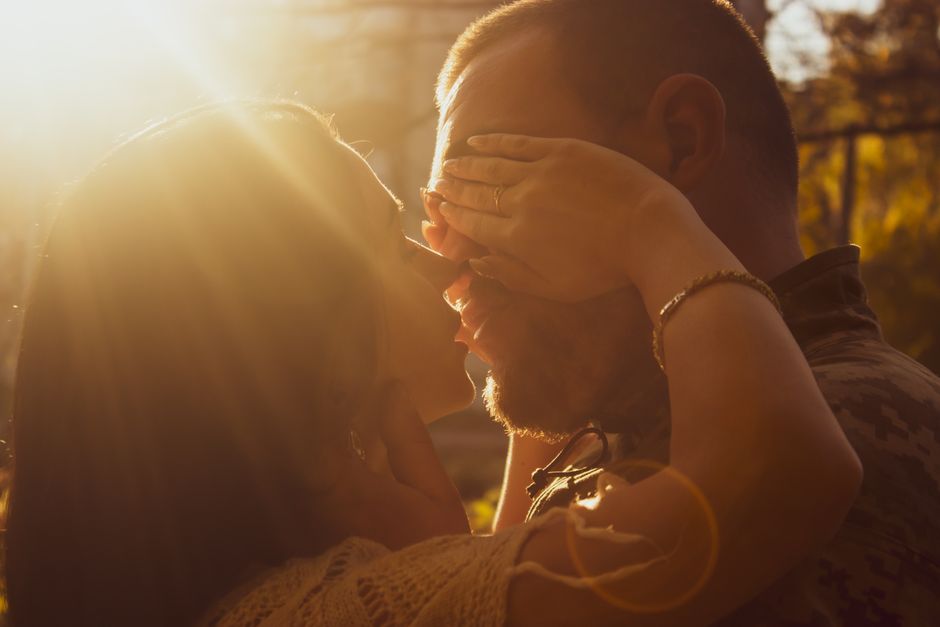
HSV-1 is the strain that spreads through oral contact. Kissing, sharing a drink, even a quick peck when someone has a cold sore forming. Most people who carry HSV-1 picked it up in childhood, often from a family member rather than a romantic partner.
HSV-2 is different. It lives in the genital nerve pathway and spreads through genital contact. Kissing someone on the mouth does not give you genital herpes. The two strains operate in separate nerve systems, and the virus stays in whichever one it entered through.
There is one exception worth knowing. If someone with oral HSV-1 performs oral sex on a partner, HSV-1 can transfer to the genital area through that mouth-to-genitals route. A standard kiss on the lips does not put your genitals at risk. That is a completely different situation and we cover it further down.
Can You Get Herpes From Kissing Without a Cold Sore?
This is the question I hear most often. The honest answer is yes. HSV-1 sheds from the mouth even when no sore is visible. Your body gives you no warning, and neither does the other person.
Research suggests HSV-1 sheds on roughly three to five percent of days in people who carry it. That sounds low, but across a holiday or a year, it adds up. You cannot look at someone’s lips and know whether they are shedding.
The risk is highest when a sore is active, during the tingling or burning phase just before a sore appears, or right after one heals. Kissing someone at any of those points carries meaningfully higher risk than kissing someone with no recent outbreak and no symptoms.
What Makes the Risk Go Up?
An active cold sore, or one that is still healing, is the biggest risk factor. Broken skin, cuts, or sores on your own lips also matter, since the virus needs a way through the skin barrier.
Longer, closer contact carries more risk than a brief peck. Saliva alone is a weaker transmission route than direct skin-to-skin contact at the lips. Sharing a cigarette, a straw, or lip balm during an active outbreak also counts as a potential route.
Certain things can trigger a reactivation in someone who already carries HSV-1. Sun exposure, illness, stress, and broken sleep are common triggers. After a big night out, your immune system can take a short-term dip. That is not a reason to panic, but it is useful context.
Can You Get Genital Herpes From Kissing?
No, not from mouth-to-mouth kissing. I want to be clear about this because a lot of patients come in confused by what they have read online.
Herpes does not migrate through the body from one site to another. HSV-1 entering through the mouth stays in the oral nerve pathway. Genital herpes is a separate infection caused mainly by HSV-2, which spreads through genital contact.
The exception, as mentioned above, is oral sex. If someone with oral HSV-1 performs oral sex, they can transmit HSV-1 to their partner’s genital area. That is a mouth-to-genitals route and a different conversation. If that is your specific concern, speak to a doctor directly rather than trying to piece it together from search results.
What to Do Right Now If You Are Worried
Take a breath. If the exposure was recent and you have no symptoms yet, there is no immediate emergency. What you want is a clear picture of your situation, not days of worrying at your hotel.
If a sore, blister, or tingling has appeared on your lips in the last day or two, get seen quickly. A swab taken from an active lesion gives the most accurate result. Do not cover it with lip balm and wait, because that active window is your best testing window.
If you have no symptoms and you are still in Pattaya, you do not need to wait until you get home. Doctor Pattaya is open around the clock with no appointment needed. Walk in, explain what happened, and we will tell you what test makes sense and when to take it.
When and How to Get Tested After a Kissing Exposure
Timing matters here. A blood test looks for HSV antibodies, which your immune system takes time to produce. Testing too soon often returns a false negative even if infection did occur. The reliable window is six to twelve weeks after the exposure.
If you have an active sore, a PCR swab taken directly from the lesion is faster and more reliable than a blood test at that stage. It detects viral DNA and can confirm whether it is HSV-1 or HSV-2.
If you had a potential exposure but no symptoms, document when it happened and plan to test at the six-week mark at the earliest, twelve weeks for a more definitive result. Doctor Pattaya can arrange the right test at the right time so you are not second-guessing what your result actually means.
Antiviral Treatment and Reducing the Risk of Passing It On
A positive HSV-1 or HSV-2 result is not the end of the road. Antivirals such as valacyclovir and acyclovir are the standard options, and they work well.
Episodic treatment means taking antivirals when an outbreak starts. This shortens the outbreak and reduces viral shedding during that period. Suppressive therapy means taking a low daily dose continuously, which reduces how often outbreaks occur and lowers the risk of passing the virus to a partner.
Neither approach is a cure, but both are practical tools with solid evidence behind them. If you are newly diagnosed and figuring out what this means for daily life and relationships, that conversation is worth having with a doctor, not just reading about on a forum. You can find out more about treatment options through our STD treatment page.
Getting Checked in Pattaya: Why It Matters for Tourists and Expats
A lot of the patients I see in this situation are tourists who had an encounter somewhere in Pattaya, spent a few days worrying, and then flew home before doing anything about it. Then they are back home, trying to explain it to a GP who does not know the context, feeling awkward about the whole thing.
You do not have to do it that way. Doctor Pattaya’s clinic is confidential, staffed by English-speaking doctors, and open every day and every night. No appointment needed. You can walk in from your hotel in Pratumnak, Naklua, or anywhere along the coast, and we will take care of it properly.
For expats who have been here a while, the same applies. I see long-term residents who have been putting off a test for months because it never felt urgent enough. It takes less than thirty minutes. A negative result gives you peace of mind. A positive result gives you a clear path forward, handled discreetly here.
Worried about a kissing exposure in Pattaya? Doctor Pattaya’s clinic is open 24 hours a day, seven days a week, with no appointment needed. We offer same-day HSV testing, PCR swab testing for active lesions, and antiviral prescriptions on site. All consultations are fully confidential. English-speaking doctors are available around the clock. Walk in or contact us to arrange a hotel visit.
Frequently Asked Questions

Dr. Pipat Finn is the senior doctor at Doctor Pattaya Takecare Clinic, a 24/7 walk-in medical practice on South Pattaya Road, Chonburi, Thailand. They provide primary care, travel medicine, sexual health, vaccination, minor surgery, IV therapy, and emergency outpatient services for tourists, expatriates, and Pattaya residents. Languages: English and Thai. WhatsApp consultations: +66 95 073 5550. Call: +66 81 668 5557.