Clinically reviewed by Dr. Pipat Finn, M.D., Senior Doctor, Doctor Pattaya. Last reviewed: August 2026
HPV spreads through skin-to-skin contact with infected genital, anal, or oral areas. You do not need to have penetrative sex to catch it. Touching, dry sex, and oral contact can all transmit the virus. Most people who have HPV never know it, because there are often no symptoms at all.
You are a few days into your Pattaya trip and something has been sitting at the back of your mind. Maybe the encounter was low-key. Maybe there was no actual sex, just close contact. And now you are lying awake wondering whether that was enough to catch something. We hear this version of events regularly at the clinic, from tourists on Beach Road, from expats who have been here for years, and from guests the hotel concierge sent our way.
Here is where we start: HPV is the most common sexually transmitted infection in the world, and it spreads more easily than most people expect. You can catch it without penetrative sex. You can carry it for years without any sign. And for the majority of people, the immune system handles it without any treatment at all. What matters now is knowing your actual risk and knowing what to do next.
How HPV Actually Spreads
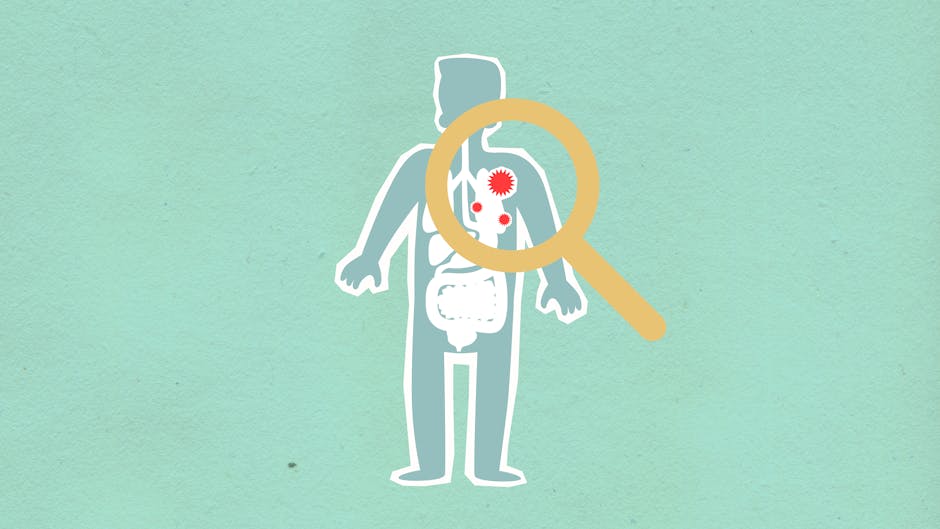
HPV does not travel through blood, saliva, or shared drinks. It spreads through direct skin-to-skin contact with infected tissue in the genital, anal, or oral area. No fluid exchange is needed.
The virus lives in the surface cells of skin and mucous membranes. When infected skin meets uninfected skin in those areas, the virus can cross over. That is the whole mechanism, and it is why exposure can happen even in brief encounters.
Condoms reduce your risk, but they do not eliminate it. HPV can spread from genital skin the condom does not cover. It can also spread during foreplay before a condom goes on. That does not make condoms pointless. They meaningfully lower your overall STI risk. But for HPV specifically, they are not a complete barrier.
Can You Get HPV Without Having Sex?
Yes, and this is the question I get most often. The honest answer surprises a lot of people.
Any skin-to-skin contact in the genital or anal area can transmit HPV. That includes hand-to-genital contact, mutual touching, and dry sex, where genitals touch without penetration. Oral sex is also a transmission route, in both directions.
There is a separate group of HPV strains that affect the hands and feet rather than the genitals. These spread through ordinary skin contact and can be picked up in wet, shared environments like pool changing rooms. They cause common warts, not genital warts, and they are not linked to cancer. Worth knowing about, but a different clinical concern entirely.
The bottom line: people with no history of penetrative intercourse have still tested positive for genital HPV. The virus does not require full sex to find a new host. If you want a fuller picture of how HPV fits into your sexual health, our page on STD treatment and testing in Pattaya covers the broader context.

The Two Groups of HPV That Matter Clinically
There are over 200 strains of HPV, but clinically they split into two groups.
Low-risk strains, mainly HPV 6 and 11, cause genital warts. Uncomfortable and contagious, but not linked to cancer. High-risk strains, particularly HPV 16 and 18, carry no obvious symptoms early on but are responsible for most cervical cancers, and also cancers of the anus, penis, throat, and vagina. These are the strains we watch carefully.
Oral HPV is increasingly linked to cancer at the back of the throat. Most oral HPV infections clear on their own, but persistent high-risk infection in the throat is a growing clinical concern. Transmission happens through oral sex.
Less Obvious Ways HPV Can Spread
A few transmission routes catch people off guard, so they are worth naming.
Hand-to-genital contact is a real route. If someone touches their own infected genitals and then a partner’s, the virus can transfer. It is less efficient than direct contact between mucous membranes, but it happens. Self-infection is also possible, spreading HPV from one part of your own body to another through touching.
Shared wet surfaces are a plausible route for cutaneous strains, the type that causes warts on hands and feet. For genital HPV strains, fomite transmission is considered unlikely. Vertical transmission, where a mother passes HPV to a baby during childbirth, is rare but documented, and can cause warts to develop in a newborn’s airway.
How Long HPV Can Stay Hidden
This is the question that causes the most anxiety between partners, and it deserves a straight answer.
HPV can lie dormant for months or years with no symptoms and no positive test result. When it eventually surfaces, there is no reliable way to know when you were originally infected or from whom. A positive result today could reflect an infection from years before your current relationship.
A lot of expats in long-term relationships land in the clinic after an unexpected positive result, convinced something recent must have happened. That is not necessarily the case at all. Please do not draw conclusions before speaking to a doctor.
Does HPV Affect Men and Women Differently?
It does, and the difference matters clinically.
For women, high-risk HPV is the primary driver of cervical cancer. Regular cervical smear tests and HPV co-testing can detect high-risk strains before they cause cell changes that become cancer. Screening is the single most important tool available.
For men, there is currently no approved lab test for HPV. Diagnosis is usually visual, based on whether genital warts are present. Men with no visible warts have no reliable way to know if they carry the virus. Despite that, men can still develop HPV-related cancers of the anus, penis, and throat, and they can pass the virus to partners without knowing it.
This gap in testing is one reason the HPV vaccine matters for men just as much as it does for women.
What to Do If You Think You Were Exposed to HPV in Pattaya
Take a breath. Here is what we would walk you through if you came into the clinic right now.
First, do not panic. Most HPV infections in people with healthy immune systems clear on their own within one to two years. Exposure does not automatically mean warts or cancer. It means your immune system has a job to do.
Second, get assessed. Women can be screened with a cervical smear or HPV co-test. Men can have a physical examination for visible warts alongside a broader STI screen to rule out co-infections. At Doctor Pattaya, we run confidential STI screening every day, for tourists who had an unexpected encounter and for expats who just want clarity. Walk in any time without an appointment.
Third, if you have a partner, talk to them. It is an uncomfortable conversation, but an important one. A doctor can help you think through how to approach it without jumping to conclusions about when or how the virus was acquired.
HPV Prevention in Pattaya: Vaccine, Screening, and Practical Steps
Prevention comes down to three things: vaccination, regular screening, and reducing transmission risk where you can.
The Gardasil 9 vaccine covers nine HPV strains, including those responsible for most cervical cancers and most genital warts. It works best before exposure, but vaccination after potential exposure can still protect against strains you have not yet encountered. Many guidelines support catch-up vaccination up to age 45, and a doctor can advise on whether it makes sense beyond that. Doctor Pattaya stocks Gardasil 9 and can administer it as part of a broader sexual health visit.
For women, regular cervical screening remains the most reliable cancer-prevention tool available. For anyone sexually active with new or multiple partners in Pattaya, a full STI panel is worth considering after any unprotected encounter. Our sexual health testing services cover the infections most relevant in this environment, and every consultation is handled with complete discretion.
Condoms, used consistently and correctly, are still a smart part of managing overall risk, even if they do not fully protect against HPV on their own.
Worried about HPV exposure during your time in Pattaya? Whether you need confidential STD testing, a cervical HPV screen, or want to discuss the Gardasil 9 vaccine, Doctor Pattaya is open 24 hours a day, seven days a week. Walk in any time without an appointment. We also offer doctor visits to hotels across Pattaya, Jomtien, Naklua, and Pratumnak for patients who prefer to be seen in their accommodation. Contact Doctor Pattaya to arrange your visit.
Frequently Asked Questions

Dr. Pipat Finn is the senior doctor at Doctor Pattaya Takecare Clinic, a 24/7 walk-in medical practice on South Pattaya Road, Chonburi, Thailand. They provide primary care, travel medicine, sexual health, vaccination, minor surgery, IV therapy, and emergency outpatient services for tourists, expatriates, and Pattaya residents. Languages: English and Thai. WhatsApp consultations: +66 95 073 5550. Call: +66 81 668 5557.