Clinically reviewed by Dr. Pipat Finn, M.D., Senior Doctor, Doctor Pattaya.
Last reviewed: November 2026
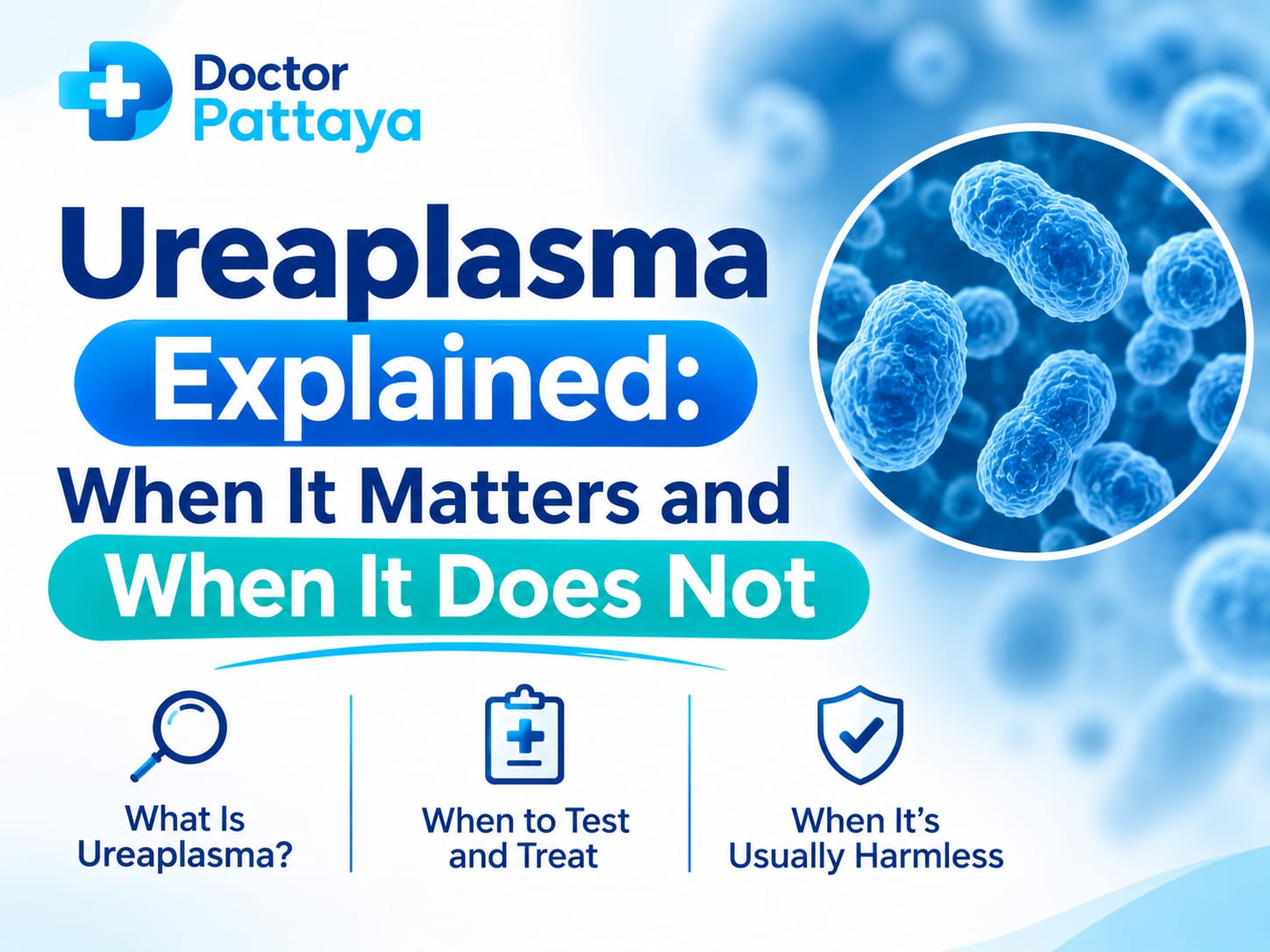
Ureaplasma is a microorganism found in the genital tract of many healthy adults. A positive test result does not automatically mean you need antibiotics. Treatment is recommended when you have symptoms, when other causes have been ruled out, or in specific clinical situations such as pregnancy. If you are unsure what your result means, a doctor can help you decide the right next step.
You got your STI panel back. There is a positive for ureaplasma on the page. No burning, no discharge, nothing that felt off. Just a result and a lot of questions.
The honest answer is: a positive does not automatically mean something is wrong. Ureaplasma sits in a genuinely grey area of sexual health medicine. It lives in the genital tract of a large proportion of sexually active adults without causing any harm. When symptoms are present, the picture changes. Knowing which situation you are in is the whole point of a proper consultation, not just a lab printout.

What Ureaplasma Is, and How It Differs From Mycoplasma
Ureaplasma is a small bacterium that lives in the urogenital tract. It belongs to the same broad family as mycoplasma, which is why the two are often confused. They are different organisms with different clinical behaviour.
Two species show up on a PCR panel: ureaplasma urealyticum and ureaplasma parvum. The distinction matters. Ureaplasma urealyticum has a clearer link to urethritis, the inflammation of the urethra, particularly in men. Ureaplasma parvum is generally considered less likely to cause symptoms and behaves more like a normal resident of the genital tract in most people.
Mycoplasma genitalium is a different story. It is not a normal resident. If it appears on your panel, it almost always warrants treatment, and antibiotic resistance is a real concern with that organism. The two names sound alike, but their clinical weight is not the same.
When a Positive Result Needs Attention, and When It Does Not
A large number of sexually active adults carry ureaplasma without ever knowing it. Finding it on a swab or urine PCR does not by itself confirm an infection or explain your symptoms. Both European STI guidelines and BASHH guidance advise against routine testing or treatment of people with no symptoms.
When ureaplasma does cause problems, symptoms tend to look like non-gonococcal urethritis, which is inflammation of the urethra not caused by gonorrhoea. In men, that means burning when urinating, discharge, or discomfort in the urethra. In women, symptoms can overlap with bacterial vaginosis: unusual discharge, odour, or pelvic discomfort.
If you have symptoms and ureaplasma is found, and other causes such as chlamydia, gonorrhoea, and trichomonas have been ruled out, then ureaplasma becomes a reasonable clinical explanation. That is when ureaplasma treatment makes sense. A positive result with no symptoms and no specific risk factors is a different situation entirely.
Ureaplasma and Fertility, Pregnancy, and Male Reproductive Health
This part matters most if you are pregnant or trying to conceive. High bacterial loads of ureaplasma urealyticum have been associated in some studies with reduced sperm motility, though this remains an area of active research rather than settled science.
In pregnancy, ureaplasma is taken more seriously. There are associations between high-load ureaplasma and preterm labour, infection of the amniotic fluid, and neonatal lung infection in newborns. If you are pregnant and your panel comes back positive, your treating doctor needs to know, even if you have no symptoms. Treatment decisions in pregnancy always involve a clinical consultation.
For men concerned about fertility, a positive result alone is not a reason to panic. It is a reason to talk to a doctor rather than ignore it. Doctor Pattaya can walk through your results and advise based on your full clinical picture.
PCR Testing and What to Expect
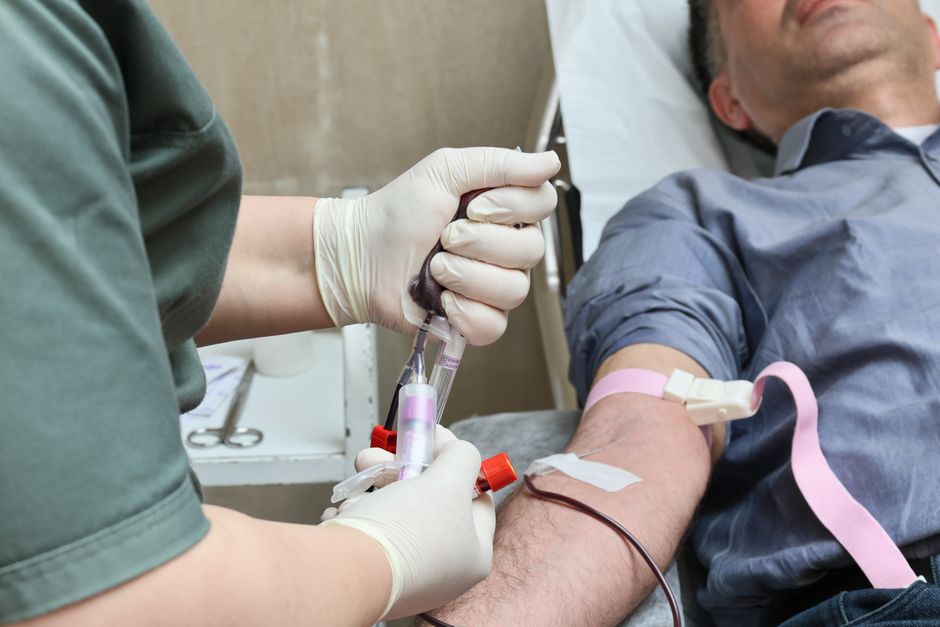
Standard swabs and cultures do not reliably detect ureaplasma. You need a PCR test, which picks up the organism’s genetic material from a urine sample or genital swab. A thorough PCR panel will also specify which species was found, urealyticum or parvum, which gives your doctor more information than a simple positive or negative.
Because ureaplasma rarely travels alone, the same panel should include chlamydia, gonorrhoea, mycoplasma genitalium, and trichomonas. Finding a co-infection changes the clinical picture and the treatment plan. Treating ureaplasma while missing a chlamydia infection alongside it is not useful.
One practical point: if you test positive and are treated, do not retest immediately after finishing antibiotics. Dead bacterial DNA can still amplify on PCR for several weeks after treatment, and you could get a misleading result. If a test of cure is clinically indicated, most guidelines suggest waiting at least four weeks before retesting.
The STI laboratory services at Doctor Pattaya include PCR panels with ureaplasma speciation. Results are reviewed by an English-speaking doctor on-site, and if treatment criteria are met, a prescription can be issued the same visit.
Ureaplasma Treatment: When It Is Recommended and When It May Not Be
Symptoms plus a positive result, with other causes excluded, is the main trigger for treatment. A positive result with no symptoms, in a person with no specific risk factors such as pregnancy or fertility concerns, does not automatically require antibiotics under current BASHH and European guidelines.
When treatment is indicated, doxycycline is the preferred first-line antibiotic for most patients. Doxycycline should not be used in pregnancy; a doctor can advise on suitable alternatives in that situation. People with certain heart conditions should not take moxifloxacin, so always tell your doctor about your medical history before starting treatment. Azithromycin is an alternative, but published data show higher treatment failure rates with azithromycin for ureaplasma urealyticum compared to doxycycline, so the two are not simply interchangeable. If doxycycline fails or is not suitable, moxifloxacin may be considered as a second-line option in some clinical settings, though evidence specific to ureaplasma is limited and that decision requires clinical judgement.
Antibiotic resistance is a genuine concern. If you have already taken a course and symptoms persist, let your doctor know exactly what you were given and for how long. Treatment failure and recolonisation from an untreated partner are the two most common reasons a first course does not fully resolve the problem.
Partner notification matters. If you are being treated, your current partner should be tested. If they are symptomatic or the relationship is ongoing, treating both people at the same time and avoiding sex during the treatment course reduces the chance of reinfection. Doctor Pattaya can assess and treat for STDs for both partners in the same appointment, which is straightforward to arrange even on a short visit.
What Happens at the Clinic
If you are staying near Jomtien or anywhere across South Pattaya and you want a straight answer about a positive result, the process is simple. You come in, give a urine sample or have a swab taken, and the PCR panel runs. An English-speaking doctor reviews your results with you, asks about symptoms, and explains what your result actually means in clinical context.
If treatment is needed, you get a prescription before you leave. If it is not needed, you get a clear explanation of why, what to watch for, and when it would be worth retesting. No unnecessary prescriptions, no vague reassurances.
Walk-ins are welcome around the clock. If you cannot travel to the clinic, a doctor hotel visit can be arranged across Pattaya, Jomtien, and Naklua. If you are due a full panel, comprehensive STD testing in Pattaya is available same day, with results you will actually understand.
Need a straight answer about your result? If you have tested positive for ureaplasma, have symptoms you cannot explain, or want a full STI panel that includes ureaplasma speciation, Doctor Pattaya is open 24 hours a day, seven days a week. Walk in to our South Pattaya clinic or book a hotel visit across Pattaya, Jomtien, and Naklua. Same-day PCR panels, English-speaking doctors, and results reviewed with you in plain language.
Frequently Asked Questions
References
- Horner P, et al. Should we be testing for urogenital Mycoplasma hominis, Ureaplasma parvum and Ureaplasma urealyticum in men and women? A position statement from the European STI Guidelines Editorial Board. Journal of the European Academy of Dermatology and Venereology, 2018.
- BASHH. Summary Guidance on STIs Testing 2023. British Association for Sexual Health and HIV, 2023.
- California Prevention Training Center. FAQ: Ureaplasma Talking Points for Patients. October 2025.
- Liang M, et al. Impact of Ureaplasma urealyticum infection on semen parameters and in vitro fertilization outcomes in infertile men. Frontiers in Endocrinology, November 2024.
The information in this article is for educational purposes only and does not constitute medical advice. It should not be used to self-diagnose or replace a consultation with a qualified physician. If you have concerns about your health, contact a licensed medical professional. For appointments at Doctor Pattaya, visit doctorpattaya.com.

Dr. Pipat Finn is the senior doctor at Doctor Pattaya Takecare Clinic, a 24/7 walk-in medical practice on South Pattaya Road, Chonburi, Thailand. They provide primary care, travel medicine, sexual health, vaccination, minor surgery, IV therapy, and emergency outpatient services for tourists, expatriates, and Pattaya residents. Languages: English and Thai. WhatsApp consultations: +66 95 073 5550. Call: +66 81 668 5557.