Clinically reviewed by Dr. Pipat Finn, M.D., Senior Doctor, Doctor Pattaya.
Last reviewed: November 2026
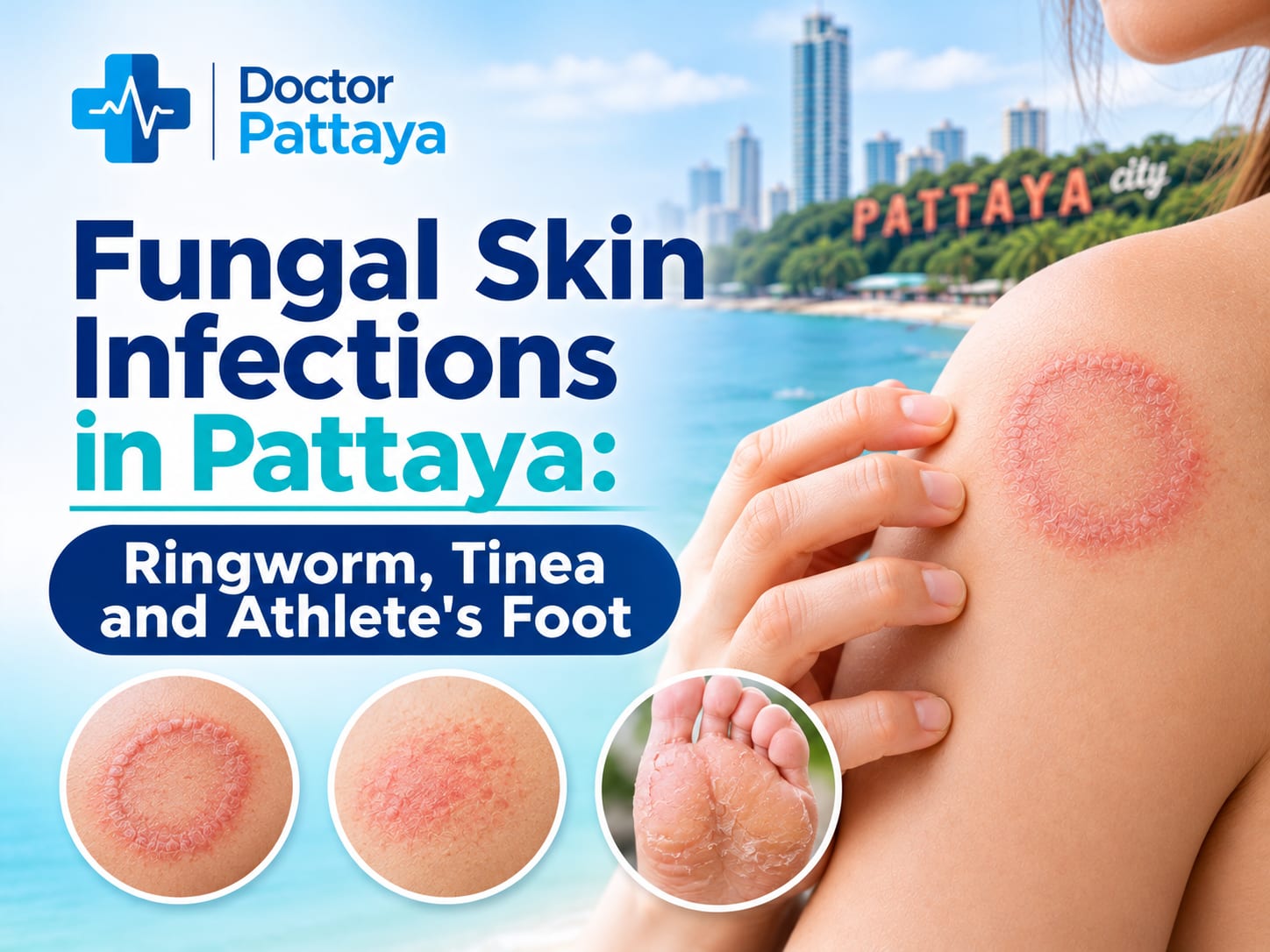
Fungal skin infections thrive in Thailand’s heat and humidity. Ringworm, athlete’s foot, jock itch, and tinea versicolor are all common in Pattaya, especially after beach days, pool time, or long nights out. Most respond well to the right antifungal cream. The trap is reaching for the wrong cream, particularly steroid creams sold freely at Thai pharmacies, which can make a fungal infection significantly worse. If your rash is spreading, changing shape, or not clearing with treatment, see a doctor.
You notice it a few days into your trip. A ring-shaped patch on your arm. Peeling skin between your toes. A red, itchy patch in your groin that will not settle. You are not sure if it is a heat rash, an allergy, or something you picked up at the beach.
Fungal skin infections are among the most frequent skin complaints in tropical climates like Pattaya’s. Hot weather, constant moisture, shared bathrooms, and humid nights create the perfect conditions for fungal skin infections to take hold fast. The good news is that most are straightforward to treat once we know what we are dealing with. The key is getting the right treatment, not just any cream from the nearest pharmacy.
Common Fungal Skin Infections in Thailand’s Climate
Thailand’s heat and humidity are ideal for the fungi responsible for most skin infections. High temperatures, damp skin, and long sweaty days at Jomtien or around the pool are exactly what these organisms need to spread. Monsoon season raises the risk further, since skin stays damp longer and footwear rarely dries overnight.
The most common culprit behind ringworm and athlete’s foot spreads through direct skin contact, shared towels, damp pool edges, and beach sand. You do not need to do anything unusual to pick it up here.
Tinea Versicolor Patches
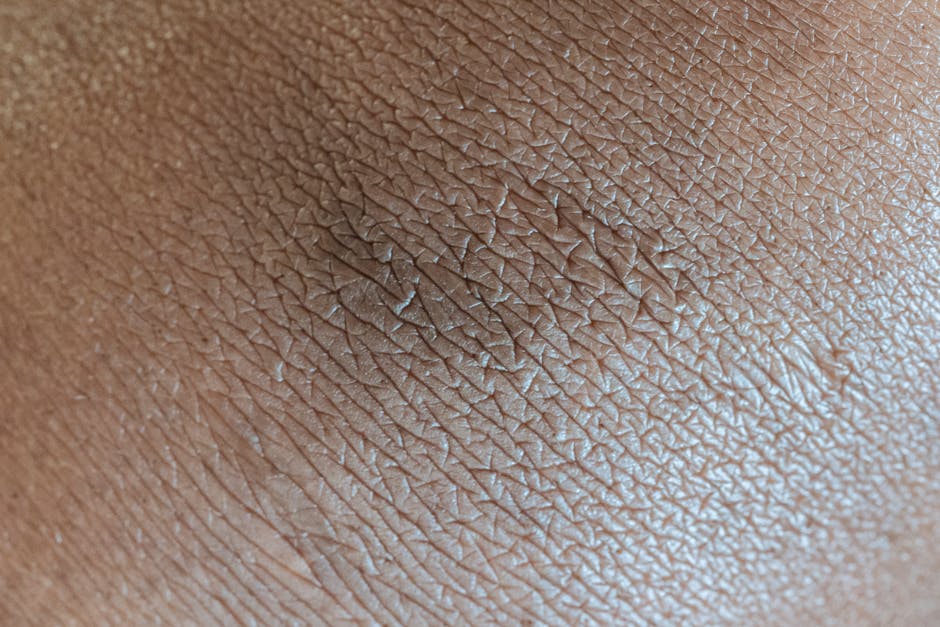
Tinea versicolor is caused by a yeast that lives on everyone’s skin but overgrows in heat and humidity. You will notice it as pale or slightly discoloured patches on your chest, back, or shoulders. On a tan, they show up as lighter spots. On fair skin, they can look faintly pink or brown.
This is not ringworm. It does not cause the classic ring shape, and it carries very low risk of spreading to others. It does overlap visually with a few other conditions, so if you are unsure what you are looking at, get it checked. After treatment, the pigment changes can persist for weeks even when the infection is gone. That is normal skin recovery, not treatment failure.
Jock Itch and Athlete’s Foot
Jock itch is a fungal infection of the groin and inner thighs. Athlete’s foot affects the skin between the toes and on the soles. Both are common in Pattaya’s heat, particularly if you are spending hours in swimwear, walking barefoot around hotel pools, or using shared shower facilities.
Both tend to itch, burn, and flake. Athlete’s foot often makes the skin between the toes look white, soggy, and cracked. Jock itch produces a red, scaly border that spreads outward from the groin. These infections do not resolve on their own in a tropical climate. The warmth and moisture that triggered them will keep feeding them.
Pharmacy Creams Versus Prescription Treatment for Fungal Infections
This is where things go wrong for a lot of visitors. Thai pharmacies sell effective antifungal creams such as clotrimazole, ketoconazole, and terbinafine over the counter. These are legitimate treatments and they work well on early, uncomplicated infections.
The problem is that the same pharmacies also sell potent steroid creams, including products containing betamethasone or clobetasol, without a prescription. Steroid creams reduce inflammation and itch. Apply one to a fungal rash and you will feel better quickly. The itch calms, the redness fades. But the fungus is still there, still spreading, now hidden under suppressed inflammation. This is called tinea incognito, and it makes the infection significantly harder to treat. The rash often returns larger, less defined, and no longer responding to basic antifungal cream.
If the cream you bought at a Pattaya pharmacy has betamethasone, clobetasol, or any corticosteroid listed on the packaging, it is not an antifungal. Stop using it and come in.
One more thing worth knowing: an emerging strain called Trichophyton indotineae, flagged by the CDC and documented across Asia, has shown resistance to terbinafine, the active ingredient in many over-the-counter antifungal creams. If your infection is not clearing with standard treatment, this may be why. It does not mean treatment is impossible, but it does mean a prescription-level assessment is needed.
At Doctor Pattaya, we examine the skin directly. Where useful, we can use a Wood’s lamp, an ultraviolet light that makes certain fungal infections fluoresce, to help confirm what we are dealing with. For persistent or unclear cases, a skin scrape gives a definitive answer. Most patients walk out with the right prescription in a single visit. Oral antifungals such as itraconazole or terbinafine are available on prescription for infections that are widespread, recurrent, or not responding to creams. These are not suitable for everyone. Terbinafine should be avoided in people with active or chronic liver disease. Itraconazole is contraindicated in people with heart failure and interacts with a wide range of other medicines. If you are starting a longer oral course, we may check your liver function first.
If the rash is spreading fast, the skin looks broken or weeping, or you have a fever alongside it, that changes things. Those signs can point to a secondary bacterial infection such as cellulitis developing on top of the fungal one, and that needs prompt assessment.

Preventing Fungal Infections from Coming Back
A course of antifungal treatment clears the infection. What happens next depends on how you manage moisture and skin exposure.
Change out of wet swimwear promptly. Dry your skin thoroughly after every shower, especially between the toes and in skin folds. Use a separate towel for infected areas, or wash towels frequently. Wear sandals in communal showers, around hotel pools, and on beach paths where foot traffic is high. For jock itch, loose, breathable underwear makes a real difference in this climate.
For people with tinea versicolor who get repeated flare-ups, a doctor can discuss antifungal prophylaxis, a periodic preventive treatment used during high-risk months. This is not needed after a first episode, but long-term Pattaya residents or frequent visitors who keep getting it back have that option.
If recurrent skin infections are part of a broader pattern, a check for underlying conditions such as diabetes or immune issues is worth considering. Our travel health page has more on managing skin conditions in Thailand’s climate. For anyone staying near Jomtien, a doctor in Jomtien Beach, Pattaya is available any time. If getting to a clinic is not easy, a doctor hotel visit in Pattaya brings the consultation directly to your room.
Got a rash that is spreading, itching, or not clearing with pharmacy cream? Doctor Pattaya is open 24 hours a day, every day, with no appointment needed. We see skin infections across Pattaya, Jomtien, and Pratumnak, and can diagnose and treat most fungal infections in a single visit. Walk in any time, or book a hotel visit if you would rather not travel. Same-day prescriptions available.
Frequently Asked Questions
References
- Centers for Disease Control and Prevention. The Rise of Resistant Ringworm: Genomic Sequencing Confirms the First Two Reported U.S. Cases of Trichophyton indotineae. CDC; 2023.
- Terbinafine. In: StatPearls Internet. Treasure Island (FL): StatPearls Publishing; 2024.
- CDC. Terbinafine-resistant Trichophyton indotineae. MMWR Morb Mortal Wkly Rep. 2023;72(19):524-527.
The information in this article is for educational purposes only and does not constitute medical advice. It should not be used to self-diagnose or replace a consultation with a qualified physician. If you have concerns about your health, contact a licensed medical professional. For appointments at Doctor Pattaya, visit doctorpattaya.com.

Dr. Pipat Finn is the senior doctor at Doctor Pattaya Takecare Clinic, a 24/7 walk-in medical practice on South Pattaya Road, Chonburi, Thailand. They provide primary care, travel medicine, sexual health, vaccination, minor surgery, IV therapy, and emergency outpatient services for tourists, expatriates, and Pattaya residents. Languages: English and Thai. WhatsApp consultations: +66 95 073 5550. Call: +66 81 668 5557.