Clinically reviewed by Dr. Pipat Finn, M.D., Senior Doctor, Doctor Pattaya.
Last reviewed: November 2026
Insulin can degrade in Thailand’s heat faster than most travellers expect. Keep in-use pens and vials below 30°C, never in checked luggage, and always in a FRIO wallet or cool bag during the day. If you run out or your insulin spoils, a private clinic in Pattaya can assess you and issue a local prescription the same day.
You planned this trip for months. You packed your insulin, your pen needles, your glucometer strips. Then you landed in Pattaya, stepped outside, and the heat hit you like a wall. It is 35°C, the air is thick, and your insulin has been in your bag for the last three hours.
That moment is exactly when it pays to have thought this through beforehand.
Managing diabetes in Thailand is entirely doable. Plenty of people with insulin-dependent diabetes travel here every year without serious problems. But Pattaya is not London or Amsterdam. The heat is real, it matters for your medication, and a few simple steps before you leave home will keep things on track. This guide covers storage, flights, hypo risks in the heat, and what to do if something goes wrong while you are here.
Before You Fly: What to Pack and Prepare
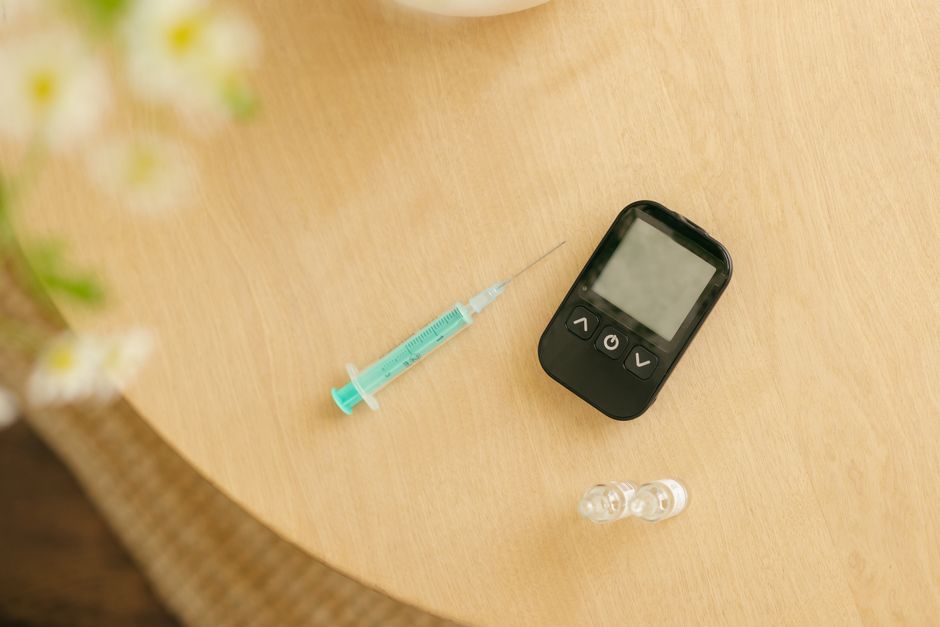
Sort out a doctor’s travel letter before you leave. It should list your diagnosis, your insulin types and doses, any other medications, your pen needles or syringes, and any devices like a pump or CGM sensor. Keep it with your passport, not buried in a suitcase.
Bring at least double your expected supply. Flights get delayed. Luggage goes missing. Insulin available in Thailand may not match the brand you use at home. Pack everything you need for the trip plus a full backup in your carry-on bag.
Check your travel insurance before you board. Some policies exclude pre-existing conditions or cap medication costs abroad. Confirm that diabetes-related care, emergency prescriptions, and clinic visits are covered.
Keeping Insulin Cool in Pattaya’s Climate
Most insulins, once opened, should stay below 25 to 30°C. Pattaya regularly sits at 32 to 36°C outdoors and can be warmer in direct sun. That is enough to cause degradation, where the insulin’s protein structure breaks down and it stops working properly.
A FRIO evaporative cooling wallet is the most practical solution for daily use here. Soak it in water for a few minutes and it keeps your insulin within a safe temperature range for hours without electricity. It works on Jomtien beach, by the pool, or on a long Grab ride across town. Check the manufacturer’s instructions for your specific wallet model, as activation times and duration vary.
Your hotel room matters too. Air conditioning set to energy-saving mode, or switched off while you are out, can let the room climb well above a safe storage temperature. Keep backup vials in the hotel minibar fridge, away from the freezer compartment. Frozen insulin is permanently damaged and cannot be used. If there is a power outage, check the fridge temperature before using anything stored in it.
If you use an insulin pump or CGM sensor, Pattaya’s humidity adds another variable. Sweat can loosen infusion site adhesive and affect where insulin deposits under the skin. Use a skin-barrier wipe or medical tape to reinforce adhesion. CGM sensors can read slightly inaccurate in extreme heat, so cross-check with a fingerstick if a reading seems off.
Insulin Travel Thailand: Flights and Airport Tips
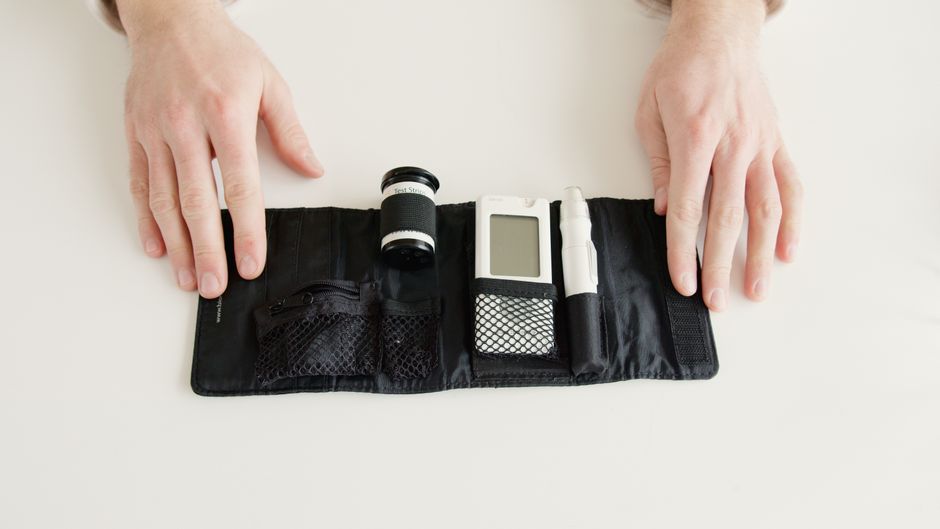
Always carry your insulin in your carry-on luggage. The hold of an aircraft can reach freezing temperatures, which will permanently damage insulin. This is not negotiable.
At airport security, declare your insulin, pens, needles, and any pump or CGM equipment before the scan. Your doctor’s letter helps here and speeds things up. Thailand permits personal insulin supplies for travellers, so customs on arrival is rarely an issue when items are in original packaging with your documentation.
Time zones need a little thought, especially if you use a long-acting basal insulin. If you are making a significant time shift, the gap between your basal doses can stretch or compress. Contact your diabetes team at home before you travel and get specific guidance for your regimen and direction of travel. There is no single formula that works for everyone. For rapid-acting insulin taken with meals, follow your food: inject when you eat, adjust for local meal timing, and check your blood glucose more often for the first day or two.
Hypos in Heat and After a Night Out
Heat speeds up insulin absorption from the injection site. The same dose you inject on a cool morning at home can act faster and harder after a couple of hours on Jomtien beach or by an outdoor pool in Pratumnak. This is behind many unexplained hypos on a first full day in Thailand. Test more often. Keep fast-acting glucose within reach at all times, not at the bottom of your beach bag.
Alcohol adds another layer. It can lower blood glucose for hours after drinking, especially if you have eaten less than usual. Combine a beach afternoon, a couple of drinks near Walking Street, and a delayed meal, and the risk stacks up quickly. Tell someone you are with that you have diabetes and show them what a hypo looks like. Wear a medical ID.
If you are vomiting from illness, food poisoning after a beach dinner, or anything else, your sick-day rules apply. Do not stop basal insulin. Test frequently. Dehydration on top of illness can push glucose in both directions. If you cannot keep fluids down and your levels are not stable, come in and get assessed. Doctor Pattaya is open around the clock and can help with IV fluids, glucose monitoring, and clinical review without an appointment.
Getting Insulin Supplies Locally
If you run out or your insulin spoils, Pattaya has options. Many community pharmacies stock common insulins including Humulin R, Humulin N, and NovoRapid. Some dispense without a prescription; others require one. Hospital pharmacies almost always require a local prescription.
Brand names are not always the same here. NovoRapid is the same insulin as NovoLog, sold under a different name in this region. Lantus availability varies by pharmacy. If a pharmacist shows you an insulin you do not recognise, check with a doctor before assuming it is equivalent.
Insulin strength is the critical point. Most insulin sold in Thailand is U-100, the same as most Western countries. U-40 insulin does still appear in some rural pharmacies and older stock. U-40 is a different concentration. Using U-40 insulin with a U-100 syringe, or the reverse, will give you the wrong dose and can cause serious harm. Check the label before you buy anything.
If you need a local prescription, Doctor Pattaya can review your situation and issue one the same day. Walk in with no appointment needed. The clinic is in South Pattaya and also covers hotel visits across Jomtien, Naklua, and the surrounding area. For pre-travel advice before your next trip, our travel health service covers insulin storage and other preparation questions in more detail. If you are staying near the beach and need a doctor close by, we also have a doctor in Jomtien Beach and can arrange a hotel visit anywhere across Pattaya if you would rather not travel.
Need help with insulin in Pattaya? Whether your supply has run out, your insulin looks suspect, or you need a local prescription, Doctor Pattaya is open 24 hours a day, every day of the year. No appointment needed. Walk in at our South Pattaya clinic or request a hotel visit anywhere across Pattaya, Jomtien, or Naklua. We can also help with glucose monitoring, IV fluids for dehydration, and same-day clinical assessment if your blood sugar is unstable.
Frequently Asked Questions
References
- World Health Organization. WHO Model List of Essential Medicines, 23rd edition. WHO, 2023.
- Petrofsky JS, et al. The effect of heat, cold, and transcutaneous electrical nerve stimulation on the blood flow to the skin in the human lower extremity. Medical Science Monitor, 2007. Heat and subcutaneous blood flow relevant to insulin absorption
- Insulin aspart (NovoRapid). European Medicines Agency EPAR summary. EMA, 2023.
The information in this article is for educational purposes only and does not constitute medical advice. It should not be used to self-diagnose or replace a consultation with a qualified physician. If you have concerns about your health, contact a licensed medical professional. For appointments at Doctor Pattaya, visit doctorpattaya.com.

Dr. Pipat Finn is the senior doctor at Doctor Pattaya Takecare Clinic, a 24/7 walk-in medical practice on South Pattaya Road, Chonburi, Thailand. They provide primary care, travel medicine, sexual health, vaccination, minor surgery, IV therapy, and emergency outpatient services for tourists, expatriates, and Pattaya residents. Languages: English and Thai. WhatsApp consultations: +66 95 073 5550. Call: +66 81 668 5557.