Clinically reviewed by Dr. Pipat Finn, M.D., Senior Doctor, Doctor Pattaya.
Last reviewed: November 2026
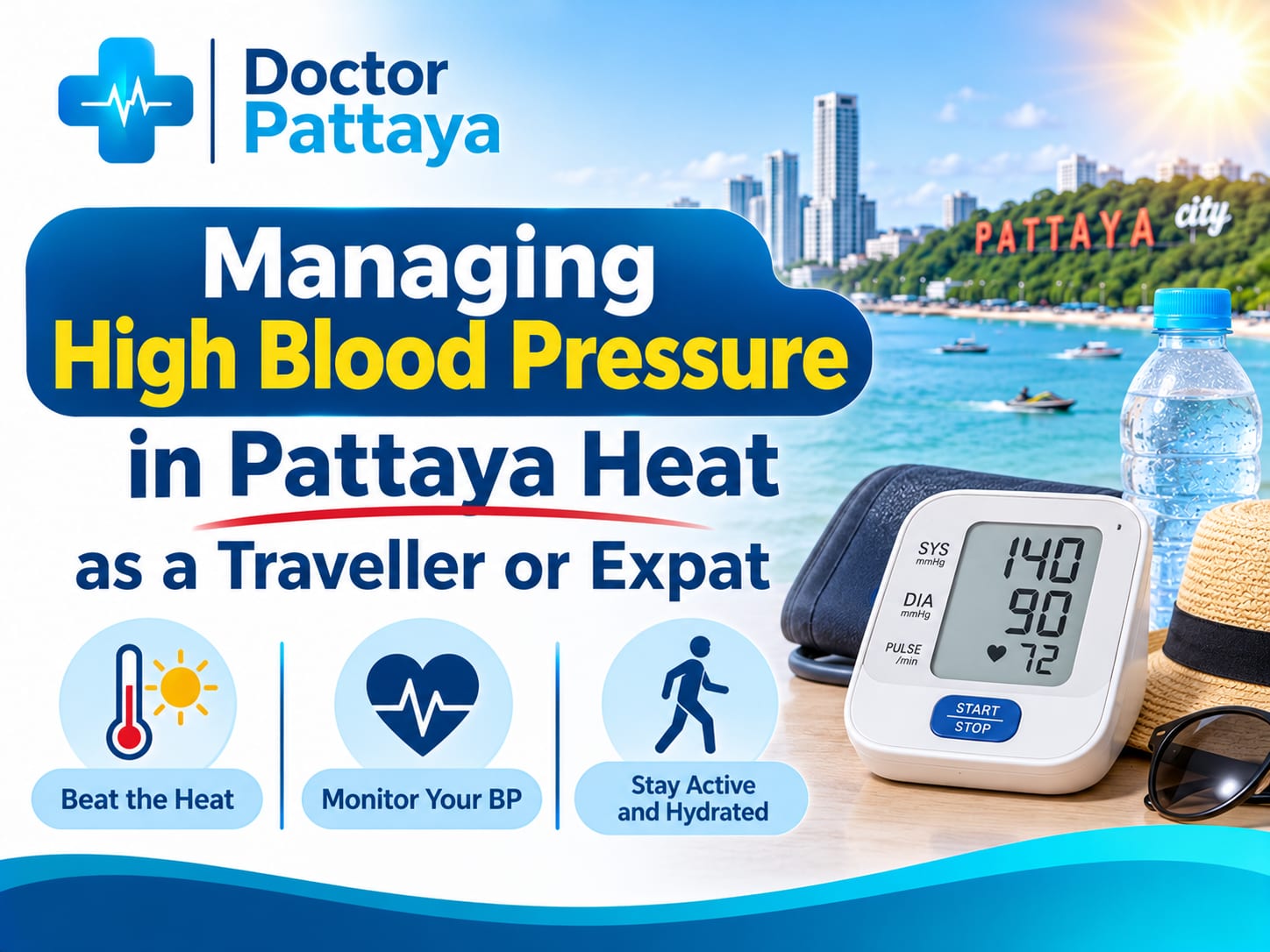
Hot weather causes your blood vessels to widen, which can lower blood pressure and make antihypertensive medication stronger than usual. Dehydration and alcohol push things further. If you are on blood pressure tablets and spending time in Pattaya’s heat, your readings and your symptoms both need watching. A same-day blood pressure review is available at Doctor Pattaya, 24 hours a day, with no appointment needed.
You packed your tablets, you are three days into the trip, and something feels off. Maybe you stood up from the pool too fast and the world tilted. Maybe your reading in the hotel bathroom came back higher than it ever does at home. This happens to travellers and long-term expats in Pattaya regularly, and it is usually manageable once you know what the heat is actually doing.
High blood pressure does not announce itself loudly. What the heat does is shift the balance. It can drop your pressure too low if your medication is working harder than it should. It can also push pressure up if you are dehydrated and your kidneys are holding on to salt. Neither situation is something to sit with quietly on a sunlounger. A quick clinical review sorts out which one you are dealing with.
How Heat, Alcohol and Dehydration Affect High Blood Pressure in Hot Weather
Pattaya sits at high humidity year-round, with relative humidity typically ranging from around 65 to 80 percent depending on the season, and temperatures regularly in the mid-to-upper 20s and low 30s Celsius. That combination matters clinically. When your body gets hot, your blood vessels widen. This lowers your blood pressure. If you are already on antihypertensives, the same medication that kept you stable at home can now push your pressure lower than intended.
Alcohol adds another layer. It also widens blood vessels and makes you urinate more, so you lose fluid faster. A few drinks on a warm Pattaya night, without enough water, sets up a situation where your blood pressure can drop sharply when you stand up. This is called postural hypotension, and it is a common reason people feel unsteady or briefly faint after a night out.
Dehydration is the third piece. When you are short on fluid, your kidneys retain sodium to compensate, and blood pressure can rise. So dehydration can go either way depending on where you are in the cycle. Electrolyte imbalance, especially low potassium or sodium, can compound this further, particularly if you are on diuretics.
Getting a Reliable Reading in a Hotel or Clinic
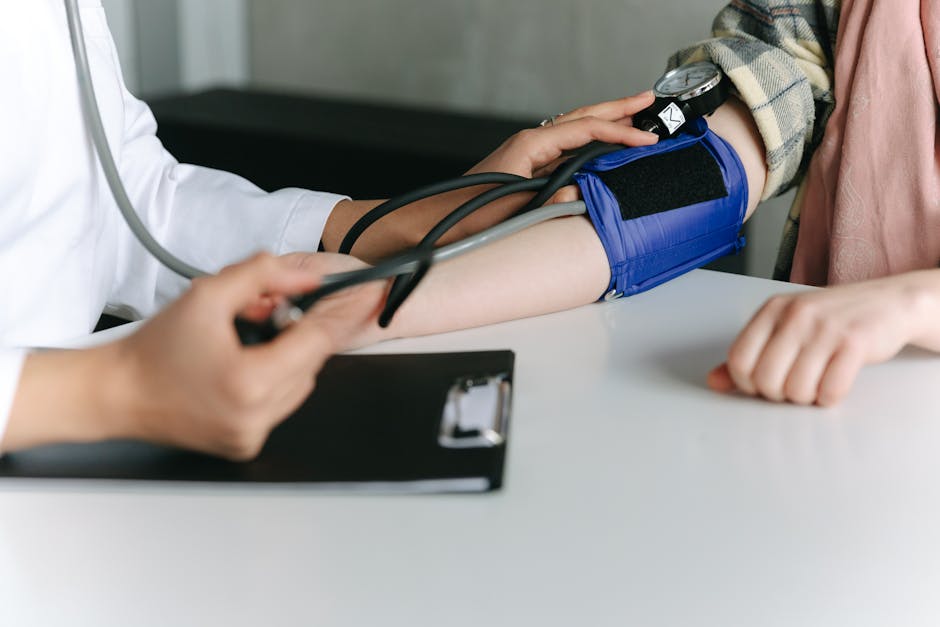
A lot of tourists get a frightening number on a hotel-room monitor and start Googling. Before anything else, consider the conditions. Did you just walk in from 35-degree heat? Did you have two coffees and a stressful check-in? Heat, exertion, caffeine, and anxiety all push readings up temporarily.
For a reading you can trust, rest in a cool room for at least five minutes first. Sit with your back supported, feet flat on the floor, arm at heart level. Take two readings at least two minutes apart and use the second one. A single reading above 160/100 in a hot hotel room is not automatically a crisis. If three separate readings over 24 hours stay at that level, or if you have symptoms alongside it, that warrants assessment.
Doctor Pattaya’s clinic in South Pattaya can take a resting reading in a controlled environment and compare it against your usual baseline from home. If getting to the clinic is not straightforward, a hotel visit is available across Pattaya, Jomtien, and Naklua.

Managing Your Tablets in a Hot Climate
Timing, Missed Doses and When Vomiting Is a Problem
Most blood pressure tablets, including calcium channel blockers like amlodipine, ACE inhibitors, ARBs like losartan, and beta blockers like bisoprolol, are meant to be stored at controlled room temperature, typically between 15 and 30 degrees Celsius. A hot hotel safe, a car glove box, or a bag left in direct sun can degrade tablets over time. Keep them in a cool dry drawer, away from air-con vents and direct light.
Do not store your tablets in the minibar fridge unless your medication is specifically labelled to require refrigeration. Cold cycling in a hotel fridge causes condensation inside blister packs, which can damage tablets.
Timing matters more in the heat. Some antihypertensives taken at night cause less morning dizziness, particularly if you are prone to low pressure on standing. If you are unsure whether to shift the timing, check with a doctor first. Do not skip a dose because you feel unwell, and do not double up without advice.
Vomiting changes things. If you were sick within roughly an hour of taking your tablet, the dose likely did not absorb. Re-dosing without guidance, particularly ACE inhibitors, ARBs, and diuretics, carries real risk. Vomiting also causes fluid and electrolyte loss that can shift blood pressure in both directions. If you have been vomiting from food poisoning after a beach dinner or a rough night out and you are unsure about your morning dose, get advice before guessing. For anything food-related, diarrhea and food poisoning treatment in Pattaya is available at the same clinic.
On pharmacy rules in Thailand: most antihypertensives technically require a prescription. Some pharmacies in Pattaya will dispense common tablets without one, but the brand, strength, or formulation may differ from what you take at home. A brief clinic consultation confirms the right drug and dose, checks for interactions, and produces a written note for the pharmacy, usually within the same visit.
Warning Signs You Should Not Ignore
There are three distinct situations to separate here, and they can feel similar on the surface.
The first is medication-driven low blood pressure. Symptoms include lightheadedness when you stand up, feeling faint, cold or clammy skin, and a weak rapid pulse. This is more likely after alcohol, a hot day at Jomtien or Pratumnak, or if you have recently increased your dose. Sit or lie down, drink water slowly, and get assessed. If you are unsure whether this is heat, your medication, or something else, a doctor near Pratumnak Hill is close by.
The second is a blood pressure spike from dehydration or missed medication. Symptoms are often absent entirely, which is what makes high blood pressure risky in the first place. A bad headache at the back of the head, visual changes, or chest discomfort alongside a high reading are reasons to be seen urgently.
The third is a hypertensive emergency, where blood pressure is severely elevated with neurological symptoms such as confusion, speech difficulty, weakness on one side, or severe chest pain. This is a true emergency. Call an ambulance or go to the nearest emergency facility immediately. Do not drive yourself.
Tests That Often Go With a Blood Pressure Review
A blood pressure reading on its own tells you the number. It does not tell you why it has changed. For someone with high blood pressure in hot weather, particularly someone on medication, there are a few things worth checking at the same time.
A renal function blood test shows how well your kidneys are working and checks electrolyte levels, sodium, potassium, and creatinine. This matters because several antihypertensives work through the kidneys, and dehydration places extra load on them. A full blood count and urine check round out the picture if there is any concern about infection or fluid loss.
A fasting blood glucose and cholesterol panel is worth adding if you have not had one in the past year. Cardiovascular risk does not exist in isolation, and a Pattaya visit is a reasonable prompt to run a basic check. Results for most routine blood tests come back the same day or the next morning. If you are based in the north of town, a doctor in Naklua can arrange the same tests without you having to travel far.
If your blood pressure reading has concerned you, your medication feels like it is behaving differently in the heat, or you are not sure whether you need to be seen, Doctor Pattaya is open 24 hours a day in South Pattaya. Walk in without an appointment, or book a hotel visit anywhere across Pattaya, Jomtien, or Naklua. We can take a resting blood pressure reading, run same-day blood tests, check your current medication, and sort out a pharmacy note if you need a refill. No fuss, no long wait.
Frequently Asked Questions
References
- DailyMed. Amlodipine Besylate Tablet. U.S. National Library of Medicine.
- Therapeutic Research Center. Whether patients should repeat a dose if they vomit after taking an oral medication. Pharmacist’s Letter, 2009.
- News Medical. What happens to blood pressure during extreme heat? A 4.2 million-visit study offers a clue. 2026.
- Time and Date. Climate and Monthly Weather Forecast, Pattaya, Thailand.
- Therapeutic Research Center. Which drugs need to be tapered to avoid withdrawal or rebound symptoms. Prescriber’s Letter, 2008.
- Champion Traveler. Best Time to Visit Pattaya, Thailand (Based on Weather). NOAA data.
The information in this article is for educational purposes only and does not constitute medical advice. It should not be used to self-diagnose or replace a consultation with a qualified physician. If you have concerns about your health, contact a licensed medical professional. For appointments at Doctor Pattaya, visit doctorpattaya.com.

Dr. Pipat Finn is the senior doctor at Doctor Pattaya Takecare Clinic, a 24/7 walk-in medical practice on South Pattaya Road, Chonburi, Thailand. They provide primary care, travel medicine, sexual health, vaccination, minor surgery, IV therapy, and emergency outpatient services for tourists, expatriates, and Pattaya residents. Languages: English and Thai. WhatsApp consultations: +66 95 073 5550. Call: +66 81 668 5557.